How to Prepare Your Roof Before Hurricane Season: A Titusville Guide to Hurricane Roof Preparation in Florida
Key Takeaways
- Start before June. Inspections and repairs get backlogged the moment a storm is in the forecast, so aim for a professional look in March, April, or May.
- The three real threats are wind uplift, driving rain forced under your covering, and flying debris. Each has a fix you can handle before the season.
- Salt air off the Atlantic and the Indian River corrodes fasteners, flashing, and staples, so coastal Titusville roofs age faster than inland ones.
- Photograph and document your roof now. Clean before-photos are one of your strongest tools if you later need to file an insurance claim.
- A wind mitigation inspection can lower the windstorm part of your premium, and Florida grant money exists to help pay for storm upgrades.
How to Prepare Your Roof Before Hurricane Season: A Titusville Guide to Hurricane Roof Preparation in Florida
Hurricane season on the Space Coast runs June 1 through November 30, and the peak lands hard in August and September. If you own a home in Titusville, you already know the drill. The sky turns green, the wind picks up off the Indian River, and you find yourself watching the cone on the news. The best time to think about your roof is not then. It is now, in the calm stretch before a storm has a name.
Good hurricane roof preparation in Florida is not complicated, but it does reward people who start early. A roof that is tight, sealed, and documented has a much better shot at getting your family through a storm without water pouring through the ceiling. Below is a practical, local plan built for Brevard County homes, plus what to do the week a storm is actually coming.
Key takeaways
- Start before June. Inspections and repairs get backlogged fast once a storm is in the forecast, so aim for a professional look at your roof in March, April, or May.
- The three real threats are wind uplift, driving rain pushed under your covering, and flying debris. Each one has a fix you can handle before the season.
- Salt air off the Atlantic and the river quietly corrodes fasteners, flashing, and staples. Coastal Titusville roofs age differently than inland ones.
- Photograph and document your roof now. Clean before-photos are one of the strongest tools you have if you need to file an insurance claim later.
- A wind mitigation inspection can lower the windstorm part of your premium, and Florida grant money exists to help pay for upgrades.
Why Titusville roofs need their own plan
A roof in Titusville does not weather the same way one in Orlando does. We are close enough to the Atlantic and sit right on the Indian River, so salt in the air is constant. Salt is patient. It works into nail heads, flashing seams, and the staples holding your underlayment down. Years before a shingle looks bad from the ground, the fasteners underneath can already be giving up their grip. That matters in a hurricane, because uplift finds the weakest fastener first.
Add relentless UV, afternoon summer storms, and the humidity that keeps everything a little damp, and you have a climate that ages roofs quickly. This is why a roof that "looked fine last year" can still fail. The failure usually starts at the edges, the penetrations, and the fasteners, all of which are hard to judge from the driveway.
The three things a hurricane does to a roof
Every piece of prep on this list comes back to one of three forces.
Uplift. High wind does not push a roof down. It lifts it. Air moving over the roof creates suction, and once wind gets under a lifted shingle or a loose edge, it peels the covering back like a lid. Anything already loose is the starting point.
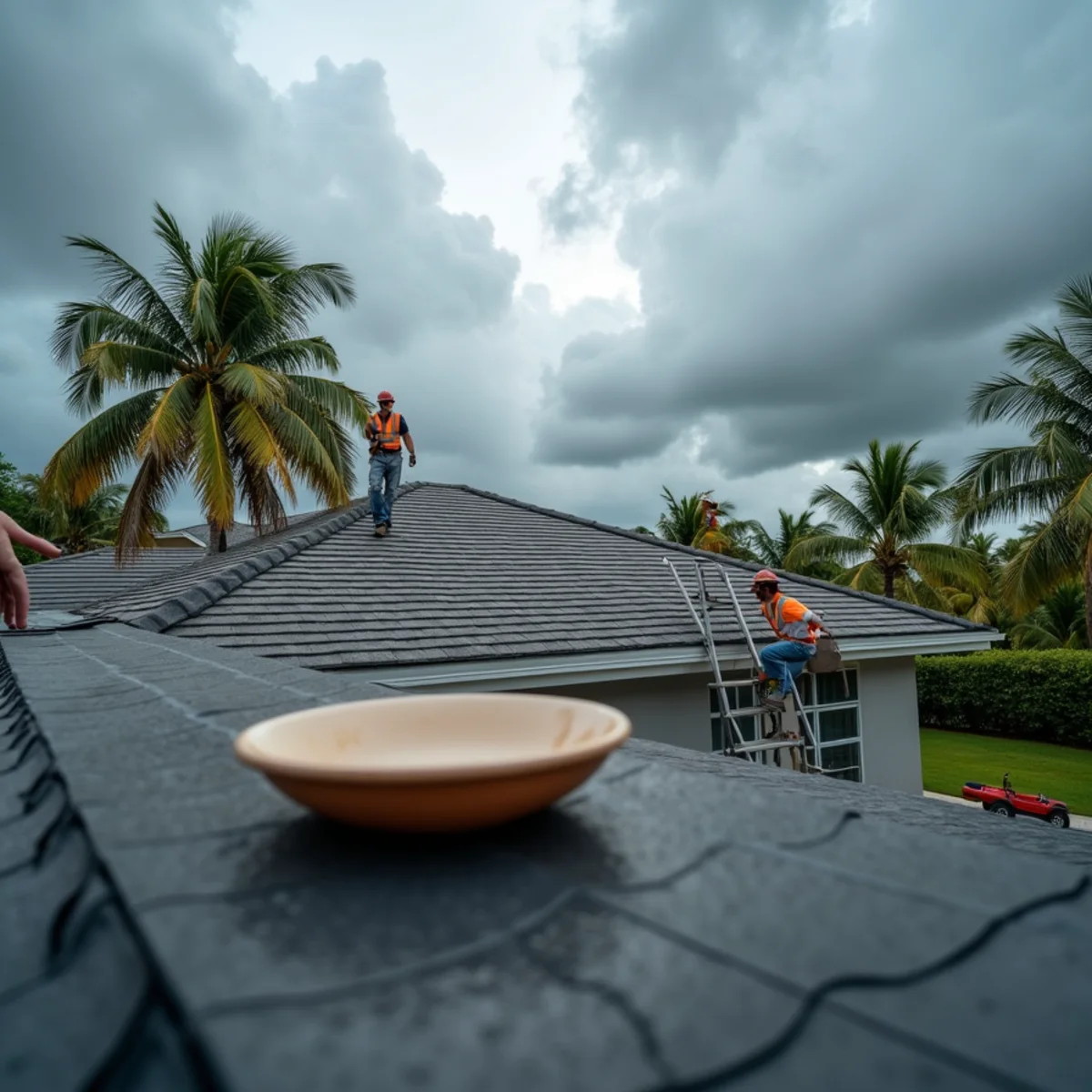
Water intrusion. Hurricane rain does not fall straight down. It gets driven sideways at 100-plus miles an hour and forced up under shingles, around vents, and through any gap in the flashing. A roof can lose zero shingles and still let gallons of water into your attic through failed seals.
Impact. A branch, a neighbor's shingle, a piece of somebody's screen enclosure. Airborne debris punches holes, and once the covering is broken, water follows.
Keep those three in mind and the checklist below makes sense.
Your pre-season roof checklist
Work through this in spring, well before the first cone shows up.
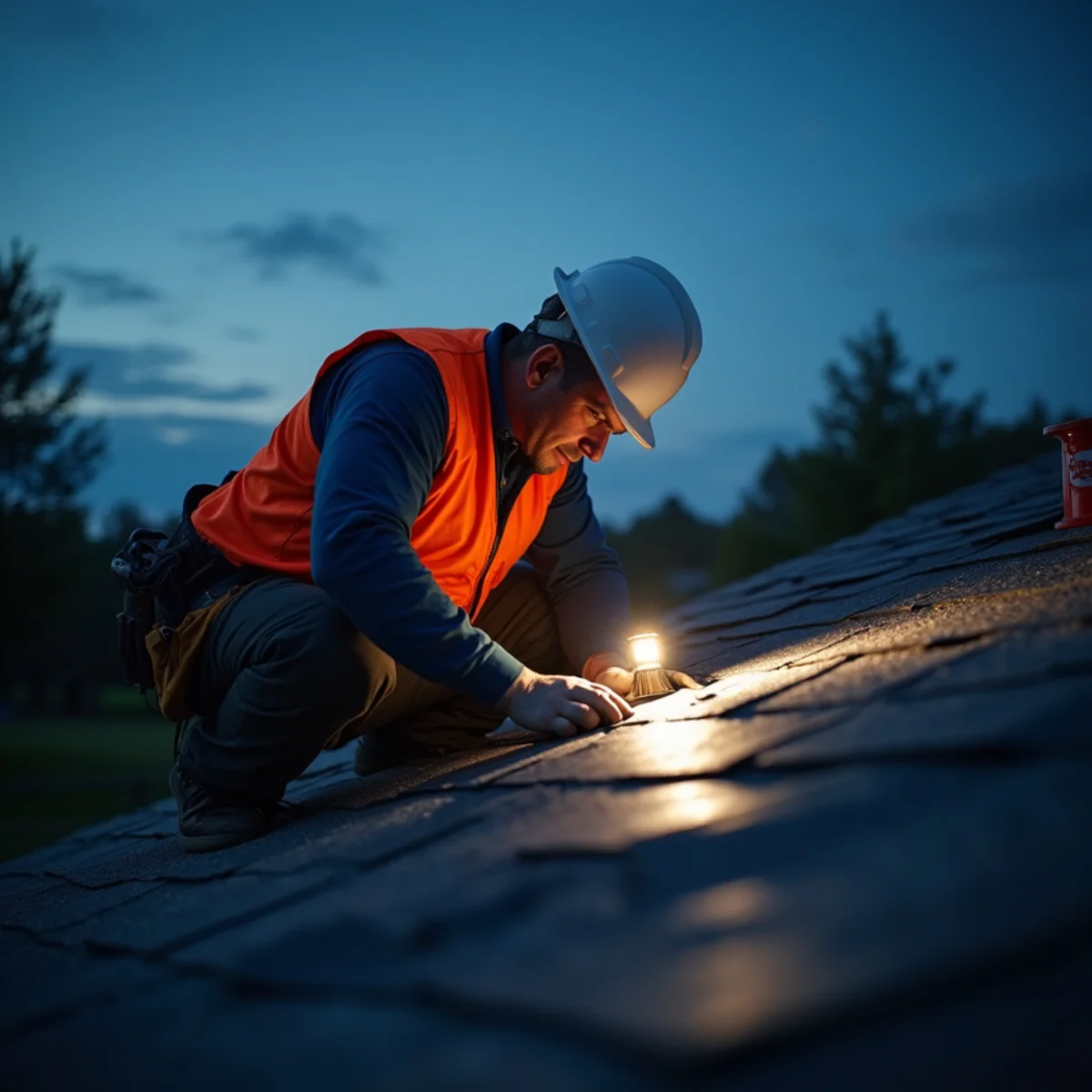
Get a professional inspection. This is the single most useful thing you can do. From the ground you cannot see soft decking, corroded fasteners, lifted flashing, or worn sealant at the pipe boots. A trained eye can, and can tell you what actually needs fixing versus what can wait. Book a roof inspection early. By the time a storm is 72 hours out, every reputable crew in Brevard County is booked solid.
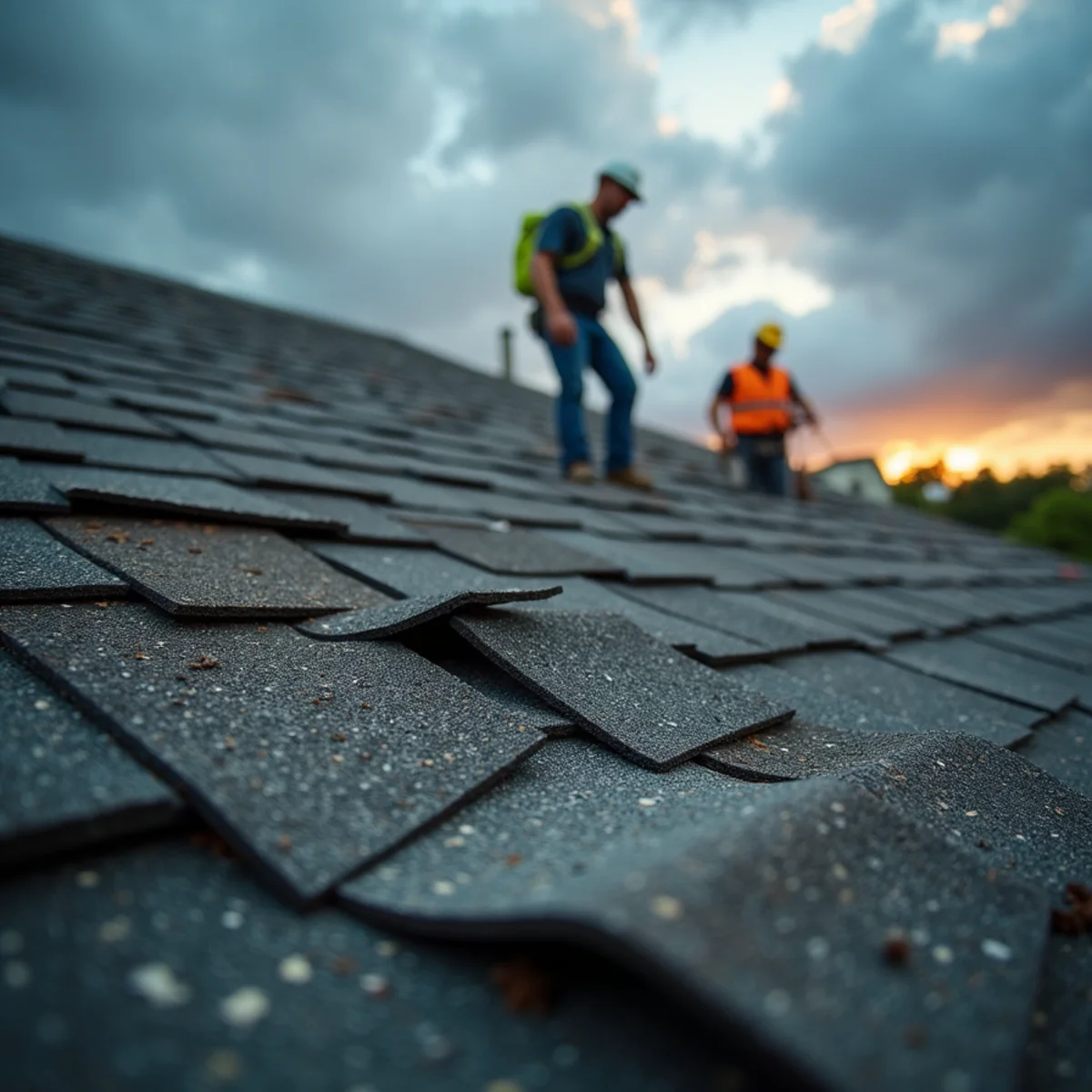
Fix loose and damaged shingles. Missing, curled, cracked, or lifted shingles are the seams a hurricane pries open. Replacing a handful now is cheap. Letting them go is how you end up needing a tarp at 2 a.m. If several areas are worn, straightforward roof repair now beats emergency work later.
Reseal and check the flashing. Flashing is the metal that waterproofs the joints, around chimneys, vents, skylights, and where the roof meets a wall. It is the most common place water gets in during a storm, and coastal salt eats it. Cracked or lifted flashing needs flashing repair before the season, not after.
Clean the gutters and check drainage. A hurricane dumps rain faster than a clogged gutter can move it. Water backs up, pools against the edge, and works under the roofline. Clear gutters and downspouts, and make sure they are still fastened to the fascia. Our gutter cleaning crew handles this fast, and it is worth doing every spring here.
Trim the trees. Overhanging limbs are two problems at once. In normal weather they drop debris that dams up your valleys. In a hurricane they become battering rams. Cut branches back six to ten feet from the roof.
Look at the soffit and fascia. Wind attacks the edges of your roof first, and your soffit and fascia are the front line. Rotted or loose sections give wind a way in under the whole roof deck. If yours are soft or pulling away, get soffit and fascia repair done now.
Check attic ventilation. Vents that are damaged or poorly sealed let driving rain straight into the attic. Damaged ridge vents and turbines are also easy uplift points. A quick look at your roof ventilation closes a gap most homeowners never think about.
Reinforcing the roof, beyond a quick fix
Some upgrades go deeper than maintenance and genuinely change how your roof performs in a storm.
Roof-to-wall connections. Older homes often rely on nails alone to hold the roof to the walls. Hurricane clips and straps are metal connectors that tie the roof framing to the wall structure so the whole thing moves as one piece. Homes built to newer Florida code usually have these. Many older Titusville homes do not, and it is one of the biggest factors in whether a roof stays on.
Sealed roof deck and secondary water barrier. When your covering comes off, the last thing standing between the storm and your living room is the deck and its underlayment. A sealed or taped deck, or a peel-and-stick secondary water barrier, keeps water out even if shingles are gone. This is one of the highest-value upgrades you can make, and it usually gets added during a re-roof.
Material choice, if you are replacing anyway. If your roof is near the end of its life, the storm math favors an upgrade. Metal roofing carries the highest wind ratings and stands up well to coastal air, so metal roofing is popular on the Space Coast. Architectural shingles are rated for far higher wind loads than old three-tab, so a modern asphalt shingle roofing system is a real step up if that is your material. If your roof is past saving, a full roof replacement before the season is the strongest position you can be in.
Wind mitigation and the insurance side
Here is where a lot of Florida homeowners leave money and protection on the table. A wind mitigation inspection documents the storm-resistant features your home already has: roof shape, deck attachment, roof-to-wall connections, and secondary water barrier. Insurers use that report to lower the windstorm portion of your premium, and the wind mitigation credit can be significant. If you have never had one, a wind mitigation inspection often pays for itself many times over.
A few Brevard-specific notes for 2026. Florida moved to an updated wind mitigation form this spring, with stricter documentation of roof covering, deck attachment, and roof-to-wall connections, and insurers began applying credits under it in the summer. That means the details a good roofer builds into your repair or replacement now, sealed deck, proper nailing pattern, solid connections, are the same details that earn you a discount. Florida's My Safe Florida Home program has also offered grant funding toward wind upgrades like shutters and hardened openings, with no repayment, so it is worth checking whether you qualify before spending your own money on those items.
Document everything before the storm
If a storm damages your roof, your claim is only as strong as your evidence. Walk your property now and take clear photos of the roof from the ground on every side. Note existing wear, stains, or old repairs. Save your inspection report and any repair receipts in one place, ideally backed up to your phone or the cloud so a flooded filing cabinet does not erase them.
Align Roofing Service documents storm damage thoroughly to support your insurance claim. We do not file or negotiate the claim for you, but solid before-and-after documentation puts you in a far stronger spot with your adjuster. If you want a hand organizing that side, our insurance claim assistance page walks through how we help.
When a storm is actually coming
Once a hurricane is in the forecast, the window for real roof work has closed. Do not send anyone up on a roof in rising wind. Instead:
- Bring in or tie down anything in the yard that could become a projectile, patio furniture, grills, planters, screen panels.
- Clear the gutters and downspouts one last time so water can move.
- Take a fresh round of photos of your roof and property.
- Move valuables away from the areas under any known weak spots in the ceiling.
If your roof is already compromised and rain is close, a proper tarp can buy you time, but that is a job for daylight and calm conditions, not the middle of the storm.
After the storm
When it is safe, check for post-storm roof damage like missing shingles, dented or displaced flashing, granules washed into the gutters, and water stains on your ceilings. Photograph everything before you touch it. If water is coming in, act fast, a small leak becomes a ruined ceiling and mold within days in our humidity. Align offers 24/7 emergency roof repair and dedicated storm damage roof repair for exactly these situations, and we can get a tarp on quickly to stop the bleeding while the full hurricane roof damage repair is scheduled.
Book a free inspection before the season peaks
The homeowners who come through hurricane season in good shape are almost always the ones who prepared in the quiet months. If you are in Titusville or anywhere on the Space Coast, Align Roofing Service offers free inspections and written estimates, financing on larger work, and 24/7 emergency service when you need it. Call us at (209) 758-8550 or reach out through our site to book your free roof inspection while there is still time to fix what we find.
Frequently Asked Questions
When should I prepare my roof for hurricane season in Florida?
How do I know if my Titusville roof is ready for a hurricane?
Does a wind mitigation inspection actually lower my insurance in Brevard County?
What should I do to my roof right before a storm hits?
My roof looked fine last year. Do I still need it checked?
What happens if my roof is damaged during a hurricane?
Written by Align Roofing Service
A local roofing contractor in Titusville, FL. We help homeowners across Brevard County with honest repair-or-replace advice, free inspections, and 24/7 emergency service.
Back to all articles