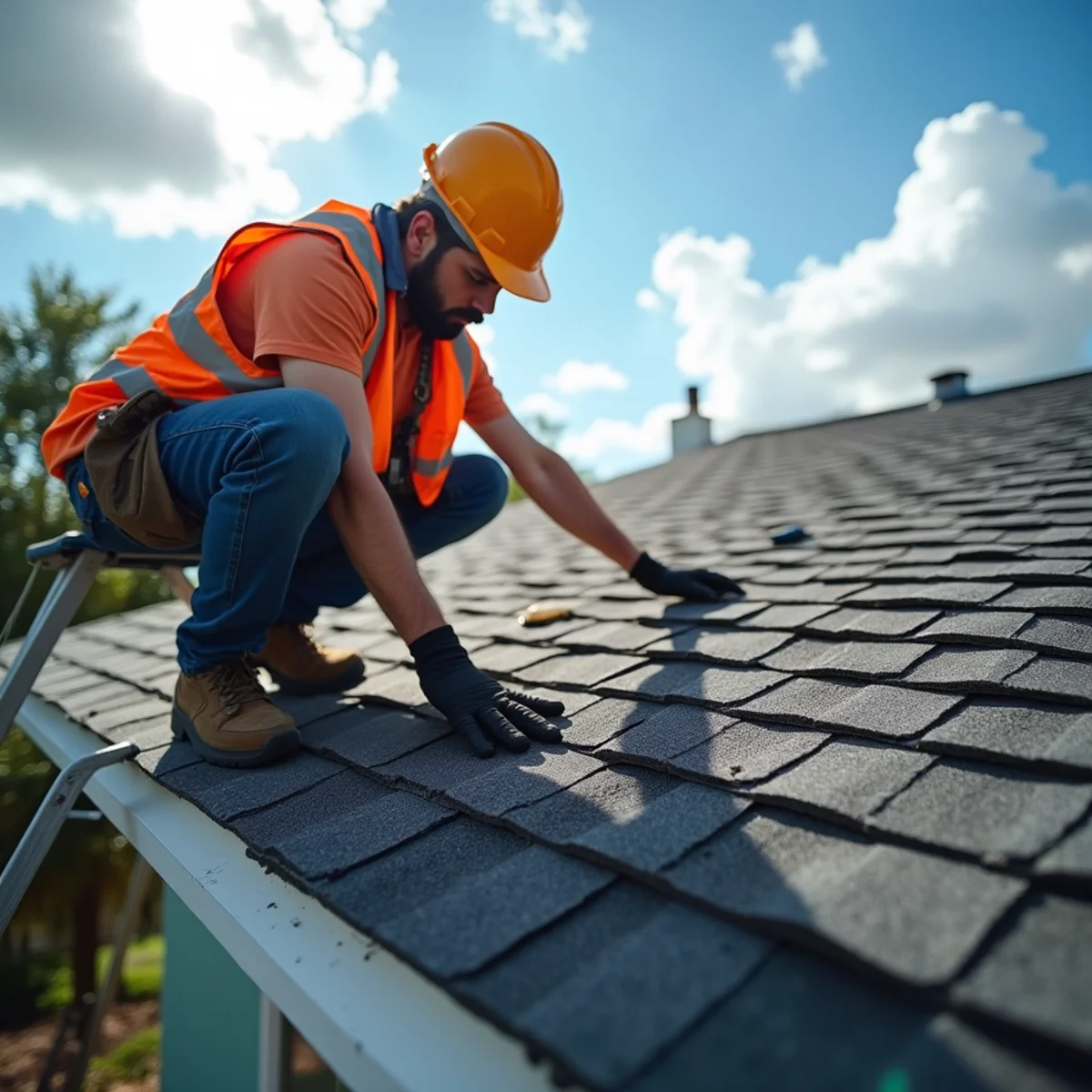
Storm Damage Roof Repair in Titusville, FL
A storm rolls through the Space Coast and the next morning there are shingles in the yard, a wet spot spreading across the ceiling, or a piece of flashing lying in the driveway. That is storm damage, and it does not wait for a good time. Water that got past your roof last night is already working into the decking and insulation.
Align Roofing Service handles storm damage roof repair for homes and businesses across Titusville and Brevard County. We are based right here at 688 S Park Ave, so when wind or rain tears up your roof, you get a local crew that can actually get to you, not a company driving in from two counties over after every other job is done.
We get up on the roof, tell you straight what the storm did, and get it sealed back up. If water is coming in right now, our 24/7 emergency service means you can call and we will tarp it to stop the damage while we plan the full repair.
Storm damage in Titusville is its own animal
Roofs here do not fail the way they do up north. On the Space Coast the wear is slow and salt-driven most of the year, then one bad afternoon in storm season can undo a decade of it. We sit on the north end of Brevard, right against the Indian River lagoon and Kennedy Space Center, and that spot on the map decides how a roof takes a hit.
Homes closer to the water in Titusville, near Sand Point or along the causeways, breathe salt air every single day. That salt eats at nails, staples, drip edge, and any exposed metal flashing. By the time a strong storm rolls through, those fasteners are already weaker than they look. So a wind event that a fresh inland roof would shrug off can lift shingles on a coastal roof that seemed fine the week before.
Then there is the summer pattern. From June through September, Brevard gets near-daily afternoon thunderstorms that push straight-line winds and driving rain sideways under the shingle edges. Stack hurricane season on top of that, running through the end of November, and you have two separate threats. One is the slow salt-and-UV grind. The other is the sudden gust that finds every weak spot at once. Which one hit your roof changes how we repair it.
Wind, hail, and debris leave different fingerprints
Wind damage shows up as creased or missing shingles, lifted edges, and torn flashing at the ridges and rakes where the suction is strongest. On a Titusville roof, wind almost always goes after the perimeter first, the eaves and gable ends that face open water or an open field.
Hail is less common here than in the Midwest, but it happens, and it does something different. It bruises. You get round dents that knock the granules off the shingle mat, and those spots do not leak today. They fail in a year or two once the bare asphalt bakes under the sun. That is why a real storm inspection hunts for soft, dark impact marks, not just holes.
Debris is the third one. A snapped oak limb, a piece of a neighbor's fence, or a torn-loose vent cap punches through and gives you an obvious way in. The tricky part is that the hole you can see is often not the only damage. A big branch coming down can shift decking and crack the seal on shingles ten feet away.
We sort out which of these hit you before we quote anything, because the repair for each is genuinely different. If you want a broader look at how we handle severe weather, our hurricane roof damage repair page covers the heavier end of this work.
Repair or replace after a storm
This is the question most people actually want answered, and an honest roofer will not hand you a blanket rule.
A repair makes sense when the damage is contained. A dozen wind-lifted shingles on one slope, a torn section of flashing, a single puncture from debris, with the rest of the roof still in good shape and reasonably young. In those cases we fix the affected area, match the shingles as close as the current stock allows, and you move on. Our standard storm damage roof repair work handles most of these in a day or two.
Replacement is the right call when the damage is spread across several slopes, when the roof was already near the end of its life, or when the decking underneath is wet and rotted over a wide area. Patching a roof that is one storm away from the next failure is just throwing money at it. If you are leaning that direction, roof replacement lays out what a full tear-off involves.
The honest gray zone is a roof in the ten-to-fifteen-year range with real but partial damage. Insurance rules, whether a matching shingle is even available, and the condition of the underlayment all push the decision one way or the other. We walk the roof, show you photos of what we found, and tell you which way we would go if it were our house. No nudging you toward the bigger job.
The material you have changes everything
Asphalt shingles are the most common roof in Titusville, and after a storm they are the easiest and cheapest to repair one section at a time. The catch is color matching. A sun-faded slope will never perfectly match new shingles, so on a front slope that everyone sees, we will tell you honestly what to expect. There is more on that system on our asphalt shingle roofing page.
Metal roofs handle wind better but dent under hail and heavy debris, and a repair means matching panel profiles and re-sealing fasteners without opening up new leak points. Tile cracks under impact and can go back one piece at a time if you have spare tiles, though color-matched tile is not always around anymore. Metal roofing and tile roofing each have their own repair quirks we are happy to walk you through in person.
What storm repair costs and how long it takes
Nobody can quote a storm repair sight unseen, and anyone who does over the phone is guessing. The price rides on how much area is affected, whether the decking underneath is wet and needs replacing, your roof's pitch and height, the material, and how hard the shingles are to match. A handful of shingles and some sealant is a small job. Widespread wind damage sitting on rotten decking is a different number.
Timeline works the same way. A contained wind or debris repair on a roof we can get to easily is usually one day. Larger jobs, or ones where we open up the decking and find more than we expected, run two or three. The real delay is almost never the labor. It is weather. We will not tear into a roof with a storm cell an hour out, because an open roof in a Brevard downpour does more damage than the storm that started this.
If your roof is actively leaking right now, do not wait on any of this. Our emergency roof repair crew tarps and dries the roof in first, then we plan the permanent fix once it is safe and dry.
The insurance side, done straight
Most storm damage in Florida is a covered peril, meaning wind, hail, and falling debris are the kind of sudden events a homeowners policy is built for. Plain age and wear are not. That line is exactly what the claim turns on, and it is why the documentation matters so much.
We photograph and document the damage thoroughly so you have a clear written record of what the storm did. That record supports your claim. To be straight with you, we do not file your claim, we do not negotiate with your insurer, and we cannot promise what they will approve. That part is between you and them. What we can do is give you an accurate, honest scope of the damage so you are not walking into that conversation blind. Our insurance claim assistance page explains where that line sits.
A few things worth knowing. Florida generally gives you time to file after a loss, but insurers expect prompt notice, so do not sit on it for months. Photograph everything before any cleanup or permanent repair, because once the debris is gone the evidence goes with it. And know that older roofs often get paid at actual cash value, which subtracts depreciation, so the check may be smaller than a full replacement cost. Knowing that ahead of time keeps the surprise out of it.
Mistakes we see after storms
The big one is signing with a storm-chaser crew that shows up from out of state the day after a hurricane, does a fast patch, and is gone before the next season. When that repair fails, so has the warranty and the phone number.
The second is climbing up to look yourself. A storm-loosened roof is not safe to walk, and you can turn a small problem into a fall. Let someone with fall protection do the looking. A proper roof inspection finds the hidden damage, the soft decking and the bruised shingles, that a quick glance from the ground never catches.
We are based right here at 688 S Park Ave in Titusville and work across North Brevard, from Titusville down through Port St. John and the rest of the Space Coast. So when a repair needs a follow-up, we are minutes away, not a state away.
If a storm hit your roof, call for a free inspection and a free written estimate. We will get up there, show you photos of exactly what we find, and tell you honestly whether it is a repair or something bigger.
What This Service Covers
Emergency tarping and leak stop
When water is actively coming in, the first job is stopping it. We tarp the exposed sections and seal off open leaks so the storm quits flooding your attic and walls while you wait on the full repair or the insurance process.
Wind and shingle damage repair
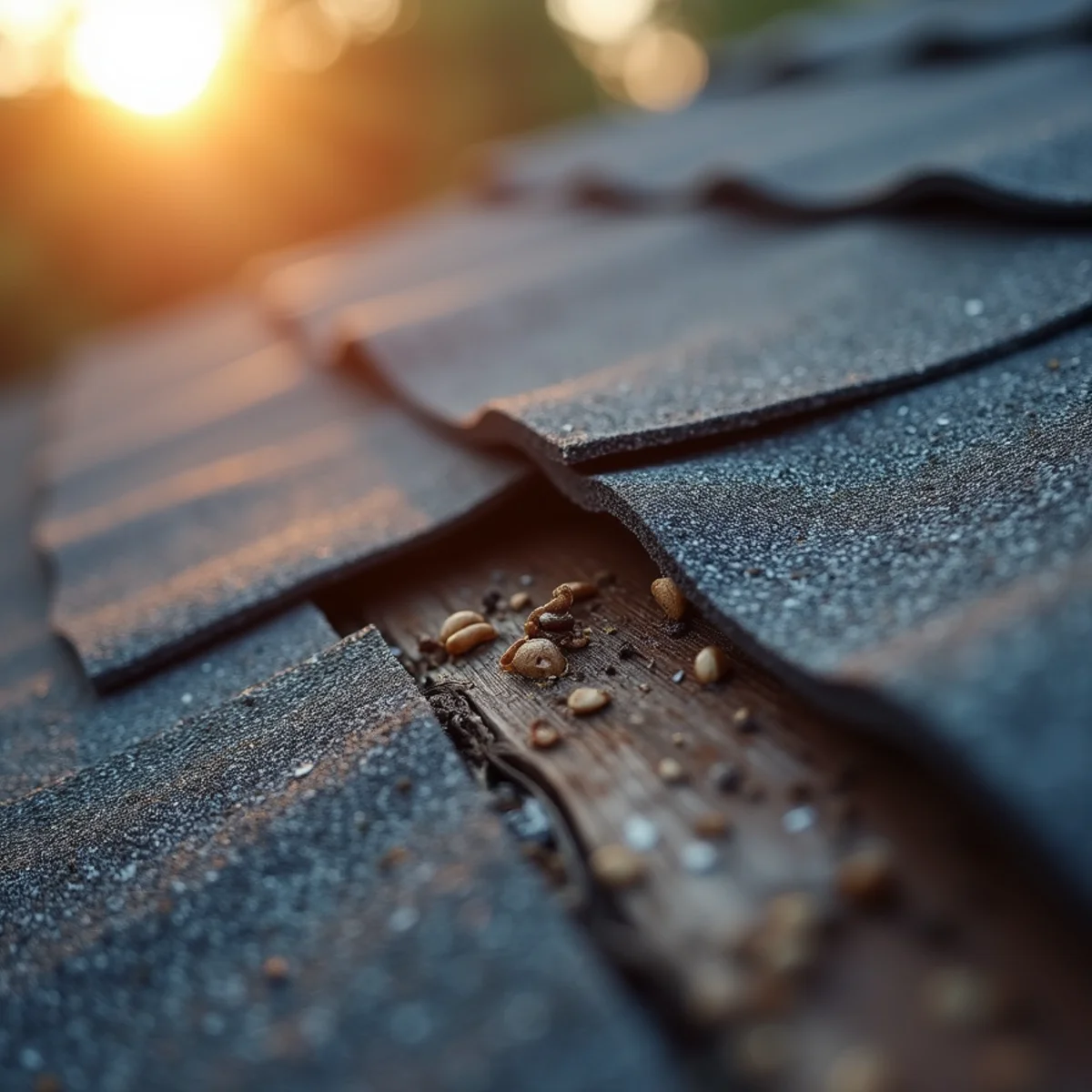
Summer storms and hurricane-season gusts lift, crease, and rip off shingles. We replace what is gone, re-secure what is loose, and check the surrounding field so the next round of wind does not peel the roof open again.
Leak tracing and water intrusion repair
A ceiling stain rarely sits right under the hole. We follow the water back to where it actually gets in, whether that is a lifted shingle, cracked flashing, a popped nail, or a failed seal around a vent or skylight, then fix the source instead of the symptom.
Flashing, vent, and skylight repair
Storms work the weak points first. Bent or torn flashing along walls and chimneys, damaged vent boots, and skylight flashing that pulled loose are common leak paths after high wind. We reseal or replace them.
Decking and structural drying-out
If water reached the plywood decking, patching over wet wood just traps the problem. We check the deck condition, replace what is rotted or soft, and make sure the repair goes over sound material.
Documentation for your insurance claim
We photograph and document the storm damage with dated notes so you have what you need for your claim, and we can meet your adjuster on site to point out what we found. We do not file or negotiate the claim, but we make the roofing side simple.
Signs You Need Storm Damage Roof Repair
- Shingles, granules, or roofing debris in your yard or driveway after a storm
- A new water stain on the ceiling or a wall, or drips during rain
- Shingles that look lifted, curled, creased, or flat-out missing
- Bent, torn, or loose metal flashing around chimneys, walls, or skylights
- Dented or damaged vents, boots, or gutters after hail or heavy wind
- Daylight or damp spots showing up in the attic
- Debris from a neighbor's tree or roof that landed on yours
How It Works
- 1
Call us, and we prioritize active leaks
Tell us what you are seeing. If water is coming in, we move you to the front of the line and get out for emergency tarping as fast as we can.
- 2
We inspect and document the damage
We get on the roof, check the shingles, flashing, vents, and decking, and take dated photos of everything the storm did, including the parts you cannot see from the ground.
- 3
You get a written estimate
Clear scope, clear price, and a straight recommendation on whether the storm damage is a repair or whether the roof is past saving. No loose verbal numbers.
- 4
We support your insurance claim
We hand over the documentation and photos, and we can meet your adjuster on site to walk them through what we found. You have what you need to move the claim forward.
- 5
We make the repair and clean up
We fix the damage with materials built for Florida wind and sun, sweep up nails and debris, and walk the finished roof with you before we call it done.
Storm Damage Roof Repair Across Brevard County
We handle storm damage roof repair across Titusville and all of Brevard County, from Mims and Scottsmoor down through Port St. John, Cocoa, Rockledge, Merritt Island, and the beaches.
Storm Damage Roof Repair FAQs
How do I know if my roof has real storm damage or just normal wear?
Should I repair or replace my roof after a storm?
Do you file my insurance claim for me?
What should I do in the first hours after storm damage?
How much does storm damage roof repair cost in Titusville?
How long does a storm repair take?
Why does living near the Indian River lagoon make storm damage worse?
Can hail damage a roof even if I do not see any holes?
Should I hire a crew that shows up right after a hurricane?
You Might Also Need
Emergency Roof Repair
24/7 tarping and repair when water is coming in now.
Learn moreHurricane Roof Damage Repair
Assess and rebuild after major storm damage.
Learn moreRoof Leak Repair
Find where water really gets in, then stop it.
Learn moreRoof Inspection
Free, honest look at your roof with photos.
Learn moreTrusted by Local Homeowners
Had a brown stain spreading across the ceiling after the last round of summer storms. They came out for a free inspection, tracked it to lifted shingles near the ridge, and had it patched within the week. Straight answer, fair price.
We were sure we needed a full replacement. They pulled up on the roof, showed me photos on their phone, and told me a repair would carry us a few more years. I appreciated not getting pushed into something I did not need yet.
Full tear off and replacement done in a few days. The crew swept the yard for nails every evening and left it cleaner than they found it. The new roof handles the salt air and heat a lot better than the old one.
Ready to Get Started With Storm Damage Roof Repair?
Book your free inspection and written estimate today.