What to Do After Wind Damages Your Roof: Wind Damage Roof Repair in Florida

Key Takeaways
- Wind usually breaks shingle seals at the edges first, so damage is often invisible from the ground until the next hard rain lets water in.
- Move in order: check for safety hazards, document everything with photos and video, then tarp to stop water before it spreads.
- Florida gives you one year from the date of loss to file a wind or hurricane claim (18 months for a supplemental claim), so do not let the clock run out.
- Get an independent roof inspection before the adjuster arrives; Align documents damage to support your claim but does not file or negotiate it.
- If you are repairing after wind, add wind mitigation features and get the inspection to qualify for insurance premium credits.
Wind Damage Roof Repair in Florida: What to Do After the Storm
Wind is the quiet destroyer of Florida roofs. It does not always announce itself the way a fallen tree or a soaked ceiling does. A 60 mph gust off the Indian River can break the seal on a row of shingles, and you might not know a thing until the next hard rain finds its way in. If you own a home or business around Titusville, understanding wind damage roof repair in Florida is not a luxury. It is part of living on the Space Coast.
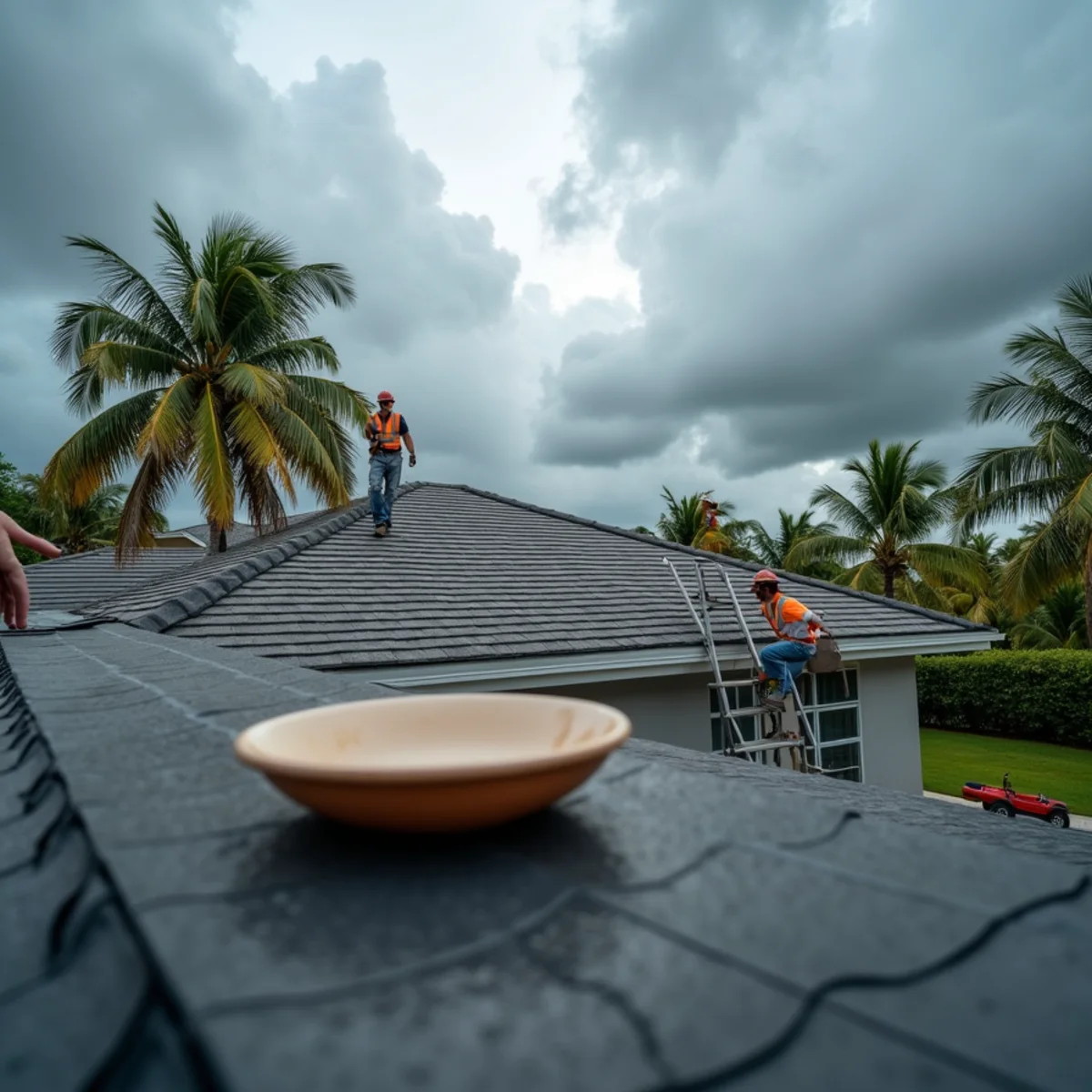
Here in Titusville and across Brevard County, our roofs take a beating that inland Florida never sees. Salt air, relentless UV, summer thunderstorms that roll in off the Atlantic most afternoons, and hurricane season from June through November. Any one of those wears a roof down. Wind is the one that finishes the job. This guide walks you through exactly what to do after wind damages your roof, in the order that actually matters.
How Florida Wind Damages a Roof
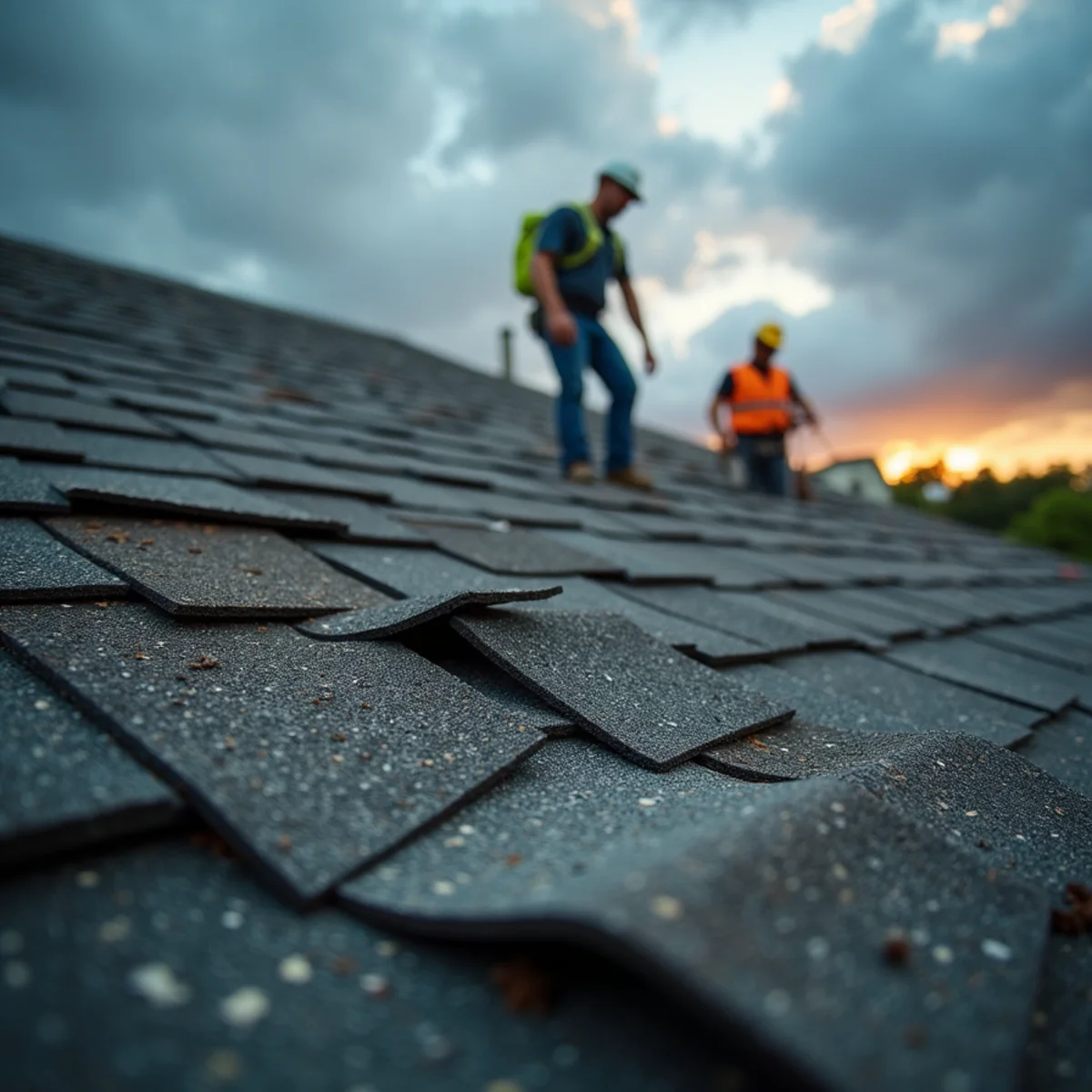
Wind rarely rips a roof off in one dramatic move. It works the edges. Air moving over your roofline creates lift, the same force that gets an airplane off the ground. That lift catches the leading edge of a shingle, works under it, and breaks the adhesive seal that holds it down. Once the seal is gone, the shingle flaps in every following gust. Water gets under it. UV cooks the exposed edge. The problem grows one shingle at a time.
The most common wind damage we see on Brevard roofs:
- Lifted or creased shingles where the seal has broken but the shingle has not blown off yet
- Missing shingles, usually along ridges, hips, and edges where wind pressure is highest
- Damaged or displaced flashing around chimneys, skylights, and wall junctions
- Loose or missing ridge caps
- Granule loss that clogs gutters and thins the shingle's protection
- Punctures and dents from windblown debris, tree limbs, and loose objects
On tile and metal roofs the failure points shift. Wind lifts and cracks tiles, and it works fasteners loose on metal panels. Whatever your roof is made of, the underlayment and the seal are what keep water out, and wind attacks both.
The First 24 to 48 Hours
Start with safety. Do not climb onto a wet or damaged roof, and never go up during or right after a storm. Walk the perimeter of your property first. Look for downed power lines, limbs resting on the structure, and any sagging in the roofline. Inside, check ceilings and upper walls for stains, bubbling paint, or active drips. If you see a sagging ceiling, stay out of that room.
Document everything before you touch anything. Your phone is your best tool right now. Take clear photos and video from the ground of every angle of the roof, plus close-ups of any missing shingles, bent flashing, gutters full of granules, and every interior stain or leak. Get wide shots that show the whole elevation and tight shots that show detail. Timestamps help. This documentation is what supports a strong insurance claim later, and the more you have, the better.
Stop the water. Florida policies require you to take reasonable steps to prevent further damage after a loss. That usually means a tarp. A tarp done right covers the opening completely, extends at least three feet past the damaged area on every side, and is anchored so wind cannot get under it and peel it back. A tarp done wrong traps water or blows off in the next afternoon storm and makes things worse. If you are not comfortable getting on the roof, do not force it. Our emergency roof repair crews handle tarping and water stops around the clock, because leaks do not wait for business hours.
Call Your Insurance Company, and Know the Clock
Notify your insurer as soon as you have documented the damage. Most carriers have a 24/7 claims line or an online portal. Florida policies require prompt notice, and the law backs that up with a hard deadline.
This is where a lot of homeowners get burned, so read this part twice. As of January 1, 2023, Florida law gives you one year from the date of loss to file a claim, down from the two years it used to be. For a named hurricane, the date of loss is the day the storm hit, not the day you noticed the damage. You have eighteen months for a supplemental claim if hidden damage turns up later. Miss the window and a valid, fully documented claim can still be denied. On a slow leak from a wind event months back, that clock is easy to lose track of. Do not.
A few practical notes on the claim itself. Read your policy for your wind or hurricane deductible, which in Florida is often a percentage of your home's insured value rather than a flat dollar amount. Keep a simple log of who you spoke with and when. And be careful with any contractor who pushes you to sign an Assignment of Benefits before your carrier has even seen the damage. For a full walkthrough of the process, see our step-by-step guide to filing a roof insurance claim in Brevard County.
Get an Independent Roof Inspection
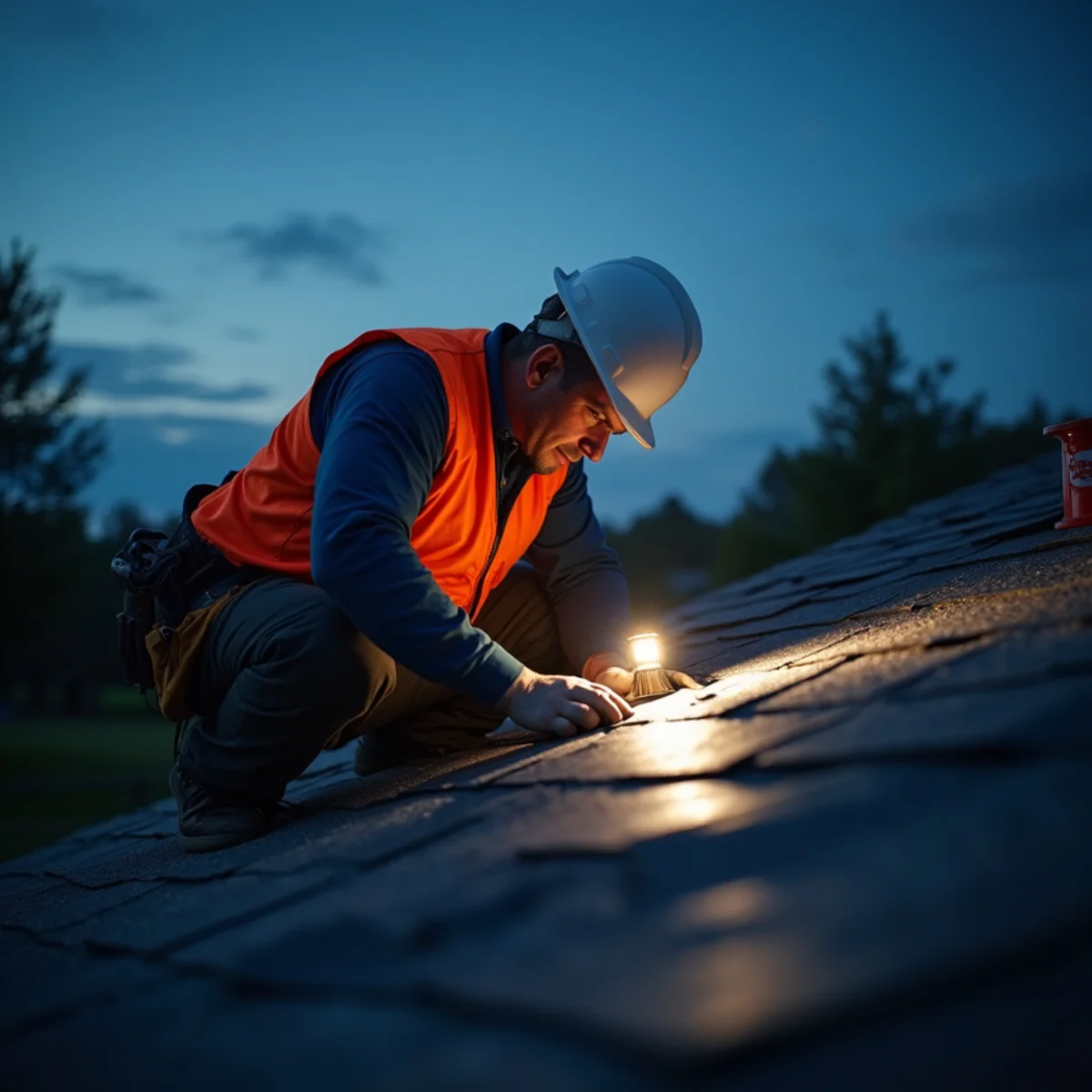
Insurance adjusters are thorough, but they work for the carrier, and a lot of wind damage is genuinely hard to see from the ground. A creased shingle, a broken seal, or a hairline crack in a tile does not look like much until it lets water into your decking. An independent roof inspection gives you your own written account of the damage before the adjuster arrives, so you walk into the process knowing what is actually wrong with your roof.
We document what we find in writing and with photos, in plain language you can hand straight to your insurer. Align Roofing Service documents storm damage to support your insurance claim. We do not file, negotiate, or guarantee the outcome of the claim itself, and you should be skeptical of any roofer who promises they can. What we do is make sure the damage is on record and nothing gets missed.
Repair or Replace?
Not every wind event means a new roof. The right call depends on how much of the roof is affected, how old it is, and whether the underlayment stayed dry.
Localized damage usually calls for a roof repair: replacing the missing and lifted shingles, resetting or replacing flashing, and sealing the affected area. If wind-driven rain got past the shingles, roof leak repair addresses the water intrusion and any wet decking before it spreads or grows mold. Damaged flashing around a chimney or skylight is a common leak source after high wind, and flashing repair is often cheaper than people expect.
When wind has stripped a large section, or the roof was already near the end of its life, a roof replacement is the honest answer. Patching a worn-out roof is throwing good money after bad. A Florida roof takes so much punishment from sun and salt that squeezing repairs out of a failing one rarely pays off. We will tell you straight which situation you are in.
Wind Mitigation: Lower Risk and a Lower Premium
Here is something most roofing blogs skip entirely. Florida rewards you for a stronger roof. A wind mitigation inspection documents features that help your roof stand up to high wind: the roof-to-wall connections, the shape of the roof, the type of decking attachment, and a secondary water barrier. Florida insurers are required to offer premium credits for qualifying features, and those credits can add up year after year.
If you are already repairing or replacing your roof after wind damage, it is the ideal moment to add mitigation features and get the inspection done. You fix the current problem and lower your risk and your premium at the same time. On the Space Coast, where a strong storm is a question of when and not if, that is money well spent.
Choosing a Roofer After a Storm
Storms bring out storm chasers. Out-of-town crews show up, knock on doors, push hard for a signature, and are gone the next county over by the time a problem surfaces. Slow down. Use a local roofer you can find again, one with a real address and a real phone number. Align Roofing Service is at 688 S Park Ave right here in Titusville, with 51 Google reviews from your neighbors. We are not passing through. Get the estimate in writing, ask what the repair actually includes, and do not let anyone rush you.
We handle residential and commercial roofs, offer free inspections and written estimates, and financing is available if the repair lands at a rough time. When wind hits at 2 a.m., our 24/7 emergency service answers.
Ready for the Next Storm
Wind damage is not a matter of if in Brevard County, it is a matter of when. The homeowners who come through it best are the ones who act fast, document well, and work with a roofer who knows Space Coast weather. If wind has damaged your roof, or you just want to know where you stand before the next storm, book a free inspection with Align Roofing Service. Call +1 (209) 758-8550 and we will get eyes on your roof.
Frequently Asked Questions
How can I tell if wind actually damaged my roof if nothing looks obviously wrong?
How long do I have to file a wind damage insurance claim in Florida?
Should I tarp the roof myself after a storm?
Will my homeowners insurance cover wind damage to my roof?
Do I need a full roof replacement after wind damage, or just a repair?
What is a wind mitigation inspection and is it worth it?
Written by Align Roofing Service
A local roofing contractor in Titusville, FL. We help homeowners across Brevard County with honest repair-or-replace advice, free inspections, and 24/7 emergency service.
Back to all articles