Filing a Roof Insurance Claim in Brevard County: A Step-by-Step Guide
Key Takeaways
- In Florida you generally have one year from the storm date to give notice of a new roof claim, and 18 months for a supplemental claim, so report fast.
- Most Brevard policies carry a separate hurricane deductible of 2 to 5 percent of dwelling coverage, far larger than your standard deductible.
- Insurance covers sudden storm, wind, and hail damage but not age, wear, or neglect, and local adjusters are strict about proving the damage was sudden.
- Get an independent inspection and written estimate before the adjuster visits so the full scope of damage is documented.
- Know whether your roof is covered at Replacement Cost Value or Actual Cash Value, because it changes your out-of-pocket cost significantly.
Filing a Roof Insurance Claim in Brevard County: A Step-by-Step Guide
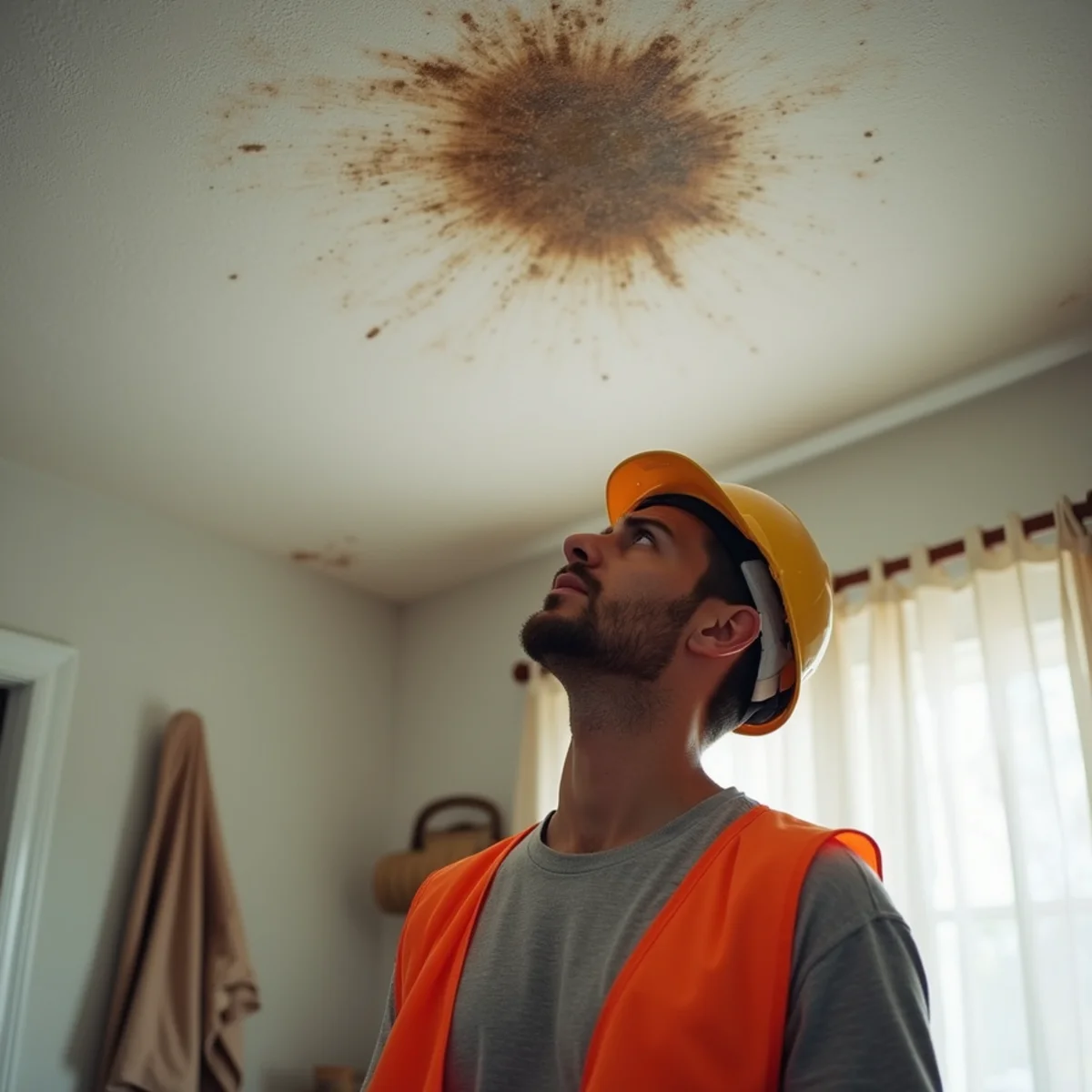
A bad storm rolls off the Atlantic, and the next morning you find shingles in the yard and a brown ring spreading across the bedroom ceiling. Now what? Filing a roof insurance claim in Brevard County is not complicated once you know the order of operations, but small mistakes early on can cost you thousands later. This guide walks through the whole process the way we explain it to homeowners in Titusville every storm season, with the local details and Florida rules that most generic articles skip.
Align Roofing Service is a roofing contractor here in Titusville. We document storm damage to support your claim. We do not file the claim, negotiate with your carrier, or promise a payout. That is your insurance company's call. What we do is put a clear, honest record of the damage in your hands so nothing legitimate gets missed.
Key takeaways
- In Florida you generally have one year from the date of the storm to give your insurer notice of a new roof claim, and 18 months for a supplemental or reopened claim. Do not wait.
- Most Brevard policies carry a separate hurricane deductible of 2 to 5 percent of your dwelling coverage, which is much larger than your standard wind or all-perils deductible.
- Insurance covers sudden storm, wind, and hail damage. It does not cover age, wear, or neglect, and Brevard adjusters are strict about proving the damage was sudden.
- Get an independent inspection and written estimate before the adjuster visits so the full scope of damage is on record.
- Know whether your roof is covered at Replacement Cost Value or Actual Cash Value. It changes your out-of-pocket cost a lot.
First, know what your policy actually covers
Homeowners insurance pays for sudden, accidental damage from a covered peril. On the Space Coast that usually means wind, hurricane, hail, or a tree coming down on the roof. If a shingle roof gets stripped by 70 mph gusts or punched full of holes by hail, that is what the policy is for.
What insurance does not pay for is age and neglect. A 22-year-old asphalt roof that finally gives up because the granules wore off is a maintenance issue, not a claim. A leak from a valley packed with rotting oak leaves, or rusted flashing that has been weeping for three years, gets denied as neglect. Brevard County sees so many storms that carriers are especially firm about proving the damage was sudden and tied to a specific event. That is exactly why documentation matters here more than it might somewhere with milder weather.
Salt air and relentless UV on the coast age a roof faster than most people expect, so the line between storm damage and wear is one adjusters look at hard. A recent roof inspection on file helps you show the roof was in sound shape before the storm hit.
Step 1: Make it safe and document everything
Your first job after a storm is safety, then evidence. If water is pouring in, get a tarp over the opening or call for emergency roof repair so the interior stops taking damage. Florida policies require you to prevent further loss, and a tarp is a temporary fix, not a permanent repair, so it will not hurt your claim. Keep the receipts for tarps, plywood, or any emergency work.
Then photograph and film everything before anyone touches the roof for real repairs:
- All four sides of the house from the ground.
- Close shots of missing, cracked, or lifted shingles and any exposed decking.
- Bent or torn flashing, dented vents, damaged gutters and downspouts.
- Interior water stains on ceilings and walls, ideally with a tape measure in frame.
- Storm debris and any fallen limbs on the property.
Back the photos up to the cloud right away in case your phone gets lost or soaked. If you have any older photos of the roof in good condition, save those too. They are strong proof the damage is new.
Step 2: Understand your deadlines
Florida law sets hard time limits, and they got shorter in recent years. For a new roof claim you generally have one year from the date of loss to give your insurer notice. For a supplemental or reopened claim you have 18 months. The date of loss for storm damage is the day the storm actually hit, not the day you noticed the leak. Miss the window and the carrier can deny you outright, no matter how real the damage is.
The lesson is simple. Report fast. Do not sit on it for a season hoping the stain goes away.
Step 3: Get an independent inspection and estimate first
Before you call your insurer, or at least before the company's adjuster shows up, have your own roofer look at the roof. The adjuster the carrier sends works for the carrier. A separate, thorough inspection from your side puts the full scope of legitimate damage on paper so nothing gets quietly left off.
A good roofer finds things a quick look misses: bruised shingles where hail broke the seal, loosened nail heads, cracked flashing around chimneys and skylights, and underlayment or decking damage hiding under the surface. We provide free inspections and written estimates, and we can be on the roof with the adjuster to point out damage that is easy to overlook from the ground. If the storm was a named system, our storm damage roof repair and hurricane roof damage repair documentation is built specifically to line up with what carriers ask for.
Step 4: File the claim
Call your insurer's claims line with your policy number, the storm date, and a short description of the damage ready. Before you hang up, get three things: your claim number, the name and contact for your assigned adjuster, and your exact deductible for this loss. Write down the date, the time, and who you spoke with. Keep that habit for every call through the whole process.
Step 5: Meet the adjuster with your documentation ready
The carrier sends a field adjuster to inspect the roof and write an estimate. This is the moment the claim is really decided. Have your photos, your roofer's inspection report, and your written estimate in hand. When your contractor is on site, the two of them can walk the roof together and agree on what is damaged instead of you finding out weeks later that half the scope got dropped.
Step 6: Read the estimate line by line
When the carrier's estimate comes back, compare it against what your roofer documented. Initial estimates commonly leave out underlayment, flashing, decking, drip edge, or code-required upgrades. If items are missing, your roofer can put together a line-item comparison so you can request a supplement. Do not assume the first number is final. It often is not.
The Brevard numbers that actually affect your wallet
Two different deductibles. Most Space Coast policies carry a separate hurricane deductible, usually 2 to 5 percent of your dwelling coverage, that only applies to named-storm damage. On a home insured for $400,000, a 2 percent hurricane deductible is $8,000 out of pocket before the policy pays a dime. Your standard wind or all-perils deductible for a regular thunderstorm is much smaller, often a flat $1,000 or $2,500. Check which one applies to your loss, because it changes the math on whether filing even makes sense.
RCV vs ACV. Replacement Cost Value pays to replace the roof at today's prices, minus your deductible, usually in two checks with the second released once work is done. Actual Cash Value pays the depreciated value, so on an older roof you may get far less. Many Florida carriers now put older roofs on an ACV or roof-payment schedule, which means a 15-year-old roof might only be covered for a fraction of replacement cost. Read your declarations page or ask your agent before a storm, not after.
The 25 percent rule changed. Florida used to require a full roof replacement if more than 25 percent of a roof was damaged. That automatic trigger was rolled back. Now, if your roof was built or replaced to the 2007 Florida Building Code or later and can be safely repaired, the carrier may pay only for the repair even when the damaged area is larger. That makes documenting the true extent of the damage even more important.
Matching and depreciation. If only one slope is hit but the shingle is discontinued, matching the rest of the roof becomes an issue. How a carrier handles matching and how it calculates depreciation both affect your payout, and both are worth asking about directly.
Wind mitigation: the discount most people leave on the table
A wind mitigation inspection documents features that make your roof more storm-resistant, like the nailing pattern on the decking, hurricane clips or straps, a secondary water barrier, and the roof shape. Florida insurers are required to give premium credits for these features, and on a Brevard home the savings can be significant year after year. If you are replacing the roof through a claim, that is the ideal time to build in mitigation upgrades and then get a fresh wind mitigation inspection so your premium reflects the stronger roof.
A few things not to do
- Do not make permanent repairs before the adjuster inspects. Emergency tarping to stop water is fine and expected. A full roof replacement before inspection can wreck the claim.
- Do not sign an Assignment of Benefits under pressure at the door. Read anything before you sign it.
- Do not accept the first estimate without comparing it to your own documentation.
- Do not let a leak sit. Even a small roof leak repair left alone turns into rotted decking and mold, and carriers deny claims for damage that got worse because it was ignored.
Where Align Roofing fits in
We are based at 688 S Park Ave here in Titusville, and we work across Brevard County on residential and commercial roofs. We offer free inspections and written estimates, financing, and 24/7 emergency service when a storm opens up your roof at 2 a.m. Our role in the claim is straightforward: we document the damage honestly and thoroughly so you have a solid record to work from. The filing, the negotiating, and the decision stay between you and your carrier.
If a recent storm knocked your roof around, get it looked at before your filing deadline runs out. Call us at (209) 758-8550 to book a free inspection and get a written estimate you can put to work.
Frequently Asked Questions
How long do I have to file a roof insurance claim in Florida?
What is a hurricane deductible and how is it different from my regular deductible?
Will insurance replace my whole roof or just repair the damaged part?
Does insurance cover an old roof that leaks?
Should I get my own roof inspection before the insurance adjuster comes?
What is a wind mitigation inspection and can it lower my premium?
Written by Align Roofing Service
A local roofing contractor in Titusville, FL. We help homeowners across Brevard County with honest repair-or-replace advice, free inspections, and 24/7 emergency service.
Back to all articles