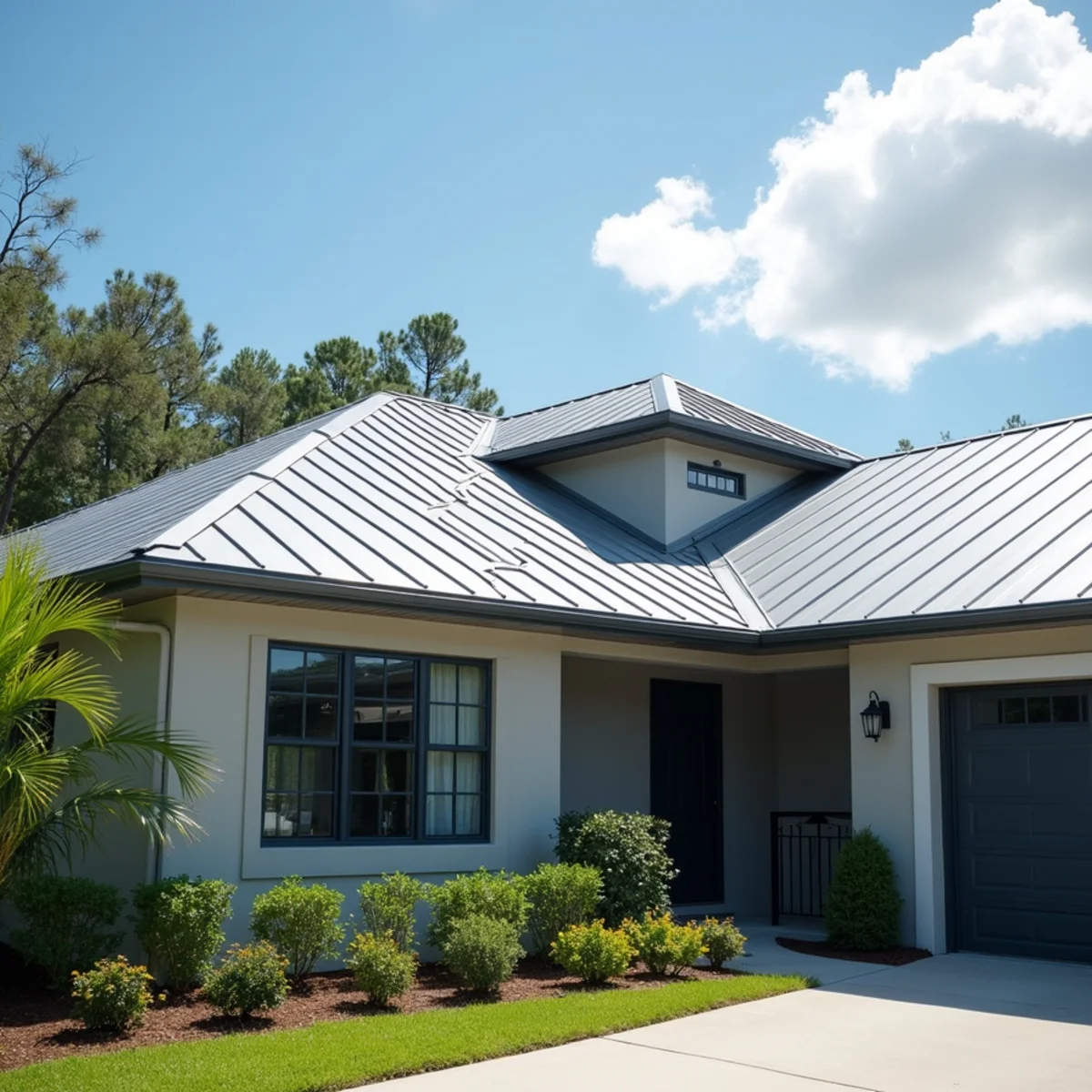
Metal Roofing in Titusville, FL
A metal roof is a long-term decision, and a lot of Titusville homeowners are making it right now. The reasons usually come down to three things: our summer heat, the salt air off the Indian River Lagoon, and hurricane season. Metal handles all three better than most other roofing on the Space Coast.
Align Roofing Service installs metal roofing on homes and businesses across Brevard County. Before you commit, we walk you through the real trade-offs. Metal costs more up front than shingles and lasts a lot longer, so the math depends on how long you plan to stay in the house and what you are dealing with now.
Maybe you are replacing a worn shingle roof, or maybe you already know you want metal. Either way, we start with a free inspection and a written estimate. You will know the material, the color, the price, and the timeline before anything comes off your roof.
Choosing the Right Metal for a Titusville Roof
Most people say "metal roof" and picture one thing. There are actually a few decisions stacked inside that choice, and near the Indian River Lagoon they matter more than they would inland. The panel profile, the base metal, the gauge, and the paint finish all change how the roof holds up to salt air and how long it lasts. Get them right and a metal roof outlives two or three shingle roofs. Get them wrong for a coastal setting and you can see rust streaks in a handful of years.
Base metal: Galvalume steel vs aluminum
The two base metals we talk about most in Titusville are Galvalume steel and aluminum. Galvalume is steel coated in a zinc-aluminum alloy. It is strong, it holds up well across most of Brevard, and it costs less than aluminum. The catch is that raw cut edges and scratches can start to corrode if they sit in constant salt spray.
Aluminum does not rust. For homes right on the water, on the barrier island, or anywhere you smell salt on a normal day, aluminum is often the smarter long-term call even though it costs more up front. It is softer, so a good installer handles it with care, but for true coastal exposure it is hard to beat. If your house sits a few miles inland, quality Galvalume with a strong paint system is usually plenty. Part of what we do on the free inspection is tell you which side of that line your address falls on.
The paint finish is not just color
Two metal roofs can look identical and age completely differently. The difference is the coating. A PVDF finish, which you may hear called Kynar 500, holds its color and resists chalking and fading far longer than the cheaper polyester finishes some crews use to hit a low number. Under Florida UV, that gap shows up fast. A cheap finish can look tired and streaky in five or six years while a PVDF finish still looks close to new.
Color does more than look good here. A reflective cool-roof color bounces heat off the roof instead of pushing it into your attic, which helps in July when your AC runs most of the day. Lighter and specially formulated colors carry the best reflectivity, but even mid-tone options finished for solar reflectance make a real difference on a Space Coast summer.
Gauge and profile
Thinner steel is cheaper and dents easier. For a home roof we lean toward heavier gauge because it stands up better to wind-driven debris and to foot traffic during service. Profile is the other half of it. Standing seam hides its fasteners in the raised seams, which is why it handles wind uplift so well and gives coastal homes fewer exposed parts to corrode. Exposed-fastener panels screw through the face and cost less. They work fine on outbuildings and some homes, but every one of those sealed screws is a spot to inspect down the road. On or near the water, fewer exposed fasteners is almost always the better path.
Salt Air, Sun, and Storms: Why Coastal Metal Is Different
Three local forces work on a Titusville roof every year, and a metal roof answers each of them.
Salt air is the quiet one. It does not tear anything off. It just works on any exposed steel edge, cheap fastener, or thin coating year after year. That is why base metal and coating choice matter more here than they do in Orlando.
Sun is relentless from spring through fall. UV breaks down asphalt shingles and dries out their sealant. Metal does not care about UV the way shingles do, and a good coating keeps it from fading. That is a big reason a metal roof can run 40 years or more here while a shingle roof is asking for roof replacement at 15 to 20.
Then there is hurricane season. A properly installed standing seam roof, fastened to code with concealed clips, is one of the strongest systems you can put over your house. It is not magic. A metal roof still needs the right underlayment, the right flashing, and the right fastening schedule to earn that reputation. Done right, it sheds wind and rain and gives you far less to worry about when a storm gets named. If a storm does hit, we also handle storm damage roof repair and hurricane roof damage repair across Brevard.
What a Proper Metal Install Actually Involves
A metal roof is only as good as the layers under it and the details at the edges. This is where cheap jobs cut corners.
The deck gets checked first. If the plywood underneath is soft or rotted, it gets replaced before anything goes down. Then comes a high-temp synthetic underlayment rated to sit under metal, which runs hot. That underlayment is your secondary water barrier, the layer that keeps you dry if wind ever drives water past a seam. Skipping a proper underlayment is one of the most common ways a metal job gets cheapened.
Flashing is the next make-or-break detail. Valleys, sidewalls, chimneys, skylights, and every roof penetration need corrosion-resistant flashing worked correctly, not just a bead of sealant hoping to hold. Most metal roof leaks we get called out to are not the panels at all. They are bad flashing or a botched penetration. If you already have a metal roof with a leak, that is usually a flashing repair or a roof leak repair, not a teardown.
Ventilation matters too. A metal roof over a poorly vented attic traps heat and moisture, which shortens the life of everything underneath. We look at intake and exhaust as part of the job and handle roof ventilation repair when the attic needs it. Panels also need room to expand and contract as they heat and cool, so clip spacing and seam type have to match the panel length. Pin a long panel down wrong and it will oil-can or work its fasteners loose over time.
What Drives Cost and Timeline
Metal costs more than shingles up front, and the range is wide because the inputs vary a lot. Base metal (aluminum costs more than Galvalume), panel profile (standing seam costs more than exposed-fastener), gauge, coating quality, roof pitch and complexity, and how much deck or structural work the roof needs all move the number. A simple gable roof in standing seam is one price. A cut-up roof with lots of valleys, dormers, and skylights is another.
Timeline usually runs longer than a shingle job because metal panels are often cut and formed to your exact roof, and the flashing work is more detailed. A straightforward home is commonly a matter of days once material is on site. Deck repairs, permits, and weather can stretch it out. We give you the real schedule in the written estimate, and financing is available if you want to spread the cost. If you are weighing metal against other systems, it helps to compare it against asphalt shingle roofing and tile roofing so you are choosing on the full picture, not just the sticker price.
Insurance and Wind Mitigation: The Part Most Roofers Skip
Here is the piece the competition rarely talks about. A new roof, and a metal roof in particular, can lower what you pay for homeowners insurance in Florida. After the work is done, a licensed inspector fills out a wind mitigation form that documents your roof covering, deck attachment, and fastening. Those features can earn premium credits. We can point you toward a wind mitigation inspection so you actually capture the savings a strong roof is supposed to buy you.
If your existing roof took storm damage, we photograph and document the condition to support your claim. To be clear, we do not file or negotiate with your insurer, and we cannot promise an outcome. What we do is give you clean, dated evidence, and we offer insurance claim assistance so you are not walking into that conversation empty-handed.
We install metal roofing across Titusville, Mims, and the wider Space Coast, on both residential roofing and commercial roofing projects. If a metal roof is on your mind, book a free inspection and a free written estimate. We will tell you honestly whether metal is the right move for your house, which metal fits your spot on the map, and what it costs before anything comes off your roof. Call us and we will get you on the schedule.
What This Service Covers
Standing seam metal
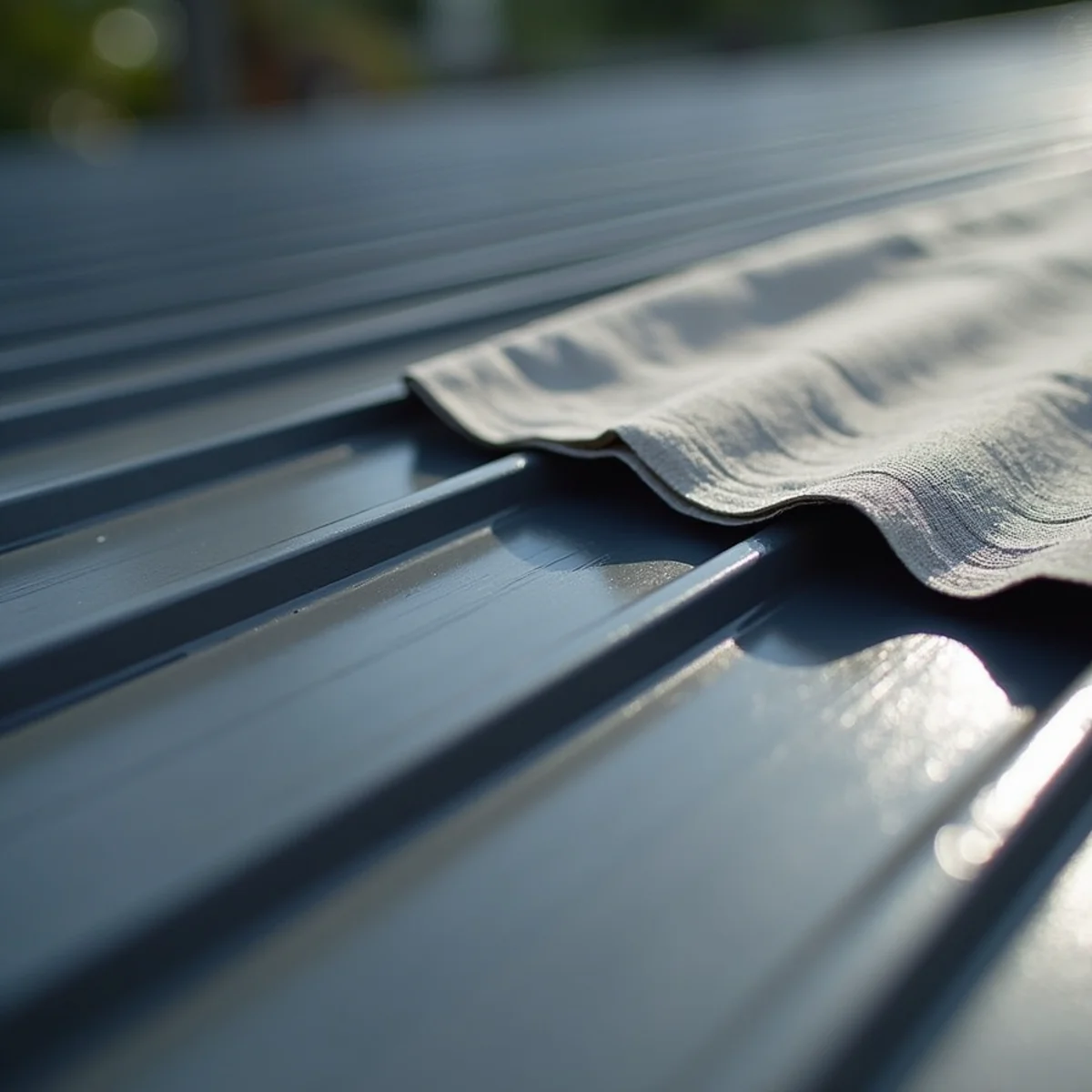
This is the panel most Titusville homeowners picture when they think metal roofing. The seams are raised and locked together, and the fasteners are hidden underneath, so there are no exposed screws to loosen or leak over time. It is the cleanest look and the strongest option against wind uplift.
Exposed-fastener metal panels
A more affordable metal option, common on outbuildings, barns, and some homes and light commercial jobs. The panels screw down through the face with sealed washers. It costs less than standing seam and still outlasts shingles, though those washers need checking down the road.
Metal on commercial and low-slope roofs
Standing seam and other metal systems work well on many commercial buildings and steeper commercial slopes. We look at the deck, the pitch, and the drainage, then tell you whether metal is the right call or whether a flat-roof system fits your building better.
Reflective and cool-roof colors
Metal can be finished with reflective coatings that bounce a good chunk of the sun back off the roof instead of letting it soak into your attic. In Florida heat, that shows up on your power bill in the summer. We go over color and finish options with you.
Full tear-off and proper underlayment
A metal roof is only as good as what goes under it. We tear off the old roof, check the decking, replace any rotten or soft wood, and lay a proper underlayment before the panels go on. Cutting corners here is where cheap metal jobs start leaking.
Flashing, valleys, and penetrations
Metal roofs leak at the details, not the flat runs. We flash the valleys, chimneys, skylights, vents, and wall connections with care, because that is where water finds its way in on a roof that is otherwise solid.
Signs You Need Metal Roofing
- Your current shingle roof is near the end of its life and you want the next one to be the last one you install
- You are tired of losing shingles every time a summer storm or hurricane blows through
- Your attic runs hot and your summer power bills keep climbing
- You live near the water and salt air is eating up your roof faster than you expected
- You want a roof that can handle high winds during hurricane season
- You are planning to stay in the home a long time and want to spread the cost over more years
- You like the look of a standing seam roof and want a modern, low-maintenance option
How It Works
- 1
Free inspection
We get on your roof, check the condition of what is up there now, look at the decking and the slope, and take photos. This tells us whether metal is a good fit for your home and what the job actually involves.
- 2
Written estimate and material choice
You get a clear estimate with the metal system, the color, and the price spelled out. We go over standing seam versus exposed-fastener panels and reflective color options so you can pick what fits your home and your budget.
- 3
Tear-off and deck repair
We remove the old roof and inspect the wood underneath. Any rotten or soft decking gets replaced before we go further, because a new roof over bad wood is money wasted.
- 4
Underlayment and panel install
We lay the underlayment, then install the metal panels and lock or fasten them properly for our wind zone. The flashing at valleys, vents, and walls gets sealed as we go.
- 5
Walkthrough and cleanup
We sweep for nails and metal scrap, haul off the old material, and walk the finished roof with you so you see the work and the cleaned-up yard before we call it done.
Metal Roofing Across Brevard County
We install metal roofing across Titusville and all of Brevard County, from Mims and Port St. John down through Cocoa, Rockledge, Merritt Island, and the beaches.
Metal Roofing FAQs
How long does a metal roof last in Titusville?
Is standing seam or exposed-fastener metal better for a coastal home?
Will a metal roof make my house hotter?
How does a metal roof hold up in a hurricane?
Does a metal roof cost more than shingles, and is it worth it?
Can a metal roof lower my homeowners insurance?
Why do metal roofs leak, and can they be repaired without a full replacement?
Can you install a metal roof over my existing shingles?
How long does a metal roof installation take?
You Might Also Need
Roof Replacement
Full tear-off and new roof built for Florida sun and wind.
Learn moreAsphalt Shingle Roofing
Durable, storm-ready architectural shingles.
Learn moreCommercial Roofing
Flat and low-slope roofing for Brevard businesses.
Learn moreRoof Inspection
Free, honest look at your roof with photos.
Learn moreTrusted by Local Homeowners
Had a brown stain spreading across the ceiling after the last round of summer storms. They came out for a free inspection, tracked it to lifted shingles near the ridge, and had it patched within the week. Straight answer, fair price.
We were sure we needed a full replacement. They pulled up on the roof, showed me photos on their phone, and told me a repair would carry us a few more years. I appreciated not getting pushed into something I did not need yet.
Full tear off and replacement done in a few days. The crew swept the yard for nails every evening and left it cleaner than they found it. The new roof handles the salt air and heat a lot better than the old one.
Ready to Get Started With Metal Roofing?
Book your free inspection and written estimate today.