Wind Mitigation Credits: How a New Roof Can Lower Your Brevard Insurance

Key Takeaways
- Florida law requires insurers to apply wind mitigation credits, and the largest ones come from your roof.
- Credits are documented on the state OIR-B1-1802 form after a wind mitigation inspection, which is generally valid for about five years.
- A full roof replacement can capture credits an older roof cannot: code-level deck nailing, hurricane straps, secondary water resistance, and a rated covering.
- Roof shape counts too. A hip roof earns a stronger credit than a gable roof, and every opening must be protected for the full opening-protection credit.
- The most savings come from lining up a roof inspection, a code-compliant replacement, and a wind mitigation inspection in the right order.
Wind Mitigation in Titusville FL: How a New Roof Can Lower Your Brevard Insurance
If you own a home in Titusville and your insurance renewal keeps climbing, your roof is one of the few things you can actually change to push the number back down. Florida law requires insurers to give homeowners credits for specific wind-resistant features, and most of those features live on the roof. That is what wind mitigation is. It is a set of construction details that help your home hold up in a hurricane, and each one you can prove lowers the wind portion of your premium.
Here on the Space Coast, the wind portion is a big chunk of your bill. Brevard County sits on the Atlantic, and every home here is priced for hurricane risk whether you have ever taken damage or not. A wind mitigation inspection is how you tell your carrier your house is built to fight back. A new roof, done right, is often the single biggest lever you have.
Key takeaways
- Florida requires insurers to apply wind mitigation credits, and the biggest ones come from your roof.
- The credits are documented on a standard state form (OIR-B1-1802) after a wind mitigation inspection, and that report is generally good for five years.
- A new roof lets you capture credits that an older roof cannot: better deck nailing, stronger roof-to-wall connections, secondary water resistance, and a code-compliant covering.
- Roof shape matters too. A hip roof (sloped on all four sides) earns a stronger credit than a gable roof.
- Getting a roof inspection and a wind mitigation inspection lined up around a roof replacement is how Titusville homeowners squeeze out the most savings.
What a wind mitigation inspection actually looks at
A wind mitigation inspection is not the same as a general home inspection or a four-point inspection. It is narrow. A licensed inspector fills out one state form, the OIR-B1-1802, and checks a handful of categories that carriers use to calculate your discount. Here is what they look for and why each one matters on a Brevard home.
Roof covering. The inspector notes the material, the age, and whether the covering meets the Florida Building Code. Roofs installed or replaced after March 1, 2002 that carry a product approval for high winds generally count as code-compliant. An old covering with no paperwork usually gets you nothing here.
Roof deck attachment. This is how the plywood or OSB decking is nailed to the trusses. Older homes were often built with short nails or staples spaced far apart. Modern code calls for 8d ring-shank nails at tighter spacing. Better nailing means a stronger credit, and it is one of the details you can only fix by tearing off and redecking during a roof replacement.
Roof-to-wall connection. This is how your roof structure is tied to the walls, and it carries a lot of weight in the calculation. The inspector is looking for toe nails, clips, single wraps, or double wraps. Toe nails are the weakest and earn the least. Metal hurricane straps that wrap over the truss and nail into the wall earn the most. In high winds, this connection is what keeps the roof from lifting off, so carriers reward it heavily.
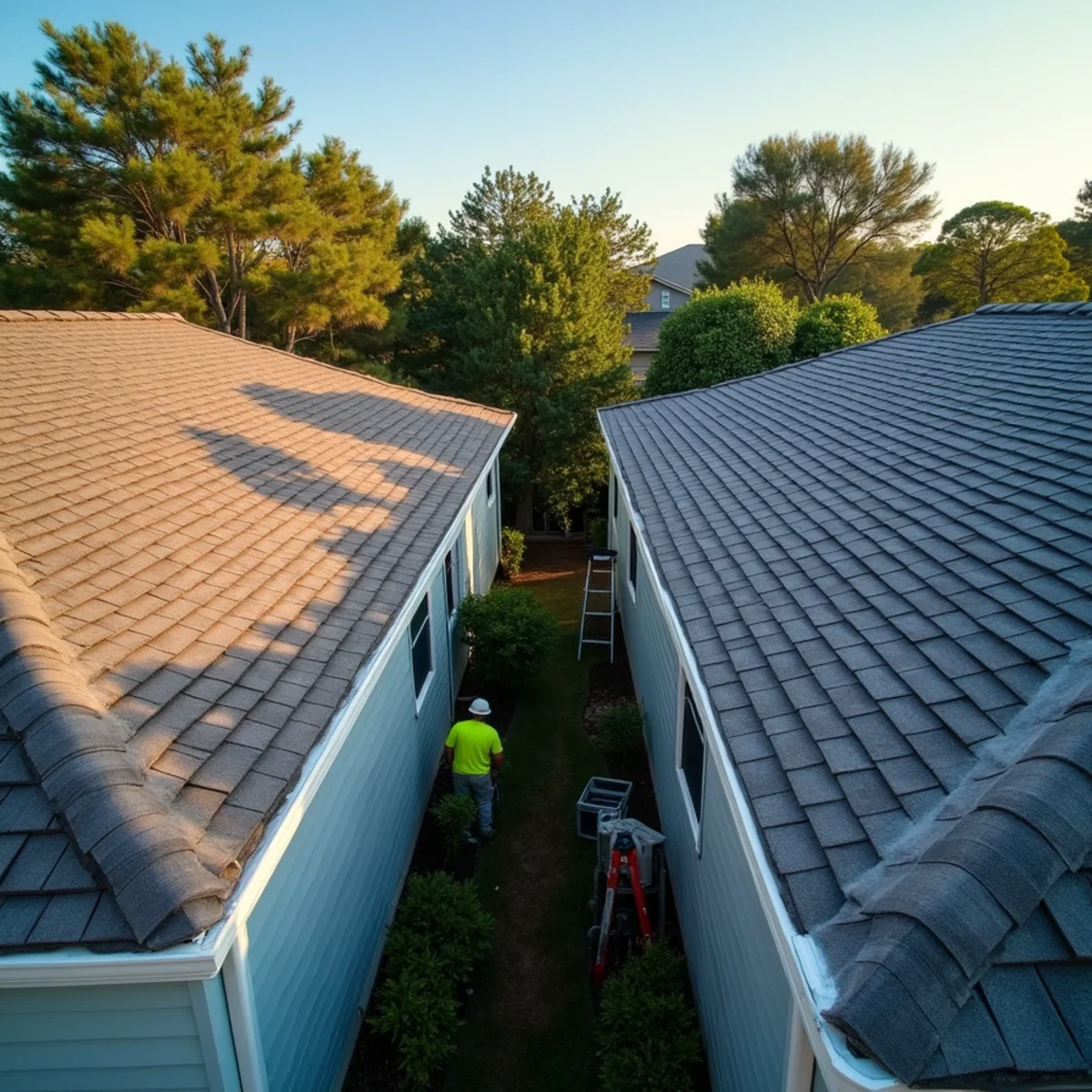
Roof geometry. A hip roof slopes down on all four sides. A gable roof has flat vertical ends. Hip roofs shed wind better and earn a better credit. To qualify as a hip roof on the form, non-hip features usually have to be under ten percent of the total perimeter. You cannot change your roofline cheaply, but it is worth knowing where your home stands.
Secondary water resistance. This is a self-adhering membrane applied to the roof deck before the underlayment and shingles go on. If wind ever peels your covering off, this layer keeps water from pouring into the house. Many older Titusville roofs do not have it. Adding it during a re-roof is a straightforward way to pick up an extra credit and real protection during our summer storms.
Opening protection. This covers impact-rated windows, doors, and hurricane shutters. To earn the full credit, every opening has to be protected, including the garage door and skylights. If you have a skylight that is not impact-rated, it can hold you back from the top tier here.
Building code and year built. Homes built under the 2001 Florida Building Code or later, and homes in the wind-borne debris region, get baseline credits just for their construction era. A lot of Titusville housing stock predates that, which is exactly why a code-compliant re-roof matters so much for older homes.
Why a new roof captures more credits than repairs
Patching keeps water out. It does not usually change what the wind mitigation form records. If your existing decking is nailed at the old spacing and your trusses are toe-nailed to the walls, a roof repair leaves those details as they were.
A full replacement is different. When the old covering comes off, the crew can inspect and re-nail the deck to current code, add clips or straps at the roof-to-wall connection where the structure allows, lay down secondary water resistance, and install a covering with a documented wind rating. Each of those is a line on the OIR-B1-1802 that can move from a weak answer to a strong one. That is the difference between a roof that just looks new and a roof that actually lowers your premium.
Material matters here too. A properly installed metal roof or a modern architectural asphalt shingle system rated for high winds both perform well on the Space Coast, where salt air and relentless UV age everything faster than inland Florida. The right choice depends on your home and budget, and a free written estimate is the place to sort that out. If you are weighing the two, our guide to metal versus shingle roofing in Titusville breaks down how each holds up here.
How much can Brevard homeowners actually save
There is no single number, because your discount depends on your carrier, your current premium, and how many features you can document. Statewide, homeowners who make wind mitigation improvements and report the results have seen meaningful annual savings, and homes with a full set of features can see a large share of the wind portion of the premium come off.
What that means in practice for a Titusville home: the stronger your roof scores across those seven categories, the more the wind credit stacks. A hip roof with code nailing, hurricane straps, secondary water resistance, a rated covering, and protected openings sits at the top of the discount ladder. A gable roof with toe nails and no membrane sits near the bottom. Two houses on the same street can pay very different wind premiums for that reason alone.
The order of operations that saves the most
Here is the practical sequence for a homeowner planning a re-roof in Brevard.
- Get a roof inspection first so you know the true condition of your deck, flashing, and structure before you commit.
- If you are replacing, make sure the scope includes re-nailing the deck to current code, upgrading the roof-to-wall connection where possible, and adding secondary water resistance. Ask for this in writing.
- Choose a covering with documented wind ratings and keep the product approval paperwork. You need it for the inspection.
- After the new roof is on, schedule your wind mitigation inspection so the inspector can record the upgraded features.
- Send the completed OIR-B1-1802 to your insurance agent and confirm the credits are applied at your next renewal.
That report is generally valid for about five years. If you re-roof or add opening protection during that window, it is worth getting re-inspected sooner so you capture the new credits instead of waiting.
A note on storm damage and claims
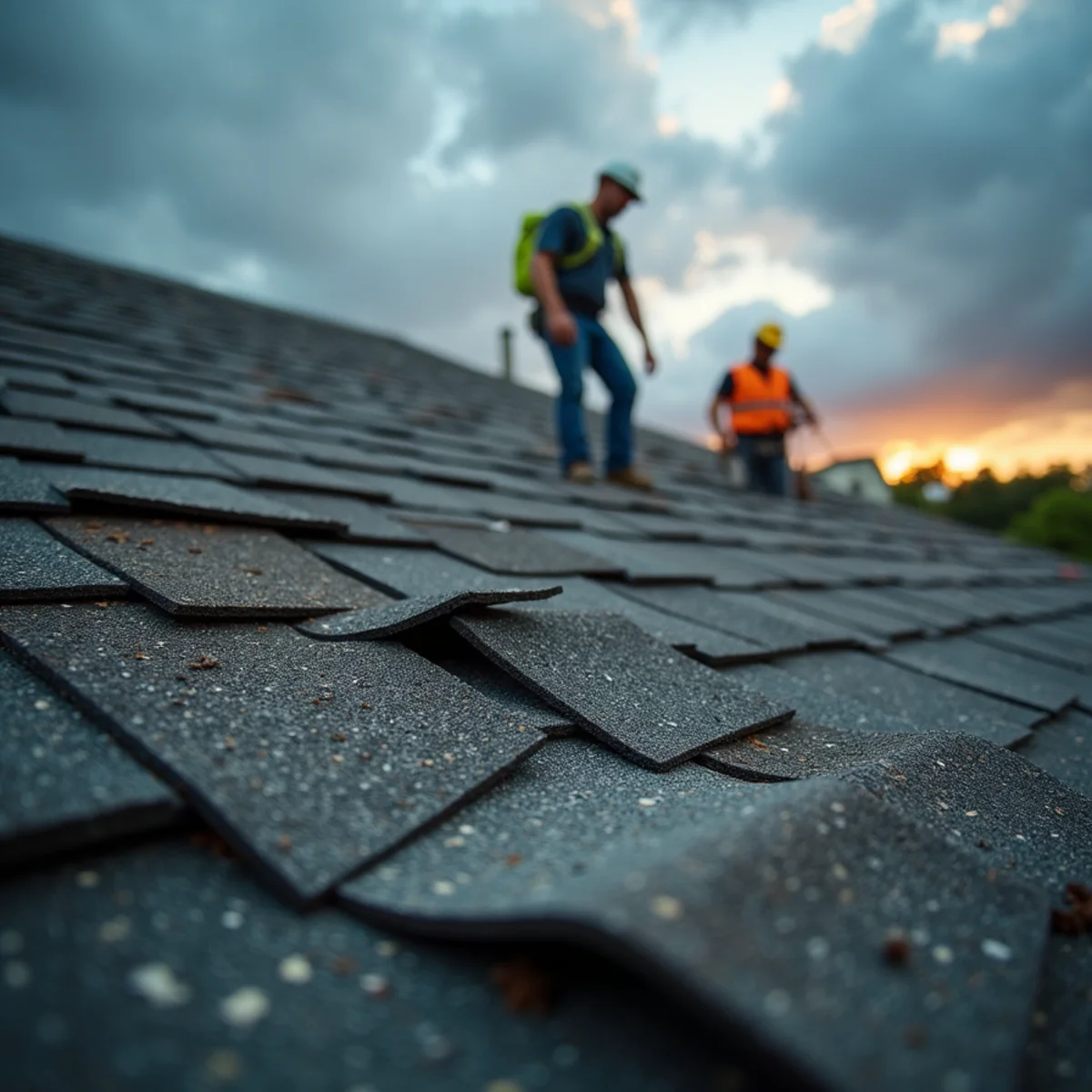
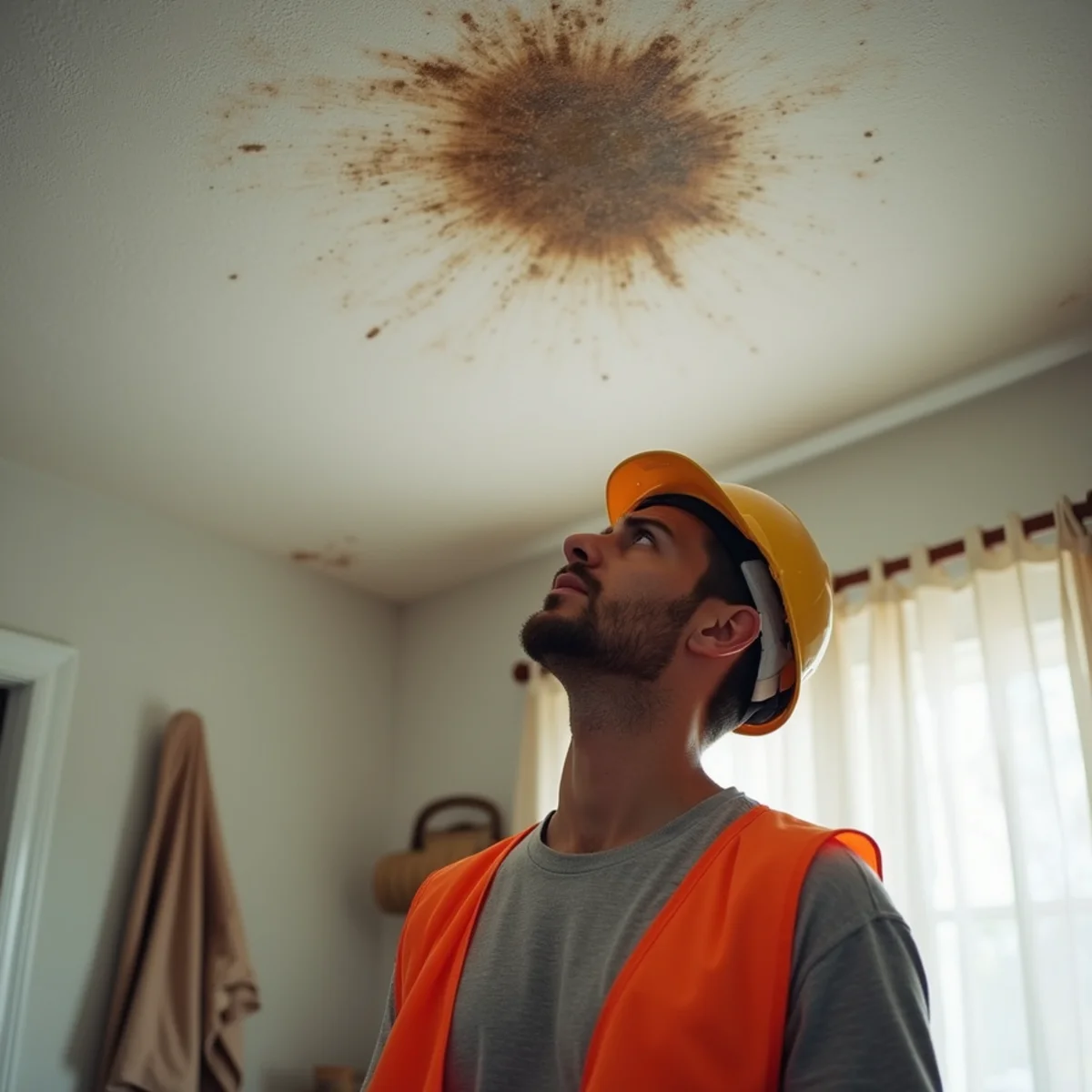
If a storm has already damaged your roof, the timing changes. Document everything before you touch it. Align Roofing Service documents storm damage in detail to support your insurance claim, though we do not file, negotiate, or guarantee the outcome. If you are dealing with an active leak or exposed decking, our emergency roof repair team is available 24/7 to get you dried in, and our storm damage roof repair crew can walk your roof and lay out your options. Getting the damage recorded properly protects both your claim and your future wind mitigation credits across Brevard County.
Ready to lower your wind premium
A new roof is a big decision, and the insurance savings are only part of it. But on the Space Coast, those savings are real, they are required by law, and they compound year after year. If you want to know where your current roof stands and what a code-compliant replacement could do for your premium, we offer free inspections and written estimates, with financing available. Call Align Roofing Service at +1 (209) 758-8550 to book your free inspection and get a clear plan for your Titusville home.
Frequently Asked Questions
How long is a wind mitigation inspection good for in Florida?
Does a new roof always lower my insurance?
What is the difference between a wind mitigation inspection and a four-point inspection?
Do I need a hip roof to get any wind mitigation credit?
Can Align Roofing handle my insurance claim?
What roofing material works best for wind resistance in Titusville?
Written by Align Roofing Service
A local roofing contractor in Titusville, FL. We help homeowners across Brevard County with honest repair-or-replace advice, free inspections, and 24/7 emergency service.
Back to all articles