Roof Maintenance Checklist for Florida Homeowners
Key Takeaways
- Salt air, UV, and fast summer rain age Space Coast roofs faster than roofs inland, so maintenance has to be steady.
- Inspect twice a year: a spring check before hurricane season is the one to never skip, plus a fall check after.
- Flashing and cracked pipe boots are the top leak sources here, and both are cheap fixes caught early.
- Clear gutters at least twice a year to stop fascia and decking rot from backed-up water.
- A wind mitigation inspection can lower your insurance premium and often pays for itself.
Roof Maintenance Florida: A Titusville Homeowner's Checklist That Actually Works
Your roof works harder in Titusville than almost anywhere else in the country. It sits under brutal UV most of the year, takes salt-laced air off the Indian River and the Atlantic, soaks through daily summer downpours, and then has to stand up to hurricane-season wind from June through November. A roof that might last 25 years in Ohio can wear out here in 15 if nobody looks after it. Good roof maintenance in Florida is not complicated, but it has to be steady and it has to match our climate. This checklist is built for real Brevard County homes, not a generic national blog.
We put maintenance on a rhythm you can actually keep. Two thorough checks a year, a few quick looks after big storms, and a short seasonal to-do list. That is it.
Why Space Coast roofs age faster
Three forces do most of the damage here, and they all speed up wear on different parts of the roof.
Salt air is the quiet one. If you live in Titusville near the river, on Merritt Island, or over toward the beachside in Cocoa Beach or Cape Canaveral, salt settles on your roof every day. It corrodes metal first. Drip edge, valley metal, nail heads, vent flashing, and gutter fasteners all rust sooner near the coast. A steel fastener that would last decades inland can weep rust stains down your roof in a few years by the water.
UV is the steady one. Central Florida sun bakes the oils out of asphalt shingles and dries out the rubber boots around your plumbing vents. That is why you see granules washing into gutters and why pipe boots crack and leak, often before anything else on the roof fails.
Water is the loud one. Our summer storms dump rain fast. A roof that sheds a light drizzle fine can still leak when two inches fall in an hour and the gutters are packed with pine needles. Add hurricane season on top, and small weak spots become open doors for wind and water.
Twice-a-year inspection schedule for Brevard
Set two dates and keep them. Spring, before hurricane season, is the important one. Fall, after the season winds down, catches any storm damage before it sits all winter.
Spring check (March through May). This is the one to never skip. You want the roof solid before June 1. Look for loose or lifted shingles, cracked pipe boots, rusted or pulled-back flashing, and any daylight or water stains in the attic. Clear the gutters so they can handle the wet season. If your roof is older or you saw wind last year, this is the right time to book a professional roof inspection and fix small things while a crew can still get to them easily.
Fall check (October through November). Once the tropics quiet down, walk the roof from the ground again and get back in the attic. You are looking for anything the storms loosened: shifted shingles, lifted ridge caps, new stains, debris piled in valleys. Catching it now beats finding a soft ceiling in February.
Between those, do a five-minute look after any storm that brings real wind or hail. You do not need to climb up. Most damage shows from the ground or from your neighbor's yard.
The full roof maintenance checklist
Work through these areas. Some you can handle yourself from the ground or the attic. Others need a pro on the roof.
Shingles and roof surface. Scan for missing, cracked, curling, or lifted shingles. Curling edges and bald spots where the granules have worn off mean sun damage and a roof that is getting tired. A few damaged shingles are a normal repair. Widespread curling across the whole roof usually points toward roof replacement sooner rather than later. If you have a tile roof, look for cracked, slipped, or broken tiles, especially along ridges and hips where wind gets under them.
Flashing. Flashing is the metal that seals the tricky spots: around the chimney, along walls, in valleys, and around skylights. It is the number one leak source on Space Coast roofs because salt air rusts it and sun dries the sealant. Look for rust, gaps, or caulk that has cracked and pulled away. Bad flashing is a common and fixable problem, and flashing repair is far cheaper than the ceiling damage a leak causes.
Pipe boots and vents. The rubber collars around your plumbing vent pipes are the first thing to fail in our climate. UV cracks them in as little as seven to ten years. Look for splits in the rubber. A cracked boot is a small part but a real leak, and a slow one that rots the decking before you notice.
Gutters and drainage. In Brevard, gutters clog with pine needles, oak leaves, and washed-off granules. Clogged gutters back water up under the roof edge and rot the fascia and decking behind it. Clear them at least twice a year, more if you have pines or oaks overhead. If you would rather not get on a ladder, gutter cleaning is quick for a crew. Make sure downspouts push water well away from the foundation.
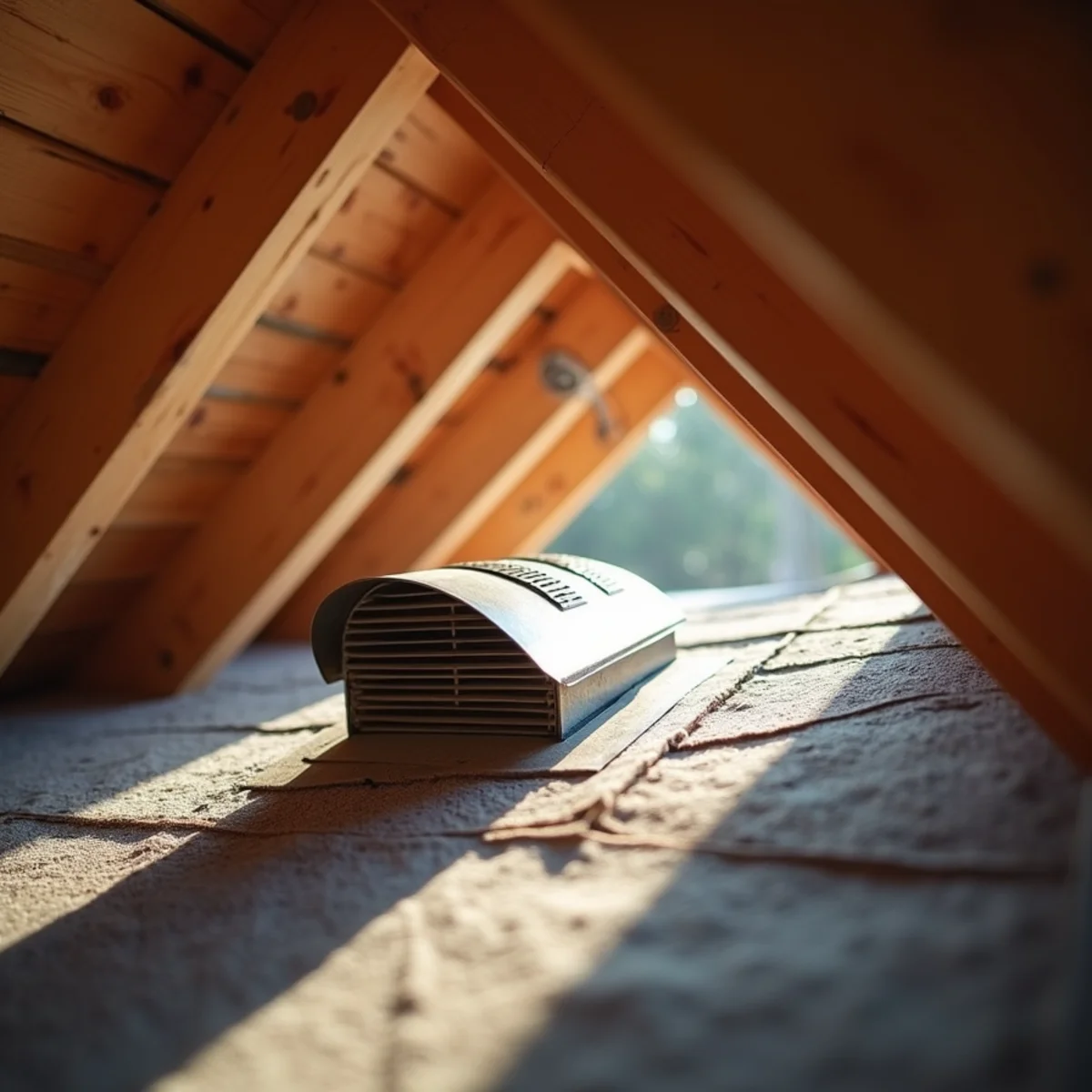
Attic and ventilation. Half of roof health is under the roof. Get in the attic with a flashlight after a hard rain. Water stains, damp insulation, or daylight through the deck all mean trouble. Also feel the air. A brutally hot, stuffy attic in summer means poor airflow, and trapped heat cooks your shingles from below and drives up your cooling bill. Weak or blocked ventilation is worth fixing, and roof ventilation repair pays you back in a longer roof life and lower power bills.
Soffit and fascia. These are the boards under your eaves. Look for peeling paint, soft spots, or wood you can push a screwdriver into. Rot here often means a gutter or drainage problem has been going on a while, and it gives wind a place to grab during a storm. Damaged soffit and fascia also lets in wasps, wildlife, and moisture.
Skylights. If you have them, check the seals and the flashing around the frame for cracks and stains on the interior ceiling. Skylights leak at the edges, not the glass.
Algae streaks. Those black streaks running down Florida roofs are algae, not dirt. They love our humidity. They are mostly cosmetic early on, but they hold moisture against the shingle. Skip the pressure washer. High pressure blasts the protective granules right off and voids many shingle warranties. A gentle soft wash is the safe way to clean them.
Hurricane season prep for the Space Coast
Living on the Space Coast means the roof has to be storm-ready by June 1, not scrambling when a cone shows up on the news. Do this in spring.
Tighten up the roof first. Lifted shingles, loose ridge caps, worn flashing, and cracked boots are exactly the spots wind and water attack. Fix them before a storm, not during the rush after one. Trim back tree limbs that hang over the roof so they cannot break off and punch through.
Check for hurricane straps. These are the metal connectors that tie your roof structure to the walls. Newer Florida homes have them by code, but many older Titusville and Brevard homes built before the code tightened may not. They make a real difference in how your roof handles wind uplift.
There is also a money side. A wind mitigation inspection documents features like roof-to-wall connections, roof deck attachment, and roof shape. Florida insurers give premium discounts for these, and for many homeowners the credits more than cover the cost of the inspection. It is one of the few roof-related things that can lower a bill instead of raising it.
If a storm does hit and you take damage, act fast but stay off the roof yourself. Photograph everything from the ground, and call for storm damage roof repair. We document storm damage thoroughly, and that written record supports your insurance claim. If water is actively coming in, emergency roof repair can tarp and stop the damage before it spreads.
What to do yourself and what to leave to a pro
Do yourself: clear gutters if you are comfortable on a ladder, walk the perimeter and look up, check the attic after rain, watch for interior ceiling stains, trim overhanging branches. These are safe, useful, and free.
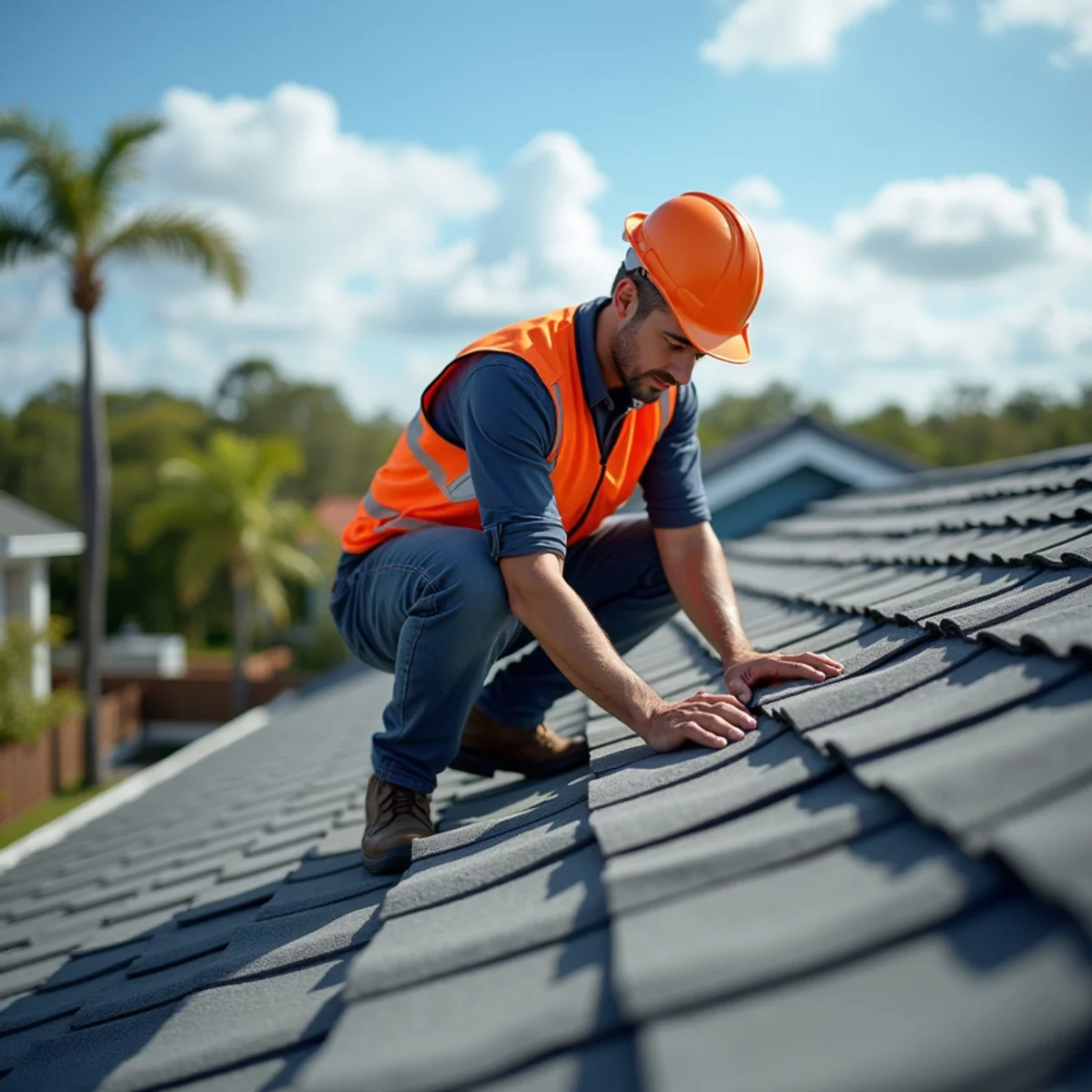
Leave to a pro: anything that means walking on the roof, close-up flashing and shingle work, tile repairs, and any leak you cannot trace. Florida roofs are steeper and slicker than they look, and a fall is not worth it. A trained eye also catches early wear you would walk right past.
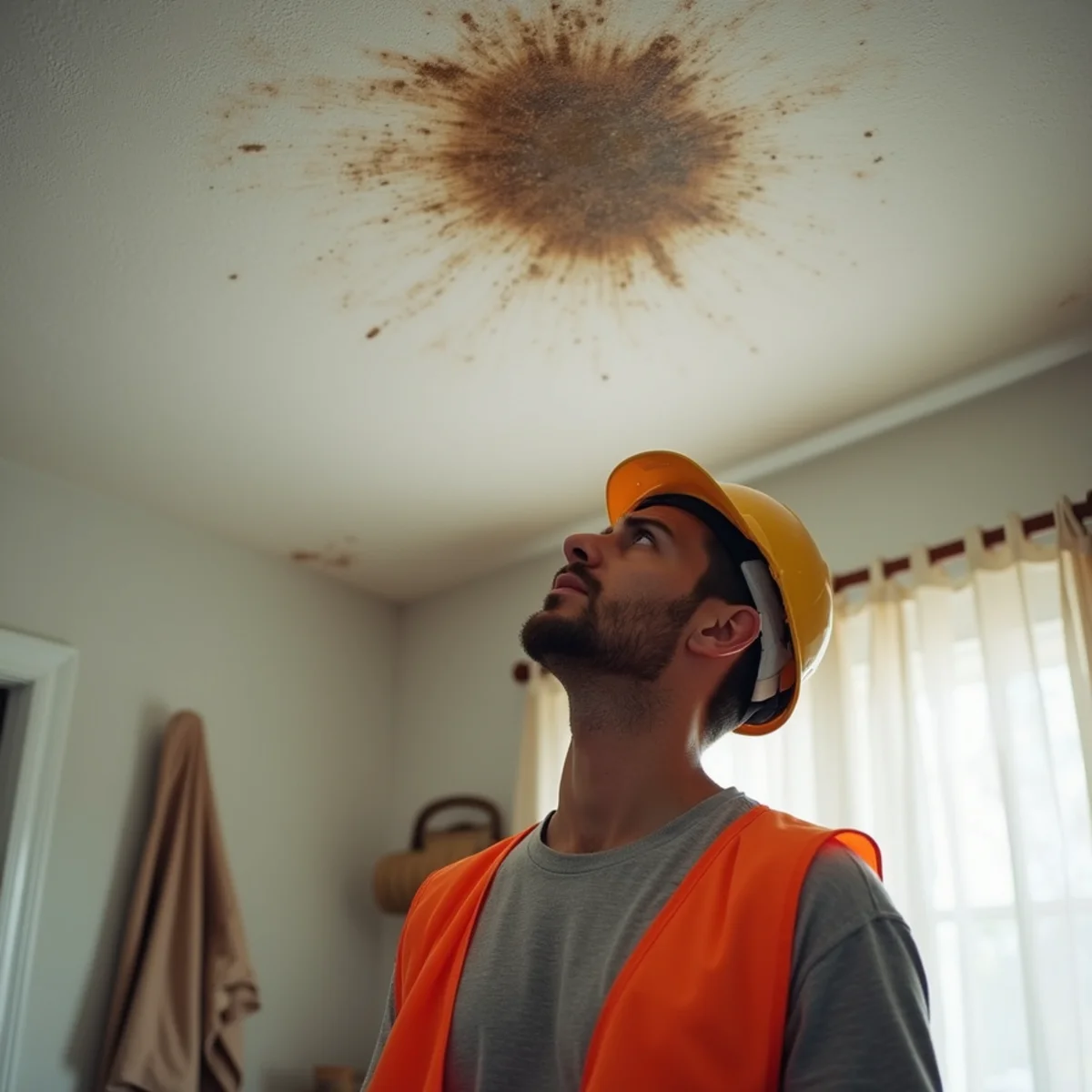
Do not wait for a leak. By the time water shows on your ceiling, it has usually been getting into the decking for a while. The whole point of a maintenance rhythm is to catch the cheap fix before it becomes an expensive one. A minor roof leak repair today beats replacing rotted decking and drywall later.
Match the maintenance to your roof type
Asphalt shingle is the most common roof around here. Watch granule loss, cracked boots, and lifted tabs. Learn more about asphalt shingle roofing.
Metal stands up to wind and lasts a long time on the Space Coast, but the fasteners and seams need checking, especially near salt air. See metal roofing.
Tile handles heat and salt well and lasts for decades, but individual tiles crack and slip, and the underlayment beneath them still wears out. Details on tile roofing.
Flat and low-slope roofs, common on additions and commercial buildings, need standing water and seams watched closely. See flat roofing.
Whatever you have, a steady maintenance plan through our roof maintenance service keeps it on schedule so nothing slips through.
Book a free inspection
Steady maintenance is the cheapest thing you can do for a roof in this climate. Align Roofing Service is right here at 688 S Park Ave in Titusville, and we work across Brevard County. We offer free inspections and written estimates, financing is available, and we are here 24/7 for emergencies. Call us at (209) 758-8550 to book your free roof inspection and get ahead of the next storm season.
Frequently Asked Questions
How often should I have my roof inspected in Florida?
Does salt air really damage my roof if I live in Titusville?
Can I pressure wash the black streaks off my roof?
What roof maintenance can I safely do myself?
How do I get my roof ready for hurricane season?
What is a wind mitigation inspection and is it worth it?
Written by Align Roofing Service
A local roofing contractor in Titusville, FL. We help homeowners across Brevard County with honest repair-or-replace advice, free inspections, and 24/7 emergency service.
Back to all articles