Salt Air and Your Roof: Protecting Space Coast Homes From Salt Air Roof Damage in Florida
Key Takeaways
- Salt air holds moisture against metal and speeds up rust on fasteners, flashing, and vents long before the roof surface looks worn.
- Titusville sits between the Atlantic and the Indian River Lagoon, so salt reaches roofs even miles from the beach.
- Asphalt shingles lose granules and dry out faster near the coast, while metal parts corrode first at fasteners and cut edges.
- A twice-a-year fresh-water rinse and inspection catches most salt damage while it is still cheap to fix.
- Aluminum, stainless fasteners, and marine-grade coatings outlast standard hardware in Space Coast salt air.
Salt Air and Your Roof: Protecting Space Coast Homes Near the Indian River
If you live in Titusville, your roof is fighting a slow, quiet war it never signed up for. Salt air roof damage in Florida is real, and homes along the Indian River Lagoon get a heavy dose of it. The Atlantic sits just past the barrier island to our east, the prevailing sea breeze pushes salt-laden air inland day after day, and the lagoon itself keeps the humidity high. That combination works on your roof around the clock, whether you notice it or not.
Most homeowners think salt only matters if they can see the ocean from the porch. Not true. Salt particles ride the wind well past the beach. On the Space Coast, homes several miles from open water still collect a fine film of salt on their roofs, gutters, and flashing. The damage is gradual, it hides in the parts of the roof you never look at, and by the time it shows up as a leak, it has usually been building for years.
Here is what salt air actually does, how to spot it early, and what holds up best in a place like Brevard County.
Key Takeaways
- Salt air pulls moisture from humid Space Coast air and holds it against metal, which speeds up rust on fasteners, flashing, and vents long before the roof surface looks bad.
- Titusville sits between the Atlantic and the Indian River Lagoon, so salt reaches roofs even miles from the beach.
- Asphalt shingles lose granules and dry out faster near the coast; metal components corrode fastest at the fasteners and cut edges.
- A twice-a-year rinse and inspection catches most salt damage while it is still cheap to fix.
- The right materials matter here: aluminum, stainless fasteners, and marine-grade coatings last far longer in salt air than standard hardware.
How Salt Air Attacks a Roof
Salt is stubborn because it loves water. Sodium chloride draws moisture straight out of humid air, and on the Space Coast we have plenty of humidity to give. So instead of a dry crust of salt sitting harmlessly on your roof, you get a damp, salty film that clings to metal and stays wet far longer than plain rainwater would.
That film is what does the harm. Wet salt speeds up the natural rusting of steel and iron. It eats through thin protective coatings. It gets into tiny scratches and cut edges where bare metal is exposed. Once corrosion starts under a fastener head or along a flashing seam, it keeps spreading even on dry days because the salt keeps pulling in new moisture.
Rain helps, but it does not solve the problem. A hard summer downpour rinses some salt off the open, sloped parts of your roof. It does not reach the sheltered spots, and those sheltered spots are exactly where salt builds up: under the drip edge, behind the fascia, inside the gutters, around vent boots, and in the valleys where two roof planes meet. Those areas quietly collect salt for years.
Why Titusville Roofs Take a Bigger Hit
Location makes all the difference, and ours is tough on roofs. Titusville sits on the west bank of the Indian River Lagoon. Just across the water is Merritt Island, and past that the barrier island and the open Atlantic. Our afternoon sea breeze blows from the east most of the year, and it carries salt right across the lagoon and into town.
Add the rest of the local climate and you have a demanding environment for any roof. Long, intense UV exposure bakes shingles from spring through fall. Summer brings near-daily thunderstorms and driving rain. Hurricane season stretches from June into November, and even a glancing storm coats everything in a fresh layer of salt spray. Each of these stresses a roof on its own. Together, they wear a roof out faster than the same roof would age a couple hundred miles inland.
This is why a roof that might last 25 or 30 years elsewhere can show its age much sooner on the Space Coast. It is not that the materials are bad. It is that they are working harder here.
What Salt Does to Asphalt Shingles
Most homes in Brevard County have asphalt shingles, so start there. Salt does not rust a shingle, but it still shortens its life in a few ways.
The granules on top of a shingle are its sunscreen. They shield the asphalt underneath from UV. Salt, wind, and constant weather knock those granules loose over time. Once bald spots form, the exposed asphalt dries out, gets brittle, and cracks. You may notice granules washing into your gutters or piling up at the bottom of downspouts. That is an early sign the surface is wearing thin.
Salt also works on the adhesive strips that seal each shingle to the one below it. Those seals are what keep shingles flat in high wind. When salt and heat weaken them, edges lift and curl. A lifted shingle catches wind, and in a place with our storm season, that is how a small problem turns into missing shingles and a leak. If your shingles are curling, streaked, or shedding granules, it is worth a roof inspection before the next storm rather than after. When damage is limited, targeted roof repair can add years to a roof that still has life in it.
What Salt Does to Metal Parts
Every roof has metal on it, even a shingle roof. Flashing around the chimney and skylights, drip edge along the eaves, vent boots and pipe collars, gutters, and hundreds of fasteners. These are the first things salt goes after.
Corrosion almost always starts at the fasteners and the cut edges of metal, because that is where bare metal is exposed. A rusting nail or screw loses its grip. Rusting flashing develops pinholes and lets water sneak in behind it. On a full metal roof, standard steel panels can streak and corrode along seams and edges if the coating was not built for coastal use.
The fix is choosing the right metal in the first place. Aluminum does not rust the way steel does, which makes it a strong choice near salt water. Stainless steel fasteners hold up far better than plain galvanized nails. Marine-grade and PVDF factory finishes on metal panels resist salt corrosion much longer than a basic paint layer. If you are weighing a new roof, metal roofing built for a coastal setting is one of the longest-lasting options on the Space Coast, and worn or leaking flashing repair is a common early job that protects the rest of the roof.
The Quiet Damage You Cannot See
The worst part of salt damage is that most of it happens out of sight. Salt does not just sit on the shingles. It works into the attic and the roof structure through the same spots that let air move.
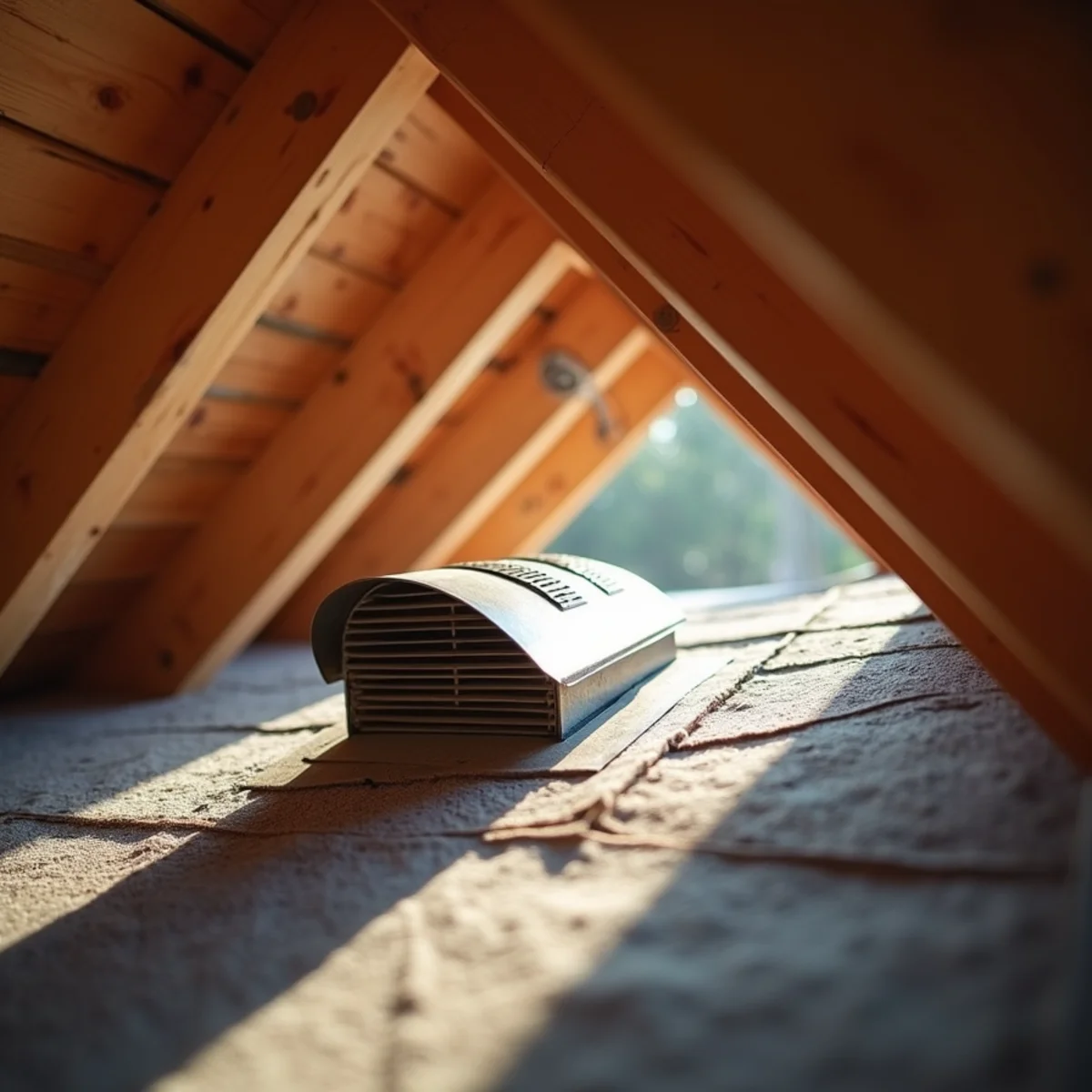
Your attic vents, soffits, and ridge lines all breathe humid, salty air. Over years, that air can corrode metal vent components and hold moisture against wood framing. Poor airflow makes it worse, because trapped humid air has nowhere to go and it stays in contact with the underside of the roof deck. Good attic ventilation keeps that air moving and helps the whole roof dry out between storms. The soffit and fascia along your eaves take a beating too, since they sit right in the path of the incoming sea breeze and often show corrosion or rot first.
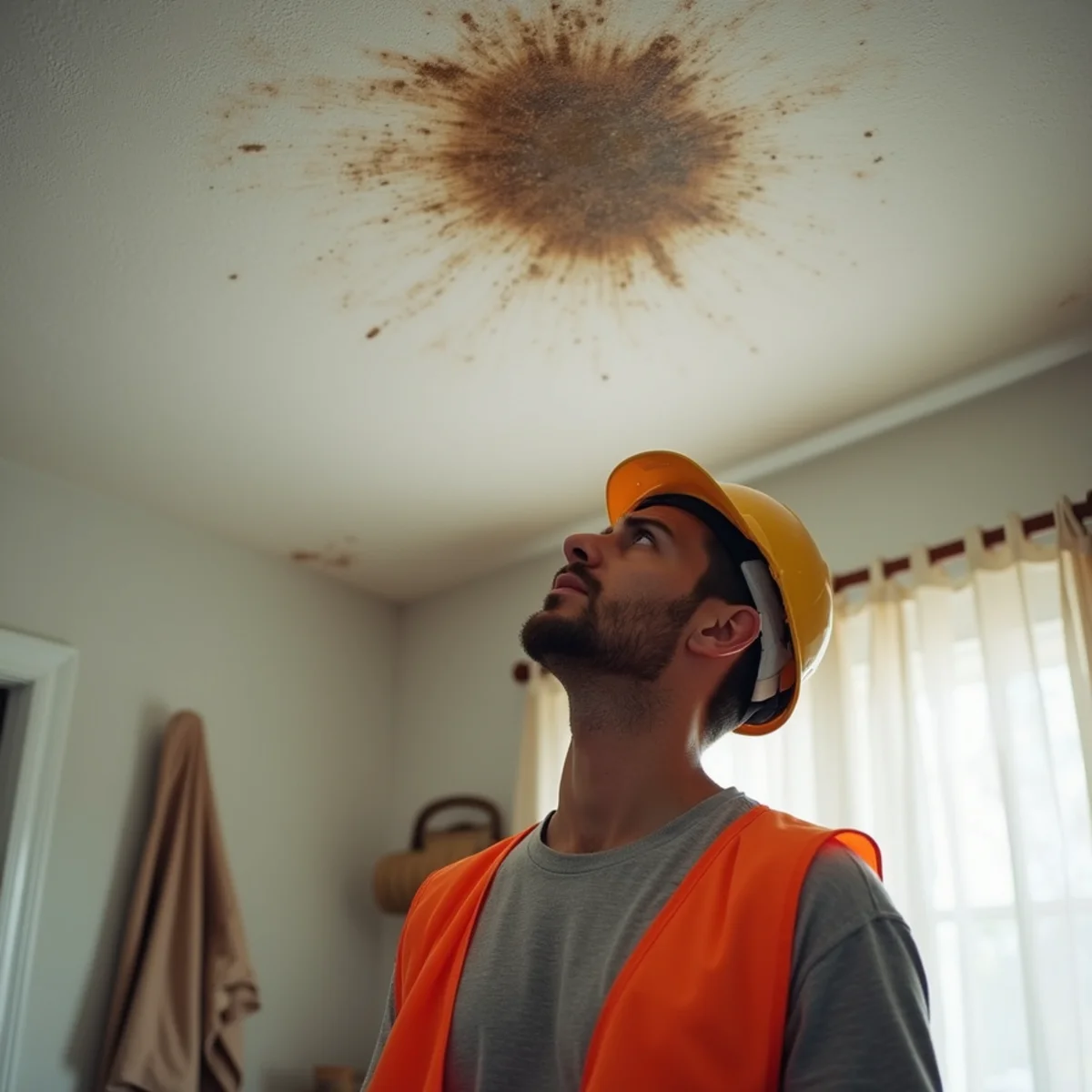
Because so much of this is hidden, salt damage tends to get discovered late. A homeowner sees a ceiling stain, calls for help, and finds the real trouble started in the flashing or the deck a long time back.
Warning Signs to Watch For
You do not need to climb on the roof to catch salt damage early. Most of it is visible from the ground or from a ladder at the eaves. Look for these:
- Rust streaks or orange staining on flashing, vents, gutters, or fastener heads
- Granules collecting in gutters and at the base of downspouts
- Shingles that are curling, cupping, or have bald, darker patches
- Lifted or loose shingles, especially along edges and ridges
- White, chalky salt buildup on metal parts that never seems to rinse away
- Pitting or flaking on painted metal, and any bare metal showing through
- Recurring leaks or ceiling stains after storms
If you spot any of these, do not wait for hurricane season to make the decision for you. A quick look now is cheaper than emergency work later.
How to Protect Your Roof Here
You cannot move the ocean, but you can slow salt down. A few habits go a long way on the Space Coast.
Rinse the salt off. A couple of times a year, gently hose down the metal parts of your roof and your gutters with fresh water. This washes away built-up salt before it can settle in and start corroding. Do it in dry weather so nothing stays damp longer than it needs to.
Keep the gutters clean. Clogged gutters hold salty water against your fascia and eaves and never let it drain. Clean gutters move water and salt off the roof fast, which is exactly what you want here. Regular gutter cleaning is one of the simplest ways to protect the edges of your roof.
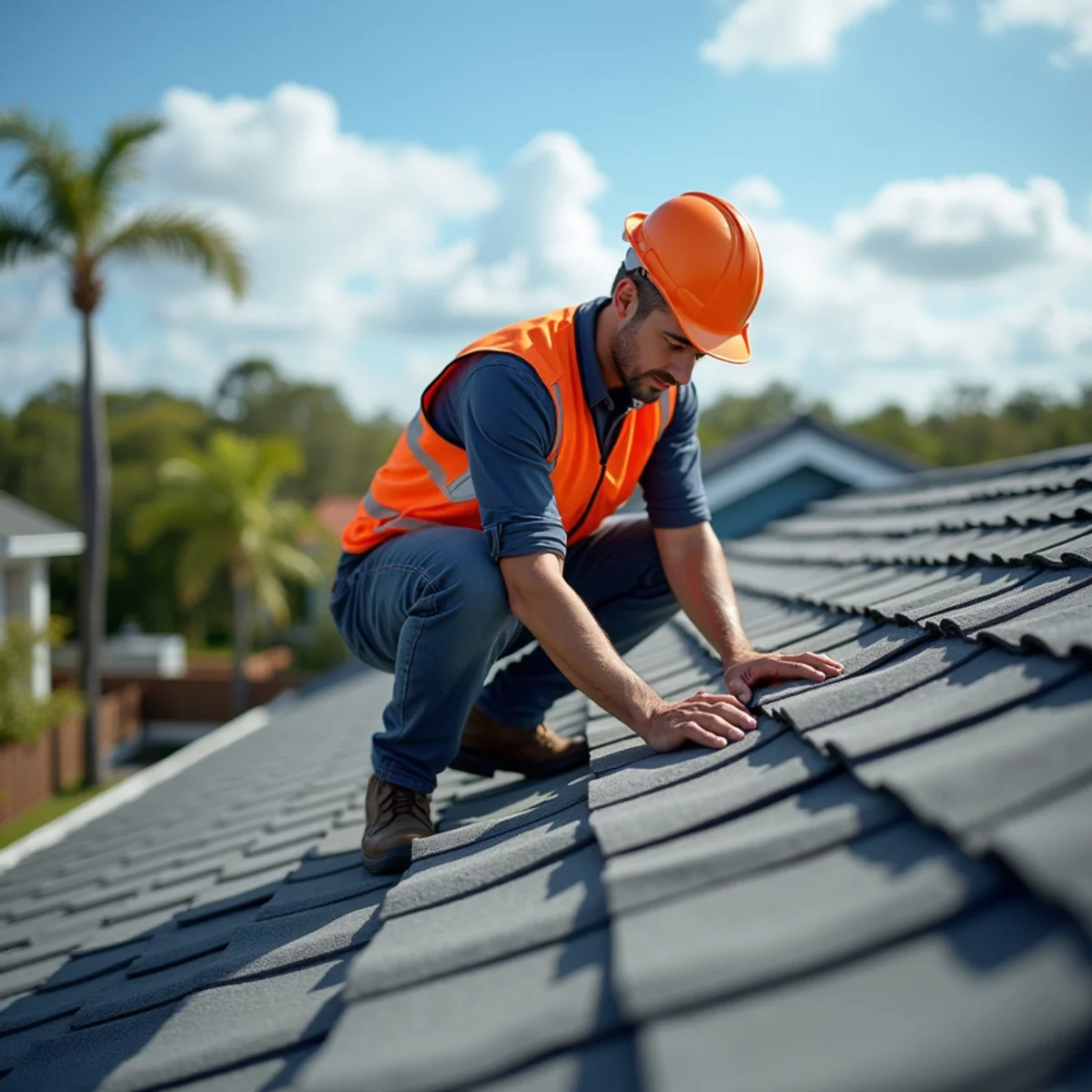
Inspect twice a year. For coastal homes, once a year is not really enough. A spring and fall check lets you catch corrosion, worn seals, and lifted shingles while they are small. Getting an inspection before hurricane season and again after gives you a clear before-and-after if a storm does hit.
Fix the small stuff fast. A single rusted fastener, one cracked vent boot, a short run of tired flashing. These are cheap and quick on their own. Left alone, they become the leak that soaks your insulation and stains your ceiling. Staying on top of roof maintenance is the whole game near the coast.
When Storms and Salt Team Up
Salt weakens a roof, and storms find the weak spots. That is the real risk during our hurricane season. Shingles with tired adhesive lift more easily in high wind. Corroded fasteners let go sooner. Flashing that has been thinning for years is the first thing to fail when the rain drives sideways.
That is why coastal roofs need attention before the season, not just after a named storm. If a storm has already come through, we document storm damage in writing and with photos so you have a clear record for your insurance company, and we handle emergency roof repair around the clock when a roof is open to the weather. We document and support your claim. We do not file it or negotiate it for you, and we are straight with homeowners about that.
Talk to a Local Roofer Who Knows the Space Coast
Salt air is just part of owning a home near the Indian River. You do not have to fight it blind. Align Roofing Service is based right here at 688 S Park Ave in Titusville, and we work on homes and businesses across Brevard County every week. We know how salt, sun, and storms wear on a roof in this exact part of Florida, and we know what holds up.
If your roof is showing any of the warning signs above, or you just want a straight answer on how much life it has left, call Align Roofing Service at (209) 758-8550 for a free inspection and a written estimate. No pressure, no scare tactics, just a clear look at your roof and honest options. Financing is available if you need it, and we handle both residential and commercial roofs.
Frequently Asked Questions
Does salt air really reach roofs in Titusville if I cannot see the ocean?
How often should I have my roof inspected on the Space Coast?
Which roofing material holds up best against salt air here?
Can I rinse my own roof to remove salt?
What are the first signs of salt damage I should look for?
Does my homeowners insurance cover salt air roof damage?
Written by Align Roofing Service
A local roofing contractor in Titusville, FL. We help homeowners across Brevard County with honest repair-or-replace advice, free inspections, and 24/7 emergency service.
Back to all articles