Why Roof Ventilation Matters in Titusville Homes: A Guide to Roof Ventilation Repair in Titusville FL
Key Takeaways
- Attic ventilation is a loop: cool air enters low at the soffits, hot damp air exits high near the ridge. Both halves must work or neither does.
- Titusville attics can top 130 degrees in summer, and constant Space Coast humidity makes trapped moisture a year-round threat, not a seasonal one.
- Warning signs include a hot second floor, rising cooling bills, curling or brittle shingles, rusty nails, and a musty attic smell.
- Roofers size venting at roughly one square foot of vent area per 300 square feet of attic floor, split about half intake and half exhaust.
- Salt air corrodes cheap vents and fasteners fast on the coast, so material choice matters as much as vent count.
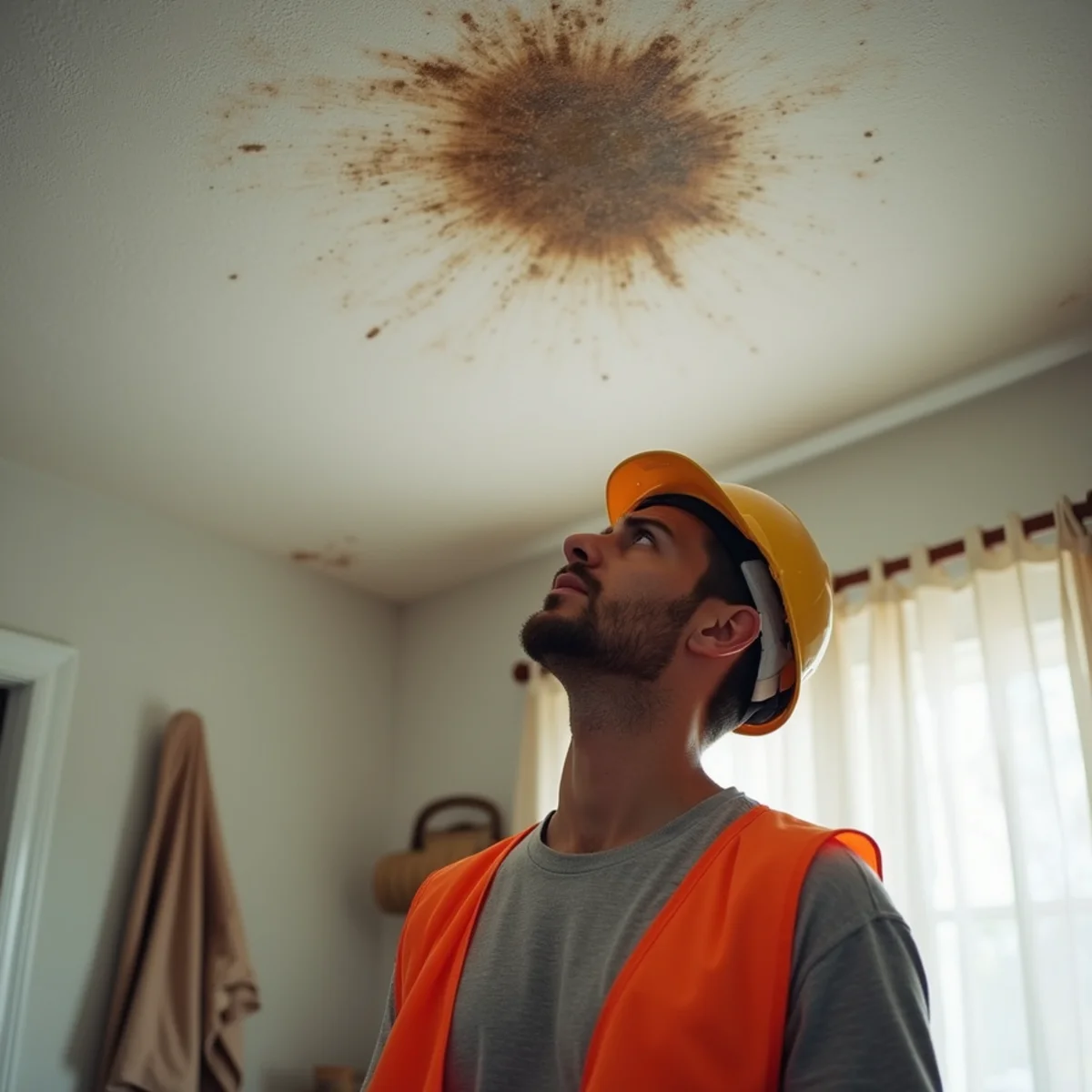
Most people never think about attic airflow until something forces them to. A brown ring shows up on the hallway ceiling. The upstairs bedroom feels like a parked car by two in the afternoon. The AC runs nonstop and the power bill keeps climbing anyway. A lot of the time the shingles are fine. The problem is the air trapped underneath them. That is why roof ventilation repair in Titusville FL is worth understanding before a small airflow problem turns into a rotted deck, ruined insulation, or a mold issue you can smell from the second floor.
This guide walks through how attic ventilation actually works, why it matters more here on the Space Coast than almost anywhere else, the warning signs of a failing system, and what a real repair looks like.
Key Takeaways
- Attic ventilation works as a loop: cool air enters low through the soffits and hot, damp air exits high near the ridge. Both halves have to work or neither does.
- In Titusville, attic temperatures can pass 130 degrees on a still summer day, and constant humidity off the Indian River Lagoon and the Atlantic makes trapped moisture a year-round threat.
- Bad ventilation shows up as high cooling bills, a hot second floor, curling or brittle shingles, rusty nails, and mold or a musty smell in the attic.
- The common building guideline is one square foot of vent area for every 300 square feet of attic floor, split roughly half intake and half exhaust.
- Salt air corrodes cheap vents and fasteners faster than inland areas, so material choice matters on the coast.
What Roof Ventilation Actually Does
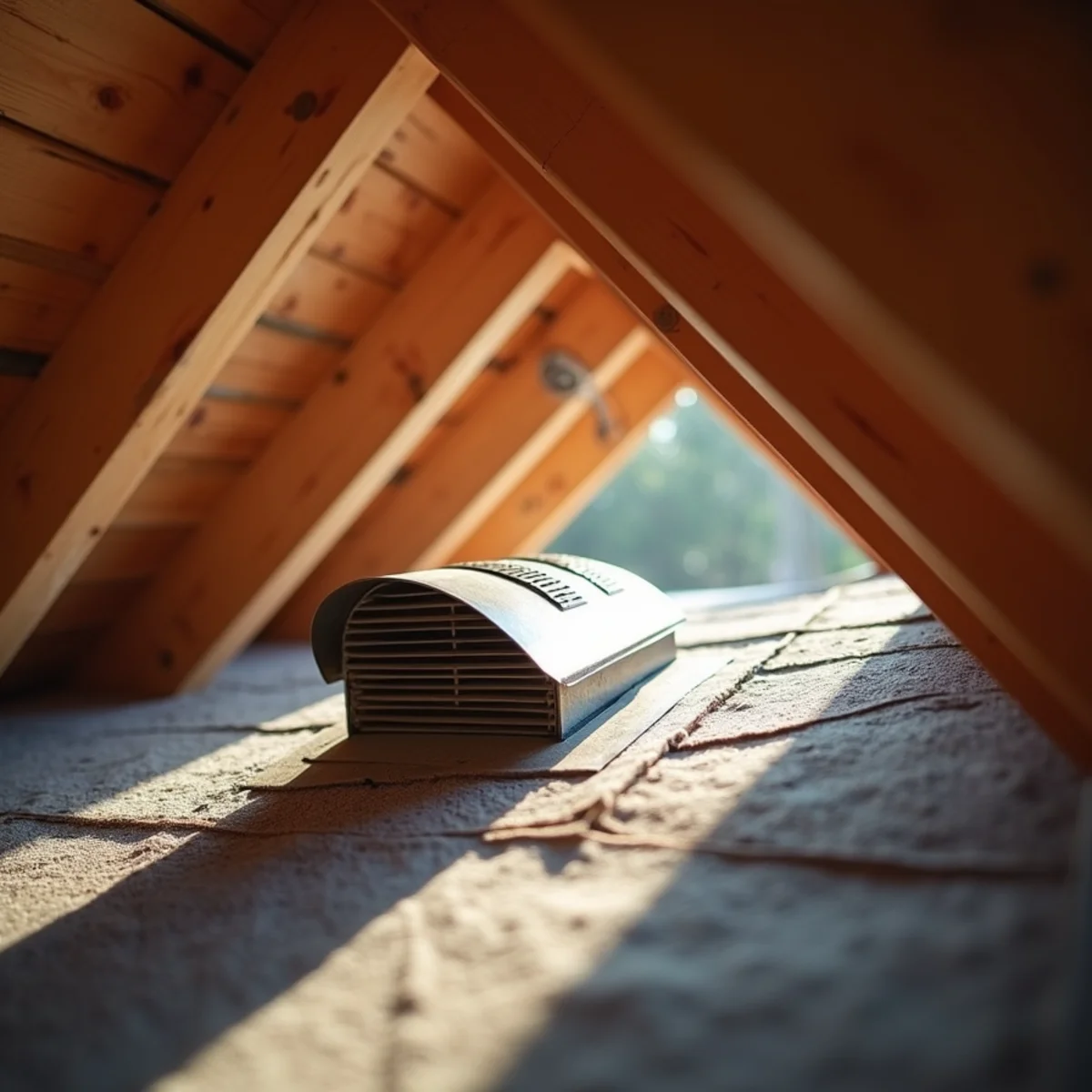
Your attic needs to breathe. Air comes in low, usually through vents in the soffits under the eaves, and it leaves high, through ridge vents or roof vents near the peak. Warm air rises and pulls cooler air in behind it. That steady in-and-out flow moves hot, damp air out of the attic before it can build up against the underside of your roof.
When the loop works, the attic stays closer to the outdoor temperature and dries out on its own. When it stalls, heat and moisture get stuck. In our climate that adds up fast, and it works on your roof from the inside where you never see it.
The part most homeowners miss is that ventilation is a loop, not a single vent. You need intake and exhaust in balance. If you have plenty of ridge vent up top but the soffit vents are painted shut or stuffed with insulation, the system pulls air from wherever it can get it, sometimes back down through the ridge itself. That is called short-circuiting, and it means half your roof gets no airflow at all. Adding more exhaust to a house that lacks intake usually makes things worse, not better.
The Balance Rule Worth Knowing
Roofers size ventilation with a simple ratio. The common guideline is one square foot of net free vent area for every 300 square feet of attic floor, split about half intake down low and half exhaust up high. So a 1,500 square foot attic wants roughly five square feet of total venting, balanced top and bottom. Older Titusville homes were often built with far less than that, and additions or re-roofs sometimes cover soffit vents without adding new intake. A proper roof inspection checks the actual numbers instead of guessing.
Why It Matters More on the Space Coast
Summers here are long and punishing. On a still July afternoon an attic can push well past 130 degrees. That heat radiates straight down into your living space and forces your AC to run harder for longer. It also cooks your roof from below. Trapped heat bakes the asphalt shingles and dries out the adhesive strips and the wood decking, which is a big reason shingles start curling and getting brittle years before they should.
Then there is moisture. We live between the Atlantic and the Indian River Lagoon, so humidity is a constant, not a season. Warm, wet air that gets stuck in a poorly vented attic condenses on cooler surfaces at night. That is where mold, mildew, wood rot, and rusted nails come from. In a bad case the plywood decking loses its grip on the fasteners and the roof starts to feel spongy underfoot.
Salt air makes it worse. Coastal Brevard County homes sit in a corrosive environment, and cheap galvanized vents, screens, and nails rust out faster here than they do inland. When we look at ventilation on a coastal home, material choice matters as much as vent count. This is the same reason metal roofing needs coastal-rated fasteners here. A vent that corrodes and cracks becomes a moisture entry point, which turns a ventilation problem into a leak.
Hurricane season adds one more wrinkle. Wind-driven rain during a summer storm can push water up and into vents that were never sized or sealed for that kind of pressure. Off-ridge box vents and older turbines are common weak spots. If you had water show up in the attic after a storm, ventilation hardware is one of the first things worth checking, and it often ties into a larger storm damage roof repair conversation.
Warning Signs Your Ventilation Is Failing
You do not need to climb into the attic to catch most of these.
- Second floor that will not cool down. If upstairs rooms run hot no matter how low you set the thermostat, trapped attic heat is usually part of it.
- Cooling bills creeping up with no change in your habits. Your AC is fighting a superheated attic.
- Curling, cracking, or brittle shingles, especially on the sunny side of the roof. Heat from below ages them early.
- A musty smell in upstairs rooms or when you open the attic hatch. That is trapped moisture.
- Rusty nail tips, dark stains, or frost-like moisture on the underside of the decking if you do look inside.
- Peeling paint or stained ceilings near the top of the house.
- Icing is not our problem here, but wasps, mud daubers, and rodents nesting in clogged soffit vents are, and a blocked vent is a dead vent.
Any one of these can have other causes. Two or three together usually point back to airflow. When trapped moisture has already caused a stain or a soft spot, it often becomes a roof leak repair as much as a ventilation fix.
The Main Types of Attic Ventilation
There is no single right system. What fits depends on your roof shape, your existing setup, and how the two halves balance out.
- Soffit vents are the intake. They sit under the eaves and let cool air in. On many older Titusville homes these are the weak link, blocked by insulation or paint. Fixing intake is often the highest-value repair because nothing else works without it.
- Ridge vents run along the peak and exhaust hot air across the whole top of the roof. Paired with good soffit intake, this is the most even, low-profile system for most homes.
- Gable vents sit in the end walls. They work, but they can short-circuit a ridge system if both are present, so they need to be looked at as part of the whole picture.
- Off-ridge and box vents are the square vents you see dotting some roofs. Simple and cheap, but easier for wind-driven rain to reach in a storm.
- Turbine vents spin with the wind. They move air but the moving parts wear out and seize, and coastal salt is hard on them.
- Powered and solar attic fans actively pull air out. They can help specific problem roofs, but on a house with weak intake a powered fan can pull conditioned air out of your living space and drag your energy bill the wrong way. They are a targeted tool, not a default fix.
Matching the right mix to your roof is the whole job. That is why ventilation work goes hand in hand with soffit and fascia repair and gets addressed during any roof replacement, when the whole system can be balanced from scratch.
What a Ventilation Repair Actually Involves
A good repair starts with counting, not selling. We measure the attic, add up the real intake and exhaust you have now, and compare it to what the roof needs. From there the work usually falls into a few buckets: clearing or adding soffit intake, adding or correcting ridge or roof exhaust, sealing off vents that are short-circuiting the loop, swapping corroded coastal hardware for rated materials, and making sure insulation is not choking the airflow at the eaves with baffles where needed.
Sometimes the fix is small and targeted, and it fits neatly into routine roof maintenance. Other times, on a roof that is already near the end of its life, it makes more sense to correct the whole ventilation design during a re-roof so you are not paying twice. A written estimate should tell you plainly which situation you are in.
We also document what we find. If storm damage or wind-driven rain is part of the ventilation problem, we take photos and notes that you can hand to your insurer to support a claim. To be clear, we document damage to help your case; we do not file or negotiate the claim for you. If you want a hand understanding that process, our insurance claim assistance page explains how we support it.
A Quick Word on Cost and Timing
Ventilation repairs are usually one of the more affordable roofing jobs, and they tend to pay you back through lower cooling bills and a roof that lasts closer to its full rated life. The expensive version is the one you skip until the decking rots and the repair turns into a partial deck replacement. Catching a starved attic early is almost always the cheaper path.
The best time to check is before peak summer and before hurricane season, so your attic is ready for both the heat and the storms. If you are already noticing a hot upstairs or a musty smell, do not wait for the next power bill to confirm it.
Get Your Attic Looked At
Align Roofing Service works on homes and businesses across Titusville and the rest of Brevard County. We offer free inspections and written estimates, financing is available, and we run 24/7 emergency service if a storm leaves you with water in the attic. If your second floor runs hot, your bills are climbing, or you just want to know your ventilation is doing its job before summer peaks, call us at (209) 758-8550 to book a free inspection. We will tell you straight whether you have a real problem and what it takes to fix it.
Frequently Asked Questions
How do I know if my Titusville home has a ventilation problem?
Will better attic ventilation actually lower my power bill?
Can I just add a powered attic fan to fix the heat?
Does salt air near the coast affect roof vents?
How much venting does my attic need?
Is a ventilation repair expensive?
Written by Align Roofing Service
A local roofing contractor in Titusville, FL. We help homeowners across Brevard County with honest repair-or-replace advice, free inspections, and 24/7 emergency service.
Back to all articles