Why Gutter Cleaning Protects Your Roof During Florida Rain: A Titusville Guide
Key Takeaways
- Clogged gutters damage the roof first, not the foundation. Water backs up over the rear lip and rots the fascia, soaks the deck edge, and feeds mold in the soffit.
- Titusville weather makes it worse: rain comes in heavy bursts, oaks and pines shed year round, and salt air corrodes the metal at the roof edge.
- Twice a year is not enough here. Plan on three or four cleanings, timed before summer storms and hurricane season, plus a check after any big storm.
- Watch for water sheeting over the front edge, stained or rotting fascia, plants growing in the gutter, and dry downspouts during rain.
- A roofer sees gutters and roof as one system and can catch drip edge, flashing, and decking problems a gutter-only crew misses.
Why Gutter Cleaning Protects Your Roof During Florida Rain
Most people think of gutters as a foundation problem. If they overflow, water pools by the house, and eventually you get a wet slab or a soggy flower bed. That is real, but it misses the bigger risk. Clogged gutters attack your roof first, from the edge inward, and the damage is often hidden until it is expensive. That is why gutter cleaning in Titusville FL is one of the cheapest ways to protect a roof that faces our rain, salt air, and summer storms.
At Align Roofing Service, we work on roofs across Titusville and the wider Space Coast, and the pattern is consistent. The homes with rotted fascia, sagging soffit, and stained ceilings almost always have gutters that have not been touched in a year or more. The gutter did not cause the storm. It just gave the water a place to sit and work its way in.
How a clogged gutter reaches your roof
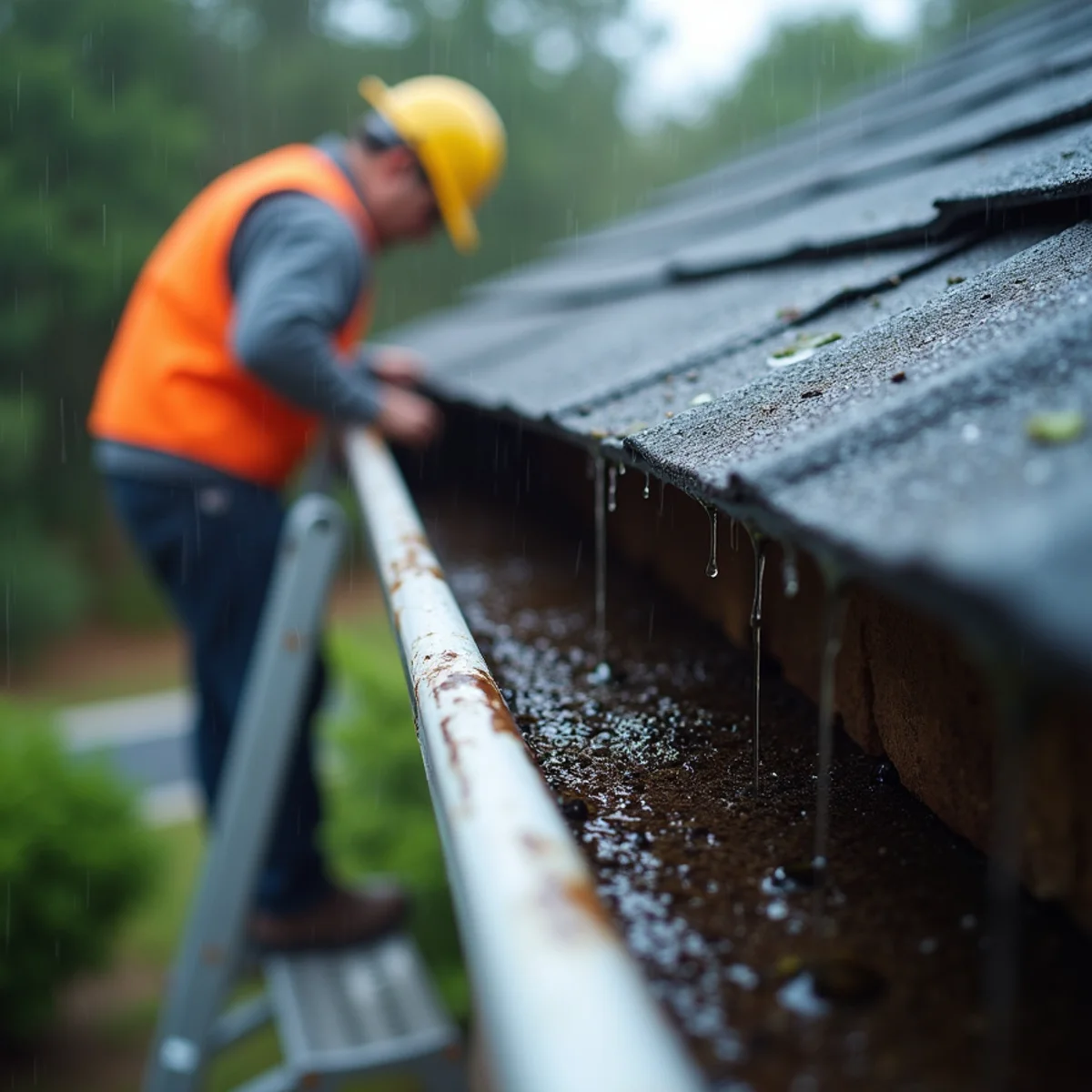
Rain does not stay in a clogged gutter. It backs up. When the trough fills with wet leaves, pine needles, and shingle grit, water rises above the back lip of the gutter, which sits right against the roof edge. From there it has three ways in.
First, it soaks the fascia board, the flat wood behind the gutter. Constant wet wood in Florida humidity rots fast. Second, it works under the drip edge and back onto the roof deck, wetting the plywood and the bottom courses of shingles. Third, it runs down the fascia into the soffit, the underside vent panel, where it feeds mold and rusts the fasteners. Once the deck edge and fascia go soft, the whole system starts to fail, and now you are looking at roof repair or soffit and fascia repair instead of a two hour cleaning.
There is a second problem specific to heavy rain. A gutter full of debris cannot move water fast enough during a real Florida downpour. So even a gutter that is not fully clogged sends a sheet of water over the front edge, and that sheet lands right at the roofline on the way down. Do that for a few rainy seasons and the roof edge is always wet.
Why Titusville roofs take this harder than most
Our climate stacks the deck against gutters. A few things make Titusville and Brevard County tougher than a typical inland town.
Rain comes in bursts, not drizzle. Summer afternoons on the Space Coast can drop an inch or two of rain in under an hour. A partly blocked gutter that handles a gentle rain will overflow in that kind of burst. The water goes exactly where you do not want it, at the roof edge.
We grow debris year round. Florida does not have one leaf drop in October and then a clean winter. Live oaks shed constantly, pines drop needles all year, and those needles are the worst offenders because they knit into a mat that traps everything else. If you back up to a lot with big oaks or pines, your gutters fill faster than a house in an open subdivision.
Salt air speeds up the rot and rust. Closer to the Indian River and the coast, salt in the air corrodes gutter fasteners, hangers, and any exposed metal at the roof edge, including the drip edge and flashing. Standing water in a clogged gutter holds that salt against the metal longer. Coastal homes need cleaner gutters, not dirtier ones.
Then there is storm season. From June through November, we plan around wind and water. Clean gutters will not stop a hurricane, but blocked gutters guarantee the roof edge is already saturated and weak when the big weather shows up. Wet, rotted fascia and soft decking give wind something to grab. If a storm has already hit your home, document it and get it looked at through our storm damage roof repair team before the next system rolls through. Clearing the gutters is one part of a wider list of steps for getting your roof ready before hurricane season.
The warning signs you can spot from the ground
You do not need a ladder to catch most of these. Walk the perimeter of your house after a good rain and look for the following.
Water spilling over the front edge of the gutter while it rains is the clearest sign. A working gutter should carry water to the downspout, not sheet over the side. Streaks or stains running down the fascia or the exterior wall mean water has been going over the edge for a while. Plants or grass growing in the gutter mean there is enough trapped soil up there to seed. Downspouts that trickle or stay dry during rain point to a clog at the outlet. Peeling paint or dark rot on the fascia board, and any sag in the gutter line, tell you the wood behind it is already taking on water.
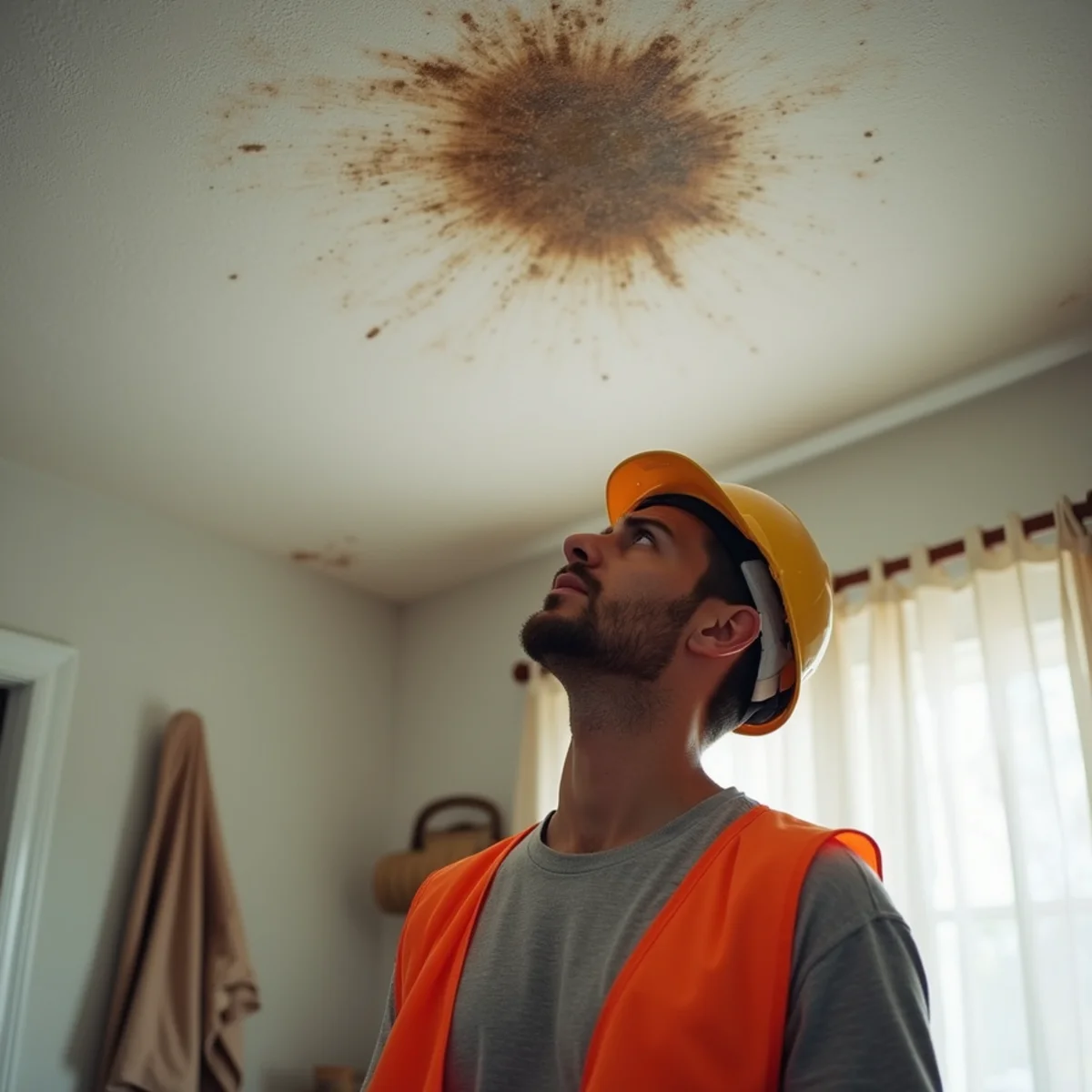
Inside, brown rings on ceilings near exterior walls, or damp corners in the attic after rain, often trace back to a gutter that has been overflowing at the roof edge for months. If you see those, it is worth a proper roof inspection to find where the water is getting in before it spreads.
How often to clean gutters in Brevard County
The old advice of twice a year is written for places with one leaf season and mild rain. It does not fit here. For most Titusville homes, plan on cleaning gutters at least three times a year, and set the timing around our weather rather than the calendar.
Clean once in late spring, around May, before the daily summer storms start. Clean again in early fall, around September or October, to clear out summer growth before the wetter stretch of hurricane season. A third pass in winter keeps oak and pine debris from sitting all season. If your house sits under heavy tree cover, four times a year is more realistic, and after any major storm you should check the gutters no matter when you last cleaned them, since wind loads them with fresh debris in a single afternoon.
Gutter guards help, and they cut how often you climb up there, but they are not a set and forget fix in Florida. Fine debris and shingle grit still get through and settle in the trough, and guards themselves need a rinse and a check. Treat them as a way to stretch the schedule, not end it.
Cleaning gutters without hurting your roof
If you do it yourself, a few habits protect both you and the roof. Use a stable ladder on firm ground, never lean it against the gutter itself, and stay off the roof surface if you can, since walking Florida shingles in the heat can loosen granules and crack them. Scoop debris by hand into a bucket, then flush with a hose and watch that every downspout runs clear. While you are up there, glance at the drip edge, the fascia, and the first course of shingles for soft spots, rust, or lifting. Those small looks catch problems early.
Plenty of homeowners would rather not spend a Saturday on a ladder in July heat, and that is fair. It is hot, it is high, and one slip is not worth it. This is where a pro pays off, especially on two story homes or houses with steep or tile roofs where footing and access get tricky.
Where a roofer fits in
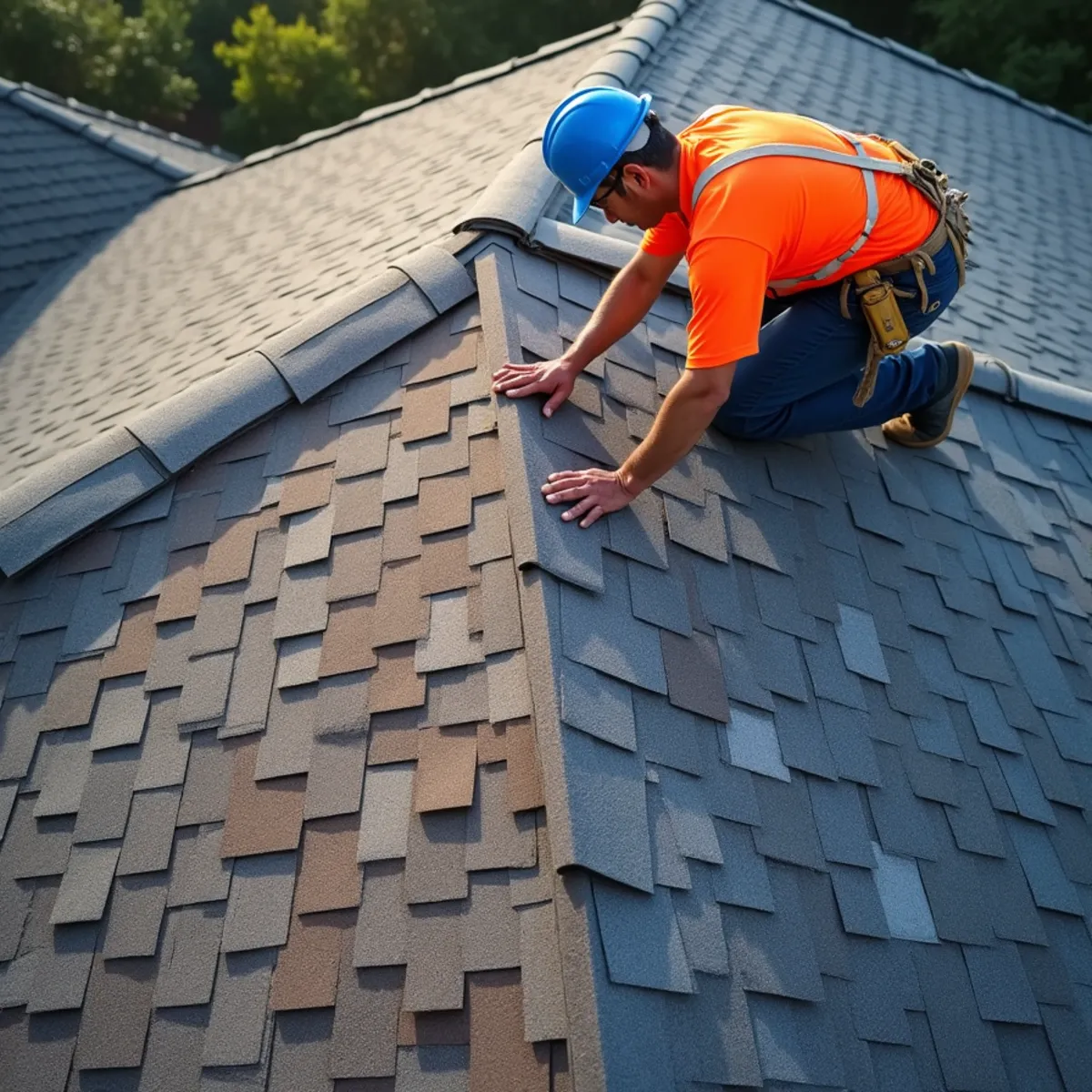
Gutters and roofs are one system, and a roofer sees the whole thing. When we clean or service gutters, we are also looking at the roof edge, the flashing, the roof ventilation at the eave, and any early rot in the fascia and soffit. A gutter-only crew clears the leaves and leaves. We tell you if the drip edge is corroded, if the decking edge is soft, or if a section of flashing repair is what is actually letting water in.
Align Roofing Service is a roofing contractor based at 688 S Park Ave in Titusville, and we handle both residential and commercial work across Titusville and Brevard County. We offer free inspections and written estimates, financing is available, and we run 24/7 emergency service for the times a storm cannot wait. If a storm has damaged your roof, we document the damage in writing and with photos to support your insurance claim.
Clean gutters are small money. A rotted roof edge is not. If you are not sure when your gutters were last cleared, or you have seen water going over the edge in the last rain, book a free inspection with our gutter cleaning team and let us check the roof edge while we are up there. Call Align Roofing Service at (209) 758-8550 to set it up.
Frequently Asked Questions
How often should I clean my gutters in Titusville?
Can clogged gutters really damage my roof, not just the foundation?
Do gutter guards mean I never have to clean my gutters again?
Why does salt air matter for my gutters?
How do I know if my gutters are already causing roof damage?
Should I clean my own gutters or hire a roofer?
Written by Align Roofing Service
A local roofing contractor in Titusville, FL. We help homeowners across Brevard County with honest repair-or-replace advice, free inspections, and 24/7 emergency service.
Back to all articles