Signs Your Skylight Is Leaking and When You Need Skylight Repair in Titusville FL
Key Takeaways
- A leak shows up as streaks or drips that get worse in rain; condensation is an even film of droplets across the glass, worst on humid mornings when it is not raining.
- Flashing failure is the number one cause of skylight leaks on the Space Coast, driven by UV, salt air, and wind-driven summer rain.
- Fogging between double-pane glass means the sealed unit has failed and the panel needs replacing, not just resealing.
- Repair usually works if the skylight is under 10 to 15 years old and the glass is sound; replace it if it is old, fogged, cracked, or has leaked more than once.
- Act early. A small stain left alone leads to mold and rotted framing that costs far more than the original leak.
Water dripping from a skylight in the middle of a Titusville summer storm is not something to ignore. It rarely fixes itself, and by the time you see a stain on the ceiling, water has usually been getting in for a while. If you need skylight repair in Titusville, FL, the first job is figuring out what is actually going on. Some skylight problems are simple. Some point to a bigger issue with your roof. This guide walks through the signs of a leaking skylight, what causes them here on the Space Coast, how to tell a real leak from condensation, and when a repair makes sense versus a full replacement.
Quick signs your skylight is leaking
Most homeowners catch a skylight leak by the water stain, not the leak itself. Here is what to watch for, from obvious to easy to miss.
- Water dripping or running down the inside of the skylight during or right after rain.
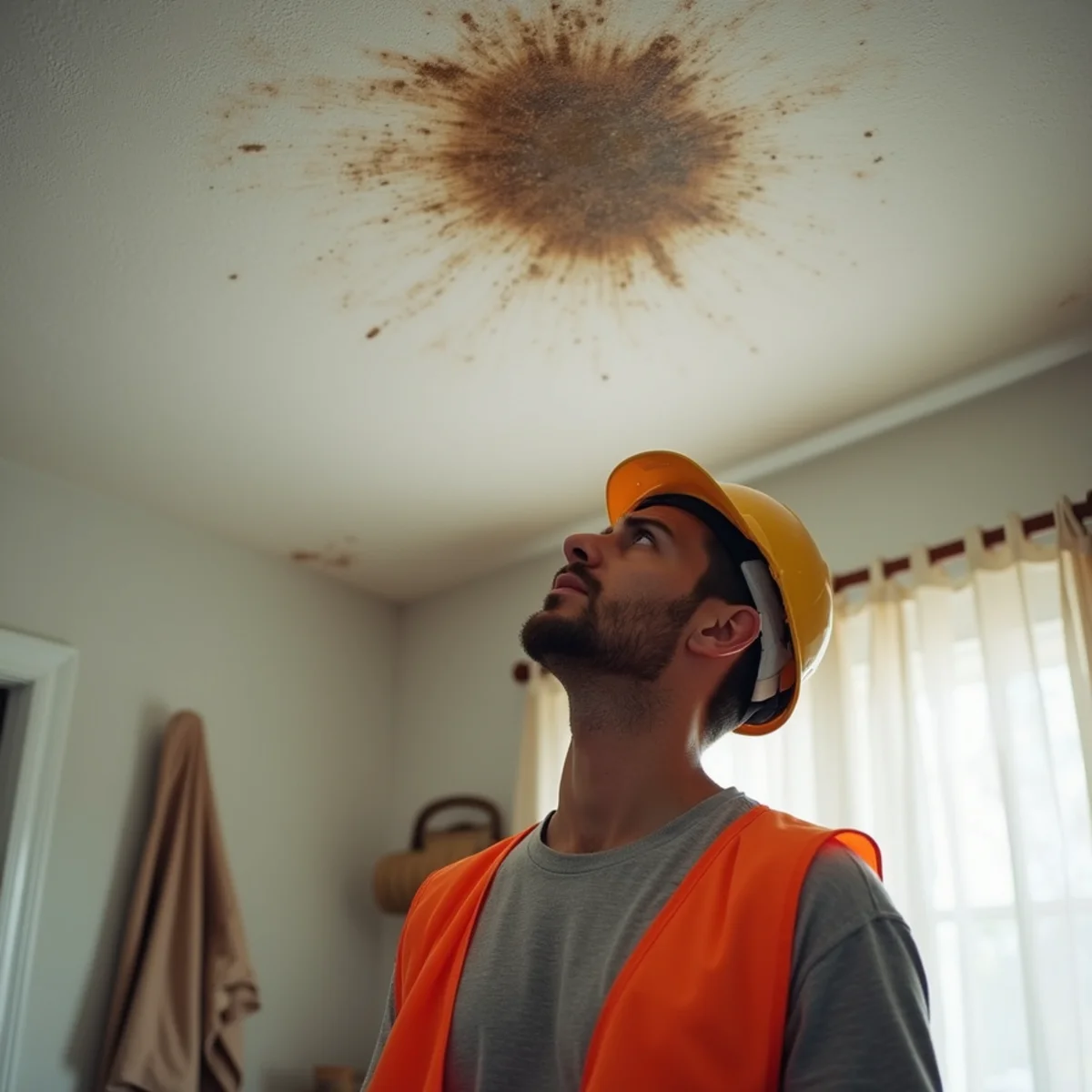
- Yellow or brown stains on the ceiling around the skylight, sometimes spreading a foot or two out.
- Bubbling, cracking, or peeling paint on the ceiling or the drywall shaft that runs up to the glass.
- A musty smell in the room, or soft, spongy drywall near the opening.
- Dark spots or streaks on the wood trim of the light shaft.
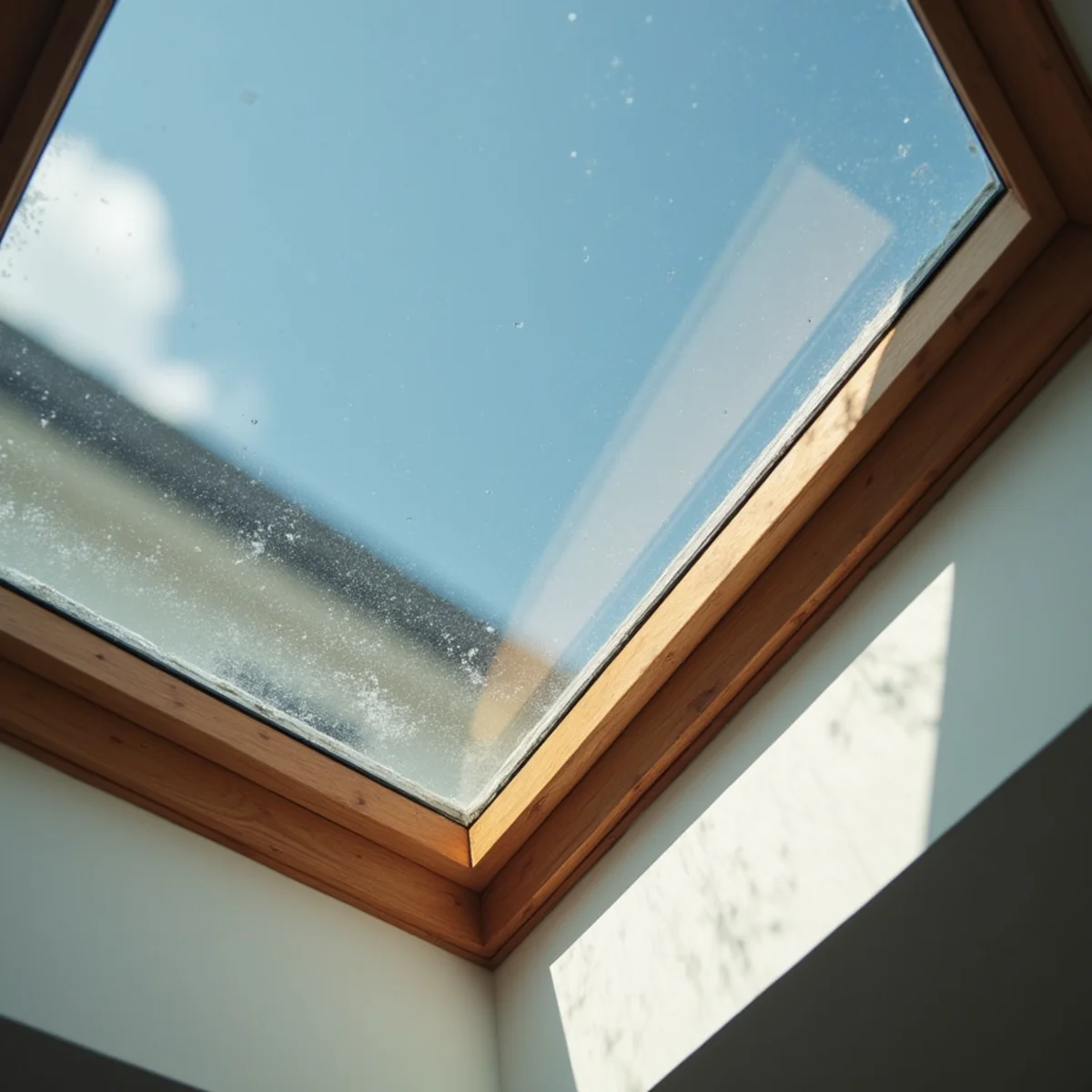
- Fogging or moisture trapped between the panes of double-pane glass.
If you see any of these, the water has already found a path in. The stain shows up downhill from the actual entry point, so where you see it is not always where the leak is.
Is it a leak or just condensation?
This trips up a lot of people, and it matters because the fix is completely different. Titusville humidity is high most of the year, and skylights sit on the coldest surface in the room. Warm, damp indoor air hits that cool glass and turns to water, the same way a glass of iced tea sweats on the porch.
Here is how to tell them apart. Condensation shows up as an even film of tiny droplets across the whole glass, worst on cool mornings and in humid rooms like bathrooms, kitchens, and laundry rooms. It usually appears when it is not even raining. A true leak tends to come from one spot, runs in streaks or drips, gets worse during rain, and often leaves a stain that keeps growing over time.
If it is condensation, better airflow and a running exhaust fan usually solve it. If water shows up when it rains and dries out when it does not, you have a leak, and that means water is getting past the flashing, the seal, or the glass. That needs attention. Trapped fog between double-pane glass is a third thing entirely. It means the sealed glass unit has failed and the panel itself needs replacing.
What causes skylight leaks in Titusville and Brevard County
Skylights do not usually leak because the glass gave out. In our climate, the failure almost always starts around the edges. Here are the common culprits on the Space Coast.
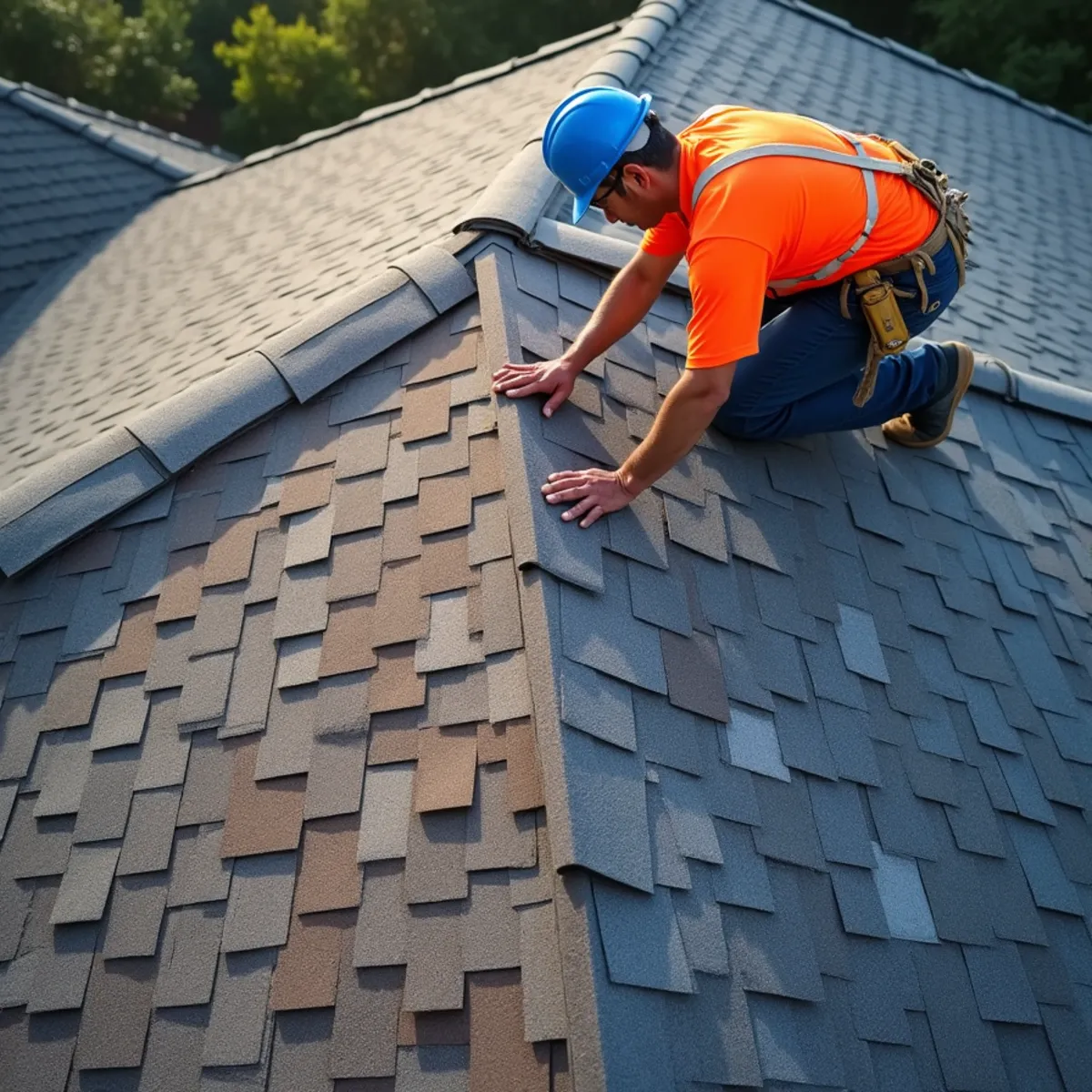
Failed flashing. Flashing is the metal that wraps the base of the skylight and ties it into the surrounding roof. It is the single most common source of skylight leaks. Titusville gets brutal UV, salt in the air off the Indian River and the Atlantic, and hard, wind-driven rain in summer. Over years that combination lifts, corrodes, and works flashing loose. Bad flashing on the roof is a job for a real fix, not a bead of caulk. Our flashing repair work rebuilds that seal so water sheds around the skylight instead of under it. The same warning signs of flashing damage around chimneys and skylights show up whether the leak is at a skylight or a chimney.
Dried or cracked sealant. The sealant and gaskets around the glass and the frame are not permanent. Under constant Florida sun they dry out, shrink, and crack, usually within 8 to 15 years depending on the product and how much direct exposure the skylight gets. Once the seal opens up, rain follows it right in.
Worn or failing skylight seal. The factory seal between the glass and the frame breaks down with age and heat. When it goes, you get both leaking and that foggy look between the panes. At that point the skylight unit itself is often near the end of its life.
Roofing problems around the skylight. Sometimes the skylight is fine and the roof is the problem. Cracked or lifted shingles, worn underlayment, or storm damage next to the skylight lets water in near the opening, and it reads as a skylight leak. This is why we look at the whole area, not just the glass. If the surrounding roof is the real issue, roof repair or new flashing fixes it, not resealing a skylight that was never broken.
Debris and clogged flow. Leaves, pine needles, and dirt pile up on the uphill side of a skylight and dam water against it. Water that cannot run off will eventually find a way through. Keeping the roof and gutters clear does more to prevent skylight leaks than most people think.
Storm and wind damage. Summer thunderstorms and hurricane season put real force on a roof. Wind flexes flashing, hail can crack a dome, and flying debris does the rest. After a big blow it is worth a look. We document storm damage in writing to support your insurance claim, though we do not file or negotiate the claim for you. It helps to understand how Florida storms damage shingle roofs around a skylight, since the same forces that lift shingles also work the flashing loose.
Curb-mounted vs deck-mounted skylights
Not all skylights leak the same way, and knowing which type you have helps explain the fix. A curb-mounted skylight sits on a raised wood frame, or curb, built up off the roof deck, with the unit set on top and flashed around the curb. A deck-mounted skylight attaches straight to the roof deck and sits lower and flatter to the surface.
Curb-mounted units lean on the curb flashing and the sealant along that raised frame, so leaks there usually trace back to the flashing or the joint where the unit meets the curb. Deck-mounted units rely on the factory flashing kit tucked under the surrounding shingles, so leaks there often mean that kit was installed poorly or has aged out. A good repair matches the type. Reflashing a curb is a different job than replacing a deck-mounted flashing kit, and using the wrong approach is a big reason DIY skylight repairs leak again a few months later.
Should you repair or replace the skylight?
The honest answer depends on age and where the water is coming from. Here is the way we think about it.
Repair usually makes sense when the skylight is under roughly 10 to 15 years old, the glass is sound, and the leak traces to flashing, sealant, or a roofing issue nearby. Reflashing, resealing, and fixing the surrounding roof restore it without the cost of a new unit.
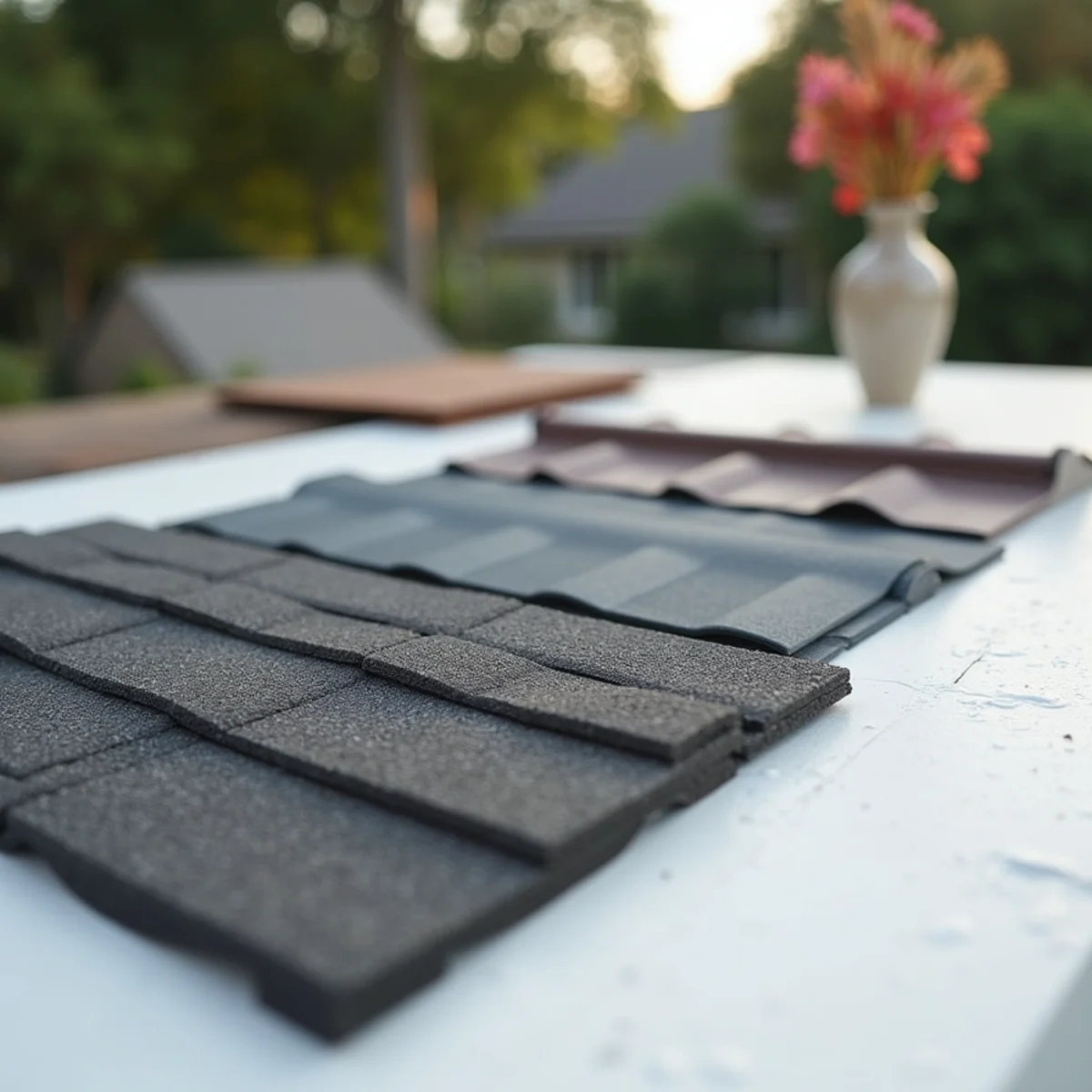
Replacement is the smarter call when the skylight is old, the glass is fogged from a failed seal, the frame is cracked or warped, or you have paid for the same leak to be patched more than once. Older acrylic domes yellow, get brittle, and crack in our sun. If you are replacing your roof anyway, swapping in a new skylight at the same time is the cheapest it will ever be, because the surrounding roofing and flashing are already open. We handle both under skylight installation and repair, and pairing it with roof replacement saves a second trip and a second flashing job.
A few things push the cost of a skylight fix up or down: how easy the skylight is to reach on the roof, whether the flashing needs full replacement or just resealing, whether surrounding shingles are damaged, and whether hidden water has already rotted the drywall shaft or roof deck underneath. That last one is why a small stain is worth acting on early. Water sitting in a light shaft leads to mold and wood rot, and drying it out and repairing the framing costs far more than the original leak would have.
What to do right now if your skylight is leaking
You do not have to solve it tonight, but a few steps limit the damage before help arrives.
- Put a bucket or towel under the drip and move anything valuable out from under it.
- If the ceiling is bulging with trapped water, poke a small hole at the low point to let it drain into a bucket. That relieves the weight and keeps a bigger section of drywall from collapsing.
- Take photos of the stain, the glass, and the ceiling, especially if a storm caused it. That record helps with an insurance claim later.
- Stay off a wet roof. Titusville roofs get slick fast, and chasing a leak in the rain is how people get hurt.
- Skip the DIY caulk from the roof unless the leak is clearly a tiny gap in the glass seal you can reach safely. Sealing over flashing from the top usually traps water and hides the real problem, and it makes the eventual repair harder.
If water is pouring in during a storm, that is what emergency roof repair is for. We answer 24/7 and can get a proper cover on it so the inside of your home stops taking on water.
How a real skylight repair should go
A proper skylight repair starts with finding the actual entry point, not just sealing the nearest visible gap. We inspect the flashing, the sealant, the glass, and the roof around the opening, then check the drywall shaft and deck for hidden water damage. From there the fix is targeted: reflash the base, replace worn sealant, repair or replace nearby roofing, or recommend a new unit if the old one is past saving. Getting the roof around the skylight right is the part most DIY jobs and quick patches miss, and it is the reason a done-right repair holds through hurricane season instead of leaking again by fall. A skylight is only one of the common causes of roof leaks in Brevard County, so it pays to have the whole roof looked at while someone is up there.
If you are anywhere in Titusville or the rest of Brevard County and you see a skylight leaking, catch it early. Align Roofing Service is at 688 S Park Ave in Titusville. We offer free inspections and written estimates, financing is available, and we handle both residential and commercial roofs. Call +1 (209) 758-8550 to book a free inspection and get a straight answer on whether you need a repair or a replacement.
Frequently Asked Questions
How do I know if my skylight is leaking or just has condensation?
Why does my skylight leak during heavy Titusville rain but stay dry otherwise?
Can I fix a leaking skylight myself with caulk?
How long do skylights last before they start leaking?
Should I repair or replace a leaking skylight?
Does insurance cover skylight leaks?
Written by Align Roofing Service
A local roofing contractor in Titusville, FL. We help homeowners across Brevard County with honest repair-or-replace advice, free inspections, and 24/7 emergency service.
Back to all articles