Best Roofing Materials for Florida Heat, Rain and Storms
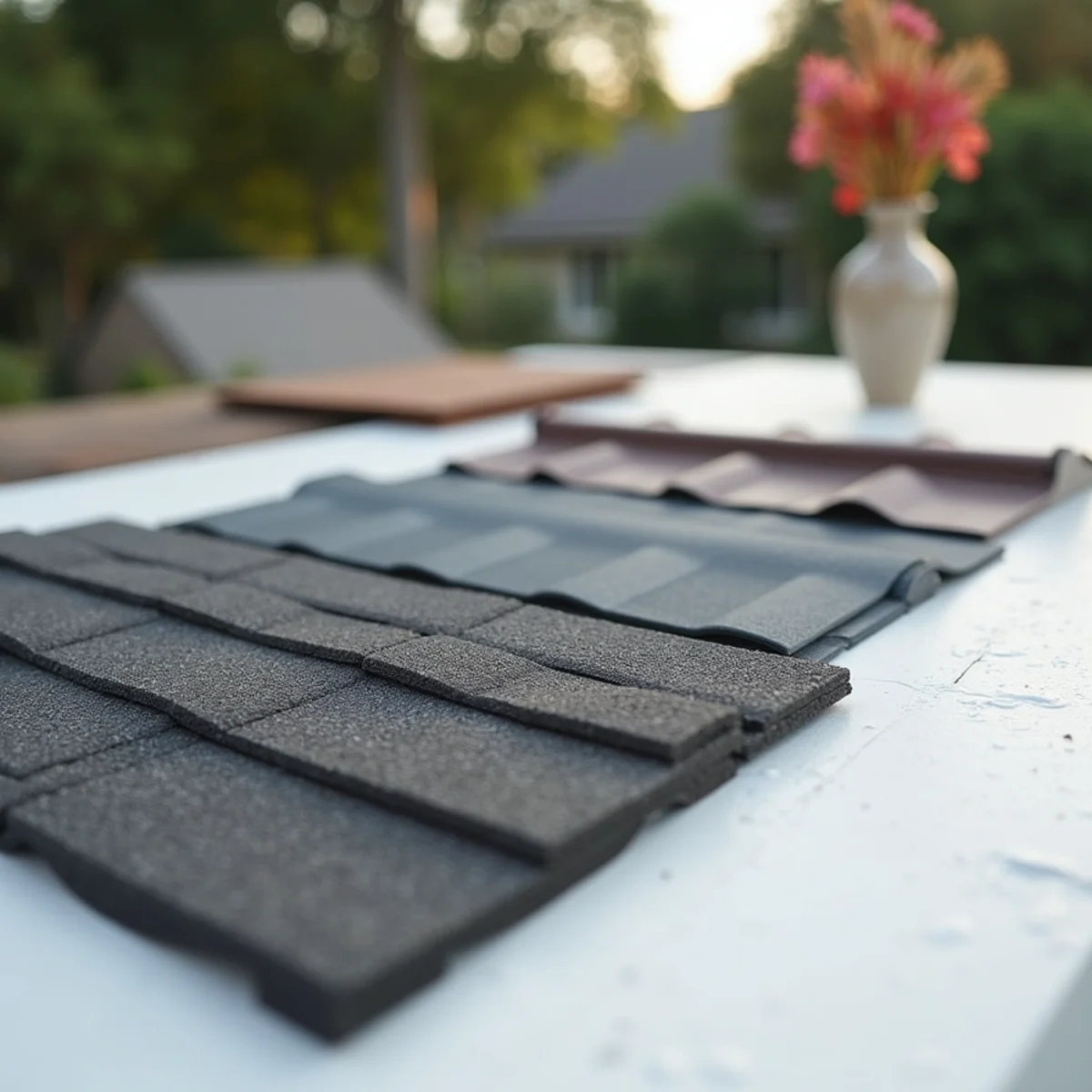
Key Takeaways
- Metal, concrete or clay tile, and impact-rated architectural shingles hold up best to Florida heat, rain, and wind.
- Wind rating and impact rating matter as much as the material itself. A Class 4 impact-rated roof can earn real insurance credits through a wind mitigation inspection.
- Salt air is the quiet killer on the coast, so coastal-grade metal and quality fasteners are worth it near the river and beaches.
- The underlayment and secondary water barrier under your roof often decide whether a storm gives you a wet ceiling or a dry one.
- Florida's 25% rule and permit requirements shape what you can patch versus replace, so know the rules before you spend.
Best Roofing Materials for Florida Heat, Rain and Storms
Picking a roof in Titusville is not the same as picking one in Ohio or Georgia. Out here on the Space Coast we get all of it: brutal UV that bakes shingles from May through September, afternoon downpours that can dump two inches in an hour, salt air rolling in off the Indian River and the Atlantic, and hurricane season staring us down from June to November. The best roofing materials for Florida are the ones built for that specific combination, not just whatever looks good in a brochure.
This guide walks through every material worth considering for a Brevard County home, what each one actually costs you over its lifespan, and how your choice affects your insurance premium and your building permit. No fluff, no sales pitch. Just what a local roofer would tell you across the kitchen table.
Key takeaways
- Metal, concrete/clay tile, and impact-rated architectural shingles are the three materials that hold up best to our heat, rain, and wind.
- Wind rating and impact rating matter as much as the material name. An impact-rated shingle can earn you real insurance discounts through a wind mitigation inspection.
- Salt air is the quiet killer on the coast. It shortens the life of cheap fasteners and bare metal, so coastal-grade materials are worth it near the river and the beach.
- Underlayment and the deck under your shingles matter more than most homeowners realize. A secondary water barrier is often the difference between a wet ceiling and a dry one.
- Florida's 25% rule and permit requirements shape what you can and cannot patch, so know the rules before you spend.
Why Florida roofs fail faster than most people expect
A roof in Titusville takes more abuse in ten years than a roof up north takes in twenty-five. Three forces do the damage.
Heat and UV come first. Our sun degrades asphalt binders, dries out sealants, and cooks the oils out of cheaper shingles. Dark roofs run hotter, which pushes your AC harder and ages the material faster. That is why reflective and light-colored options pay off here in a way they never would in a cold climate.
Water comes second. It is not just the volume, it is the wind-driven angle. Summer storms push rain sideways up under shingle edges and flashing. If the flashing around your chimney, skylights, and valleys is not right, water finds its way in no matter how good the surface material is.
Salt and wind come third. If you live east of US-1, near the river, or over toward the beaches, salt air corrodes exposed metal and eats through low-grade nails and staples. Then hurricane season adds uplift, flying debris, and pressure changes that try to peel the whole system off at once.
Any material you choose has to answer all three. Here is how the main options stack up.
Asphalt shingles: the practical default, if you buy the right ones
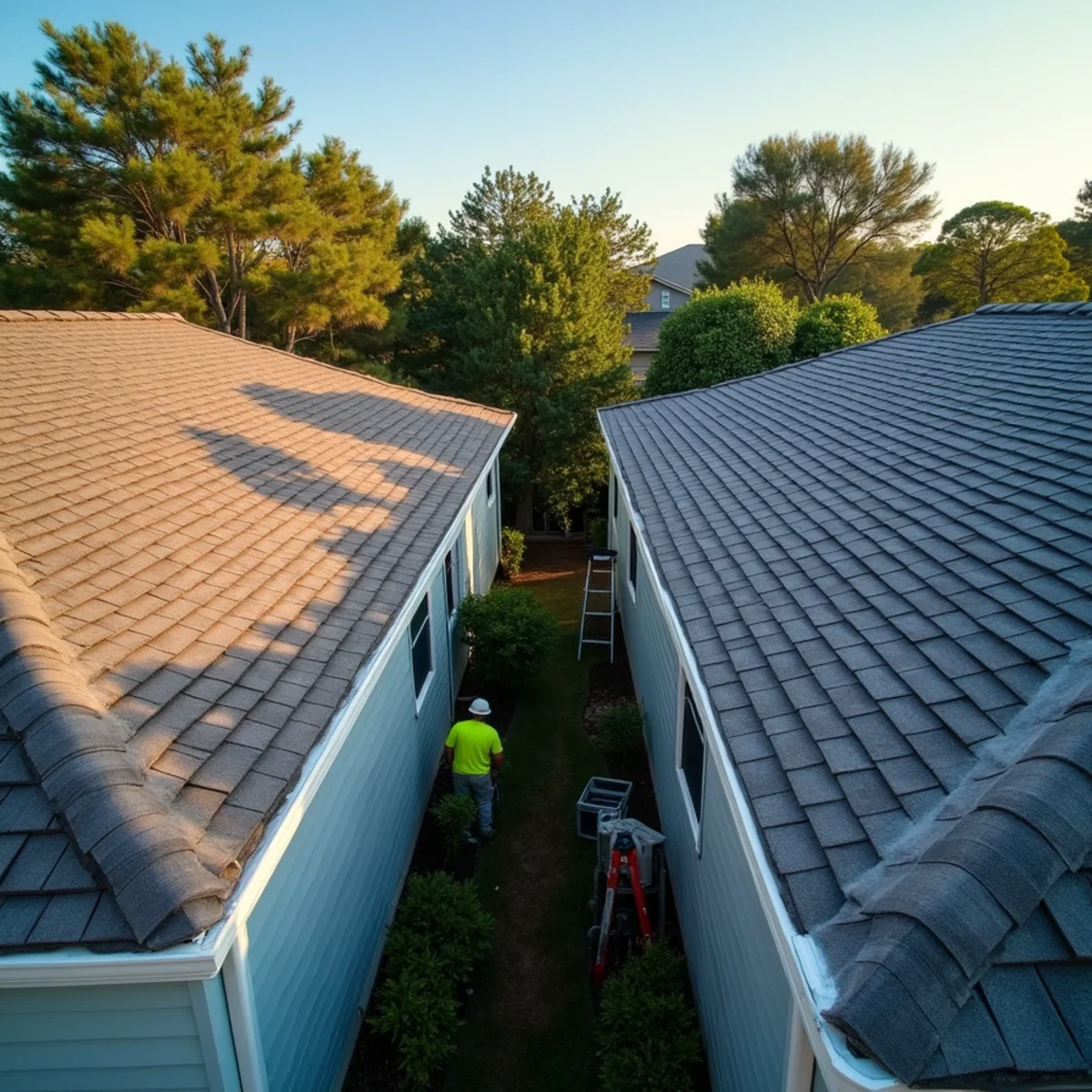
Asphalt shingles are still the most common roof in Brevard, and for good reason. They are affordable, they come in every color, and a good crew can install them fast. The catch is that not all shingles belong on a Florida roof.
Skip the old three-tab shingles. They are thin, they blow off in high wind, and they do not last down here. Go with architectural (also called dimensional) shingles, and specifically ones with a Class 4 impact rating and a 130 mph wind rating. Those numbers are what matter for our climate and for your insurance.
Expect a well-installed architectural shingle roof to last roughly 15 to 25 years in Florida heat, shorter than the manufacturer's headline number because our UV is so aggressive. Cost usually lands in the mid range per square foot, which is why shingles remain the value pick for most homeowners. If your current shingle roof is losing granules, curling at the edges, or dropping tabs after a storm, that is your signal to call for a roof inspection before a small problem becomes a leak. When it is time for a full tear-off, our asphalt shingle roofing work sticks to impact-rated products for exactly these reasons.
The big win with impact-rated shingles is insurance. Many Florida carriers give a premium credit for a Class 4 roof, and that discount adds up year after year.
Metal roofing: the long-haul choice for the Space Coast
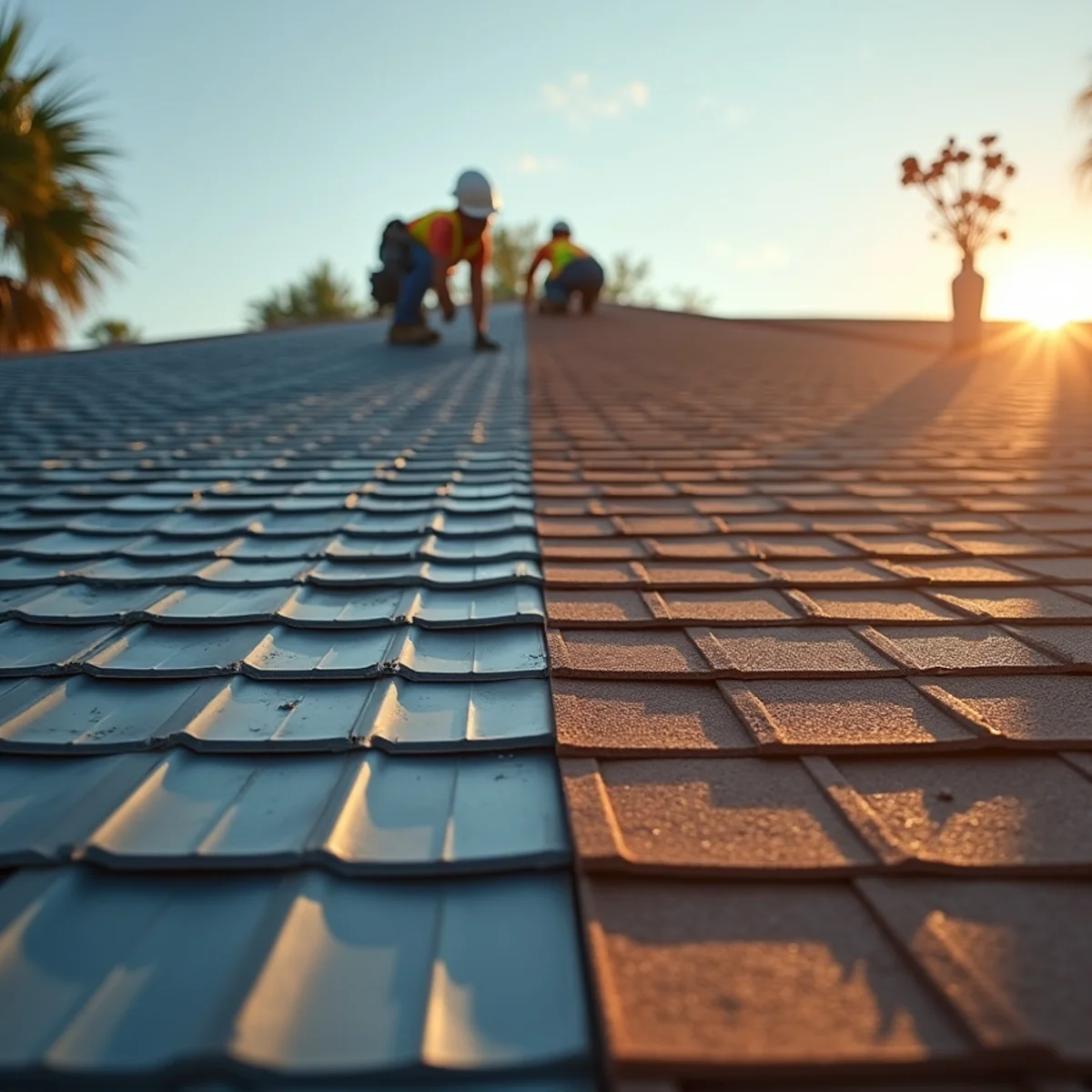
If you plan to stay in your home a long time, metal is hard to beat. A quality metal roof can last 40 to 50 years and shrug off winds that would strip shingles. If you are weighing the two, our breakdown of metal roofing versus shingle roofing in Titusville covers the cost and lifespan differences in detail. Standing seam systems, where the fasteners are hidden under the seams, hold up especially well against uplift because there are no exposed nail heads for wind and water to work on.
Metal also handles our heat better than almost anything. The reflective surface bounces solar energy instead of soaking it up, which keeps your attic cooler and takes load off the AC through the long summer. For homeowners fighting high cooling bills, that matters.
The salt-air point is important here. Near the coast, bare or low-grade steel corrodes. Choose a coastal-rated finish, aluminum, or a properly coated galvanized product, and use compatible fasteners. Done right, metal is one of the best materials for a waterfront or near-beach Brevard home. Done cheap, it streaks and rusts within a few years. Our metal roofing installs are spec'd for coastal exposure for that reason. The main trade-off is upfront cost, which runs higher than shingles, and the payoff is a roof you likely never replace again.
Tile roofing: heavy, beautiful, and built to last
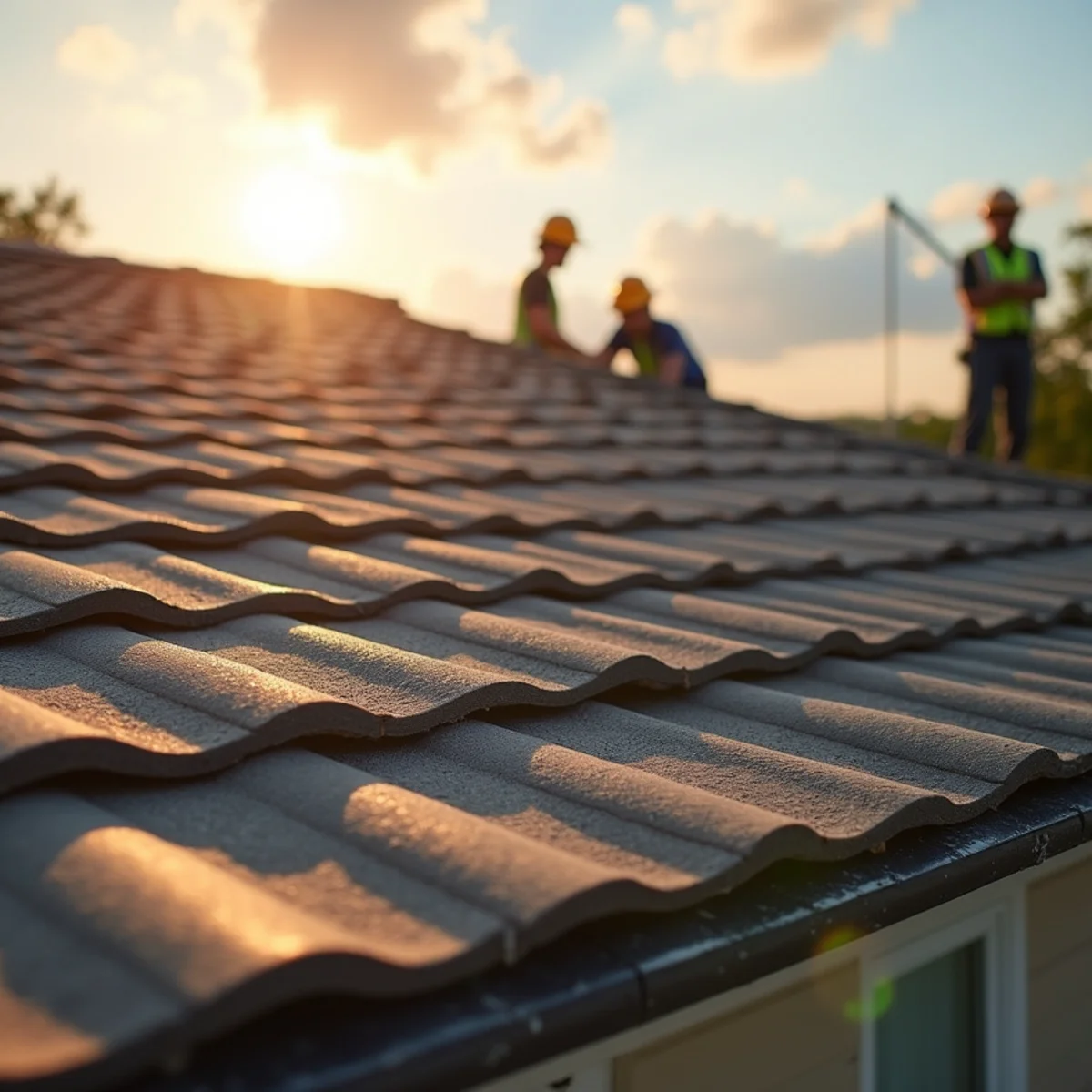
Concrete and clay tile roofs are everywhere in Florida for a reason. They last a very long time, 50 years and up is realistic, and clay in particular handles UV and salt without breaking down. The air space under the tiles creates natural ventilation that helps keep the house cooler, another real advantage in our heat.
Tile also carries strong wind resistance when it is installed and fastened to current code. The weight that makes tile feel so solid also helps it stay put.
Two things to know before you go tile. First, weight. Tile is heavy, often several times the load of shingles per square, so your home's structure has to support it. On an older Titusville home, that may mean a structural check first. Second, the tiles themselves are durable but the underlayment beneath them is not forever. On many tile roofs the tiles outlive the waterproofing layer, so the fix is a re-felt (replacing the underlayment and re-laying the tile) rather than a full tear-off. If your tile roof is leaking but the tiles look fine, that is usually the underlayment talking. We handle tile roofing repair and replacement, including that underlayment work.
Flat and low-slope roofing: mostly a commercial and add-on question
Plenty of Brevard buildings, and some home additions, Florida rooms, and carports, have flat or low-slope sections. These do not use shingles or tile. They use membrane systems, commonly TPO, which is a light-colored single-ply that reflects heat well, or modified bitumen.
The thing to understand about flat roofs is that water does not run off fast, it sits and drains slowly, so the waterproofing and the seams are everything. A flat roof lives or dies on its details. If you have ponding water, blisters, or seams lifting, get it looked at before the next storm. Our flat roofing and commercial roofing crews deal with these systems regularly across the county.
The parts under the surface that decide whether your roof leaks
Homeowners obsess over the material they can see and ignore the parts that actually keep water out. That is backwards. Two hidden layers matter enormously in Florida.
Underlayment is the water barrier between your shingles or tile and the wood deck. In our climate a peel-and-stick or synthetic underlayment outperforms old-school felt, especially as a secondary water barrier. If wind lifts a few shingles in a storm, that barrier is what stops water from reaching your ceiling. It also happens to be a wind mitigation credit item, so it can lower your insurance too.
Ventilation is the other one. A hot, poorly vented attic bakes your roof from below and drives up cooling costs. Balanced intake and exhaust venting lets that heat escape and extends the life of whatever you put on top. If your upstairs rooms run hot or your attic feels like an oven, roof ventilation repair is often the fix, and it pairs naturally with any new roof.
How your roof choice affects insurance and permits in Florida
This is where the local knowledge earns its keep, and it is exactly what the generic national articles skip.
Insurance first. Florida carriers care a lot about your roof. A wind mitigation inspection documents the features that reduce storm damage, such as the roof shape, how the deck is nailed, whether there is a secondary water barrier, and your roof covering rating. Each of those can earn a premium credit. Choosing an impact-rated covering and a proper secondary water barrier is not just about durability, it is money back on your policy every year.
Permits and the 25% rule next. In Florida, roofing work requires a permit, and there is a rule that generally comes into play when more than 25% of a roof section is repaired or replaced within a year. Cross that threshold and the whole section usually has to be brought up to current code, which can change the scope and cost of what started as a small repair. This is why a quick patch is not always as simple as it sounds, and why it helps to have a roofer who knows the county process. We handle permitting as part of a roof replacement.
Storm claims last. After a named storm or a bad wind event, timing and documentation matter. We photograph and document storm damage to support your insurance claim, though we do not file, negotiate, or guarantee the outcome. Getting that documentation early, before tarps come off and evidence disappears, gives you the strongest footing with your carrier. Our insurance claim assistance is about giving you the paperwork and evidence, not playing adjuster.
So what is the best roofing material for a Titusville home?
There is no single winner, but there is a right answer for your situation.
If you want the best value and a proven material, go with impact-rated architectural shingles. They cost less upfront, earn insurance credits, and perform well when installed properly.
If you plan to stay put for decades and want the longest life with the best heat performance, choose metal, spec'd for coastal exposure if you are near the river or the beach.
If you want a roof that can last half a century and match Florida's architecture, tile is excellent, as long as your structure supports the weight and you keep the underlayment maintained.
Whatever you pick, the install and the hidden layers matter as much as the material name. A cheap material installed well often beats a premium material installed poorly. Regular roof maintenance keeps any of these systems performing for their full life.
Get a straight answer for your specific roof
Every home in Titusville and across Brevard County is a little different, and the right material depends on your budget, how long you are staying, and how close you are to the salt. Align Roofing Service offers free inspections and written estimates, financing options, and 24/7 emergency service for both homes and businesses. Call us at (209) 758-8550 to book a free inspection, and we will give you honest options for your roof, not a one-size-fits-all pitch.
Frequently Asked Questions
What is the best roofing material for a Florida home?
Does a metal roof rust from the salt air near the coast?
Will a new roof lower my homeowners insurance in Florida?
How long does a roof last in Florida?
What is the 25% roof rule in Florida?
Do I need a permit to replace my roof in Titusville?
Written by Align Roofing Service
A local roofing contractor in Titusville, FL. We help homeowners across Brevard County with honest repair-or-replace advice, free inspections, and 24/7 emergency service.
Back to all articles