What Is Included in a Professional Roof Inspection in Titusville FL?

Key Takeaways
- A professional roof inspection covers four areas: the roof surface, the flashing and penetrations, the gutters and drainage, and the attic and structure from below.
- On the Space Coast, salt air and UV shorten asphalt shingle life to roughly 15 to 20 years, so roof age matters more here than in cooler, inland climates.
- You should walk away with photos and a written report, not just a verbal opinion.
- Schedule an inspection once a year, after any named storm, and before you buy or sell a home in Titusville.
- A wind mitigation inspection is a separate report that can lower the windstorm portion of your homeowners insurance.
If you own a home near the Indian River, you already know what the Space Coast does to a roof. Salt air, hard UV, afternoon thunderstorms, and a hurricane season that runs from June through November. A good roof inspection is how you stay ahead of all of it. A roof inspection in Titusville FL is not a guy glancing at your shingles from the driveway. It is a full check of the roof system, inside and out, with photos and a written report you can actually use.
This is what a real inspection covers, what our roofers look for on Brevard County homes specifically, and how to tell a thorough inspection from a quick sales pitch.
Key Takeaways
- A professional roof inspection covers four areas: the roof surface, the flashing and penetrations, the drainage system, and the attic and structure from below.
- On the Space Coast, salt air and UV shorten asphalt shingle life to roughly 15 to 20 years, so age matters more here than in cooler, inland states.
- You should get photos and a written report, not just a verbal "looks fine" or "you need a new roof."
- Schedule an inspection once a year, after any named storm, and before you buy or sell a home in Titusville.
- A separate wind mitigation inspection can lower the windstorm portion of your homeowners insurance. It is not the same as a general roof inspection.
What a Professional Roof Inspection Actually Checks
A complete inspection has four parts. Skip any one of them and you have a partial picture.
1. The Roof Surface
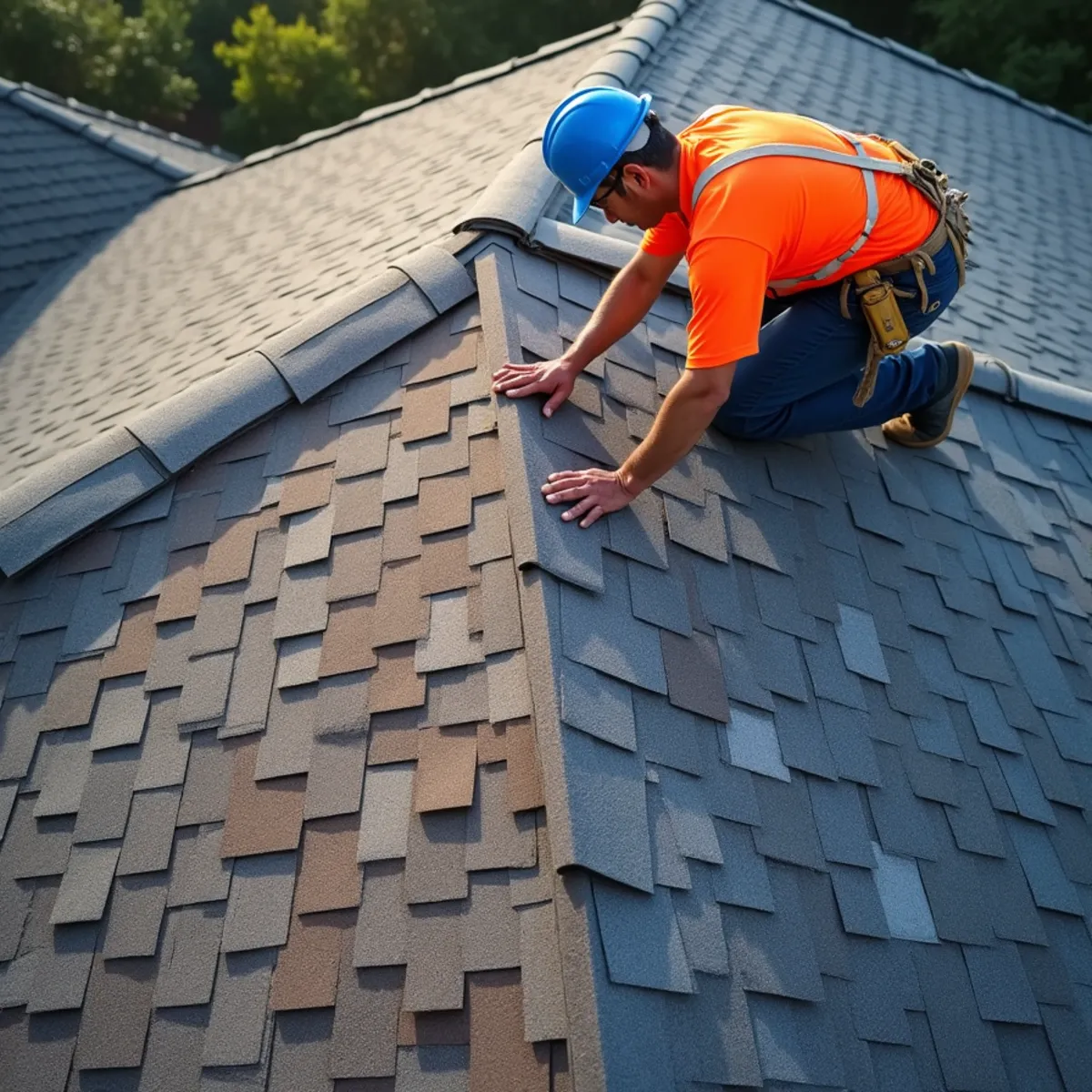
This is the part most people picture. The inspector walks the roof (or uses a ladder and close-up access on steep or fragile roofs) and checks the field of the roof material foot by foot.
On asphalt shingles, that means looking for curling, cupping, cracking, and blistering. It means checking for bald spots where the protective granules have washed into the gutters, because that granule loss is often the first sign a shingle roof is near the end of its life. Around here, UV and heat speed that up. We also look for lifted or missing shingles, which usually point to wind. If you have asphalt shingle roofing, the nail line and the seal strip get a close look too, since wind failures often start with popped or under-driven nails.
On tile roofing, we check for cracked, slipped, or broken tiles and the condition of the underlayment beneath them, because on a tile roof the underlayment is what actually keeps water out. On metal roofing, the focus shifts to fasteners, seams, and any spots where the panel coating has started to corrode. Salt air is rough on exposed metal and unprotected steel fasteners, so coastal Brevard roofs get extra attention there. Flat and low-slope roofs get checked for ponding water, seam separation, and blisters. If you have a flat roofing system on a home addition or a commercial building, standing water after a rain is a red flag worth flagging.
2. Flashing and Penetrations
Most leaks do not start in the open field of the roof. They start where the roof gets interrupted. Every place something pokes through the roof is a potential entry point for water.
The inspector checks the flashing around the chimney, the plumbing vent boots, the attic and bathroom exhaust vents, and any skylights. Rubber pipe boots are a common failure point in Florida because the sun cooks the rubber until it cracks, usually before the shingles themselves wear out. Valleys, where two roof planes meet and channel a lot of water, get a close look. So does the flashing in roof-to-wall transitions and around dormers. If flashing is loose, rusted, or sealed only with old caulk that has dried and split, we note it. A lot of what we handle in flashing repair and roof leak repair traces back to a failed detail like this, not a worn-out roof. Learning to spot flashing damage around chimneys and skylights between inspections can save you from a leak later.
Skylights get their own attention. The seal and flashing around a skylight is a frequent leak source, and if you are dealing with a stubborn drip, skylight installation and repair is often the fix rather than a whole new roof.
3. Gutters, Drainage, and the Roof Edge
Water has to get off the roof and away from the house. The inspection checks the gutters and downspouts for clogs, sagging, and separation, and looks at whether water is actually being carried away from the foundation or dumping right next to it.
The drip edge and the fascia and soffit along the eaves get checked for rot and pest entry. In our climate, clogged gutters back water up under the shingles and rot the wood at the roof edge, so this is not a small thing. If the boards are soft or the paint is peeling from the underside, that points to soffit and fascia repair. Keeping the gutters clear with routine gutter cleaning is one of the cheapest ways to add years to a roof, especially with all the oak and pine debris that piles up in older Titusville neighborhoods.
4. The Attic and the Structure From Below
A roof inspection that never goes into the attic is only half done. From below, the inspector looks for daylight coming through the deck, water stains on the underside of the plywood, active drips, and any sagging in the rafters or trusses. Wet or matted insulation and a musty smell usually mean moisture has been getting in for a while.
Ventilation gets checked here too. A hot, poorly vented attic bakes shingles from the underside and drives up your cooling bill during a Brevard summer. If the ridge vents, soffit vents, or gable vents are blocked or undersized, that is a real problem, and it is what roof ventilation repair addresses. We also look for signs of past leaks that were painted over, since those tend to come back.
Why Local Conditions Change the Answer
A roof inspection in Ohio and a roof inspection in Titusville are not the same job, because the roof is failing for different reasons.
Salt air corrodes metal fasteners and flashing faster near the coast. UV and heat age asphalt shingles quickly, which is why a shingle roof on the Space Coast often gives you 15 to 20 years rather than the 25 or 30 the brochure promised. Wind is the big one. A single strong summer storm can lift shingles and break the seal without leaving damage you can see from the ground, and that hidden lifting is exactly what lets the next rain in. Hurricane season adds the risk of debris impact and uplift on a scale that inland homes rarely face.
That is why a Titusville inspection puts real weight on wind seal, fastener condition, and flashing, and why age matters more here. A twelve-year-old roof in a mild climate might have plenty of life left. The same roof here may be closer to the finish line.
The Report: What You Should Walk Away With
Here is the difference between a professional inspection and a sales visit. You should get documentation.
A proper report includes photos of the actual conditions on your roof, a plain-language summary of what was found, and clear recommendations sorted by urgency. It should tell you what needs attention now, what to watch, and a rough sense of how much roof life you have left. If a roofer only gives you a verbal "you need a new roof" with no photos and no detail, be careful. You have every right to see the evidence.
At Align Roofing Service, inspections and written estimates are free, and we document conditions clearly so you can make a decision with real information in front of you.
When to Get Your Roof Inspected
- Once a year. An annual check catches small problems before they turn into interior damage. Late spring, before hurricane season, is a smart time.
- After any named storm or heavy wind. Even if you see nothing wrong from the yard, wind damage is often invisible from the ground. This is when documentation matters most for insurance.
- Before you buy or sell. A pre-purchase inspection tells you what you are actually buying, and a pre-sale inspection avoids surprises at closing.
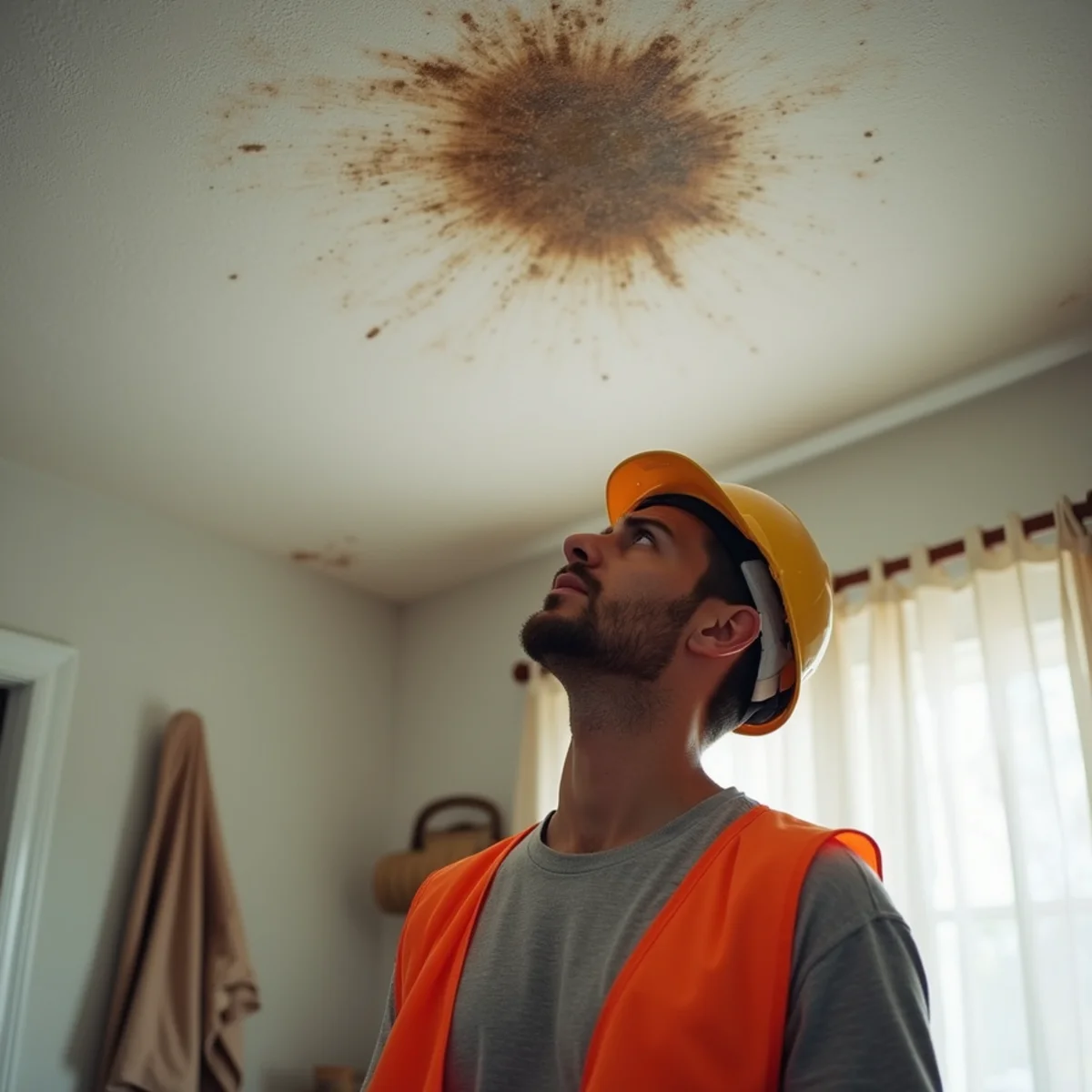
- When you spot a warning sign. Ceiling stains, granules in the gutters, a shingle in the yard, or a spike in your cooling bill all justify a look.
Regular checks are the core of good roof maintenance, and they almost always cost less than the repair you avoid by catching a problem early. If you are unsure how often to book one, our guide on how often to schedule a roof inspection in Florida breaks down the timing.
Storm Damage, Insurance, and Wind Mitigation
After a storm, timing matters. Insurance policies expect you to report damage promptly and to prevent further damage in the meantime. That is where an inspection right after the event helps. A dated set of photos and a written assessment give you a clear record of the condition of your roof, which supports a claim.
To be straight with you about what we do: we document storm damage thoroughly to support your insurance claim. We do not file the claim for you, negotiate with your carrier, or guarantee a payout. What we provide is honest, detailed evidence and the repair work itself. If you are dealing with a recent storm, storm damage roof repair and hurricane roof damage repair are where we start, and if water is already coming in, our 24/7 emergency roof repair can get a tarp up fast.
One more thing worth knowing across Brevard County: a wind mitigation inspection is a separate report from a general roof inspection. It documents the wind-resistant features of your home on the state form and can reduce the windstorm part of your homeowners premium. If your roof has features like a well-nailed deck or a secondary water barrier, a wind mitigation inspection may pay for itself in insurance savings. Ask about it during your regular check.
Book a Free Roof Inspection in Titusville
The smartest time to inspect your roof is before you need to. A yearly check and a look after every big storm are the two habits that keep a small repair from becoming a full roof replacement.
If it has been a while, or a storm just rolled through, call Align Roofing Service at (209) 758-8550 or stop by 688 S Park Ave in Titusville. Inspections and written estimates are free, financing is available, and we handle both residential and commercial roofs. Book your free inspection today and know exactly where your roof stands.
Frequently Asked Questions
How long does a professional roof inspection take?
Is a roof inspection really free?
How often should I have my roof inspected in Titusville?
Will a roof inspection help with my insurance claim after a storm?
What is the difference between a roof inspection and a wind mitigation inspection?
Do I need to be home during the inspection?
Written by Align Roofing Service
A local roofing contractor in Titusville, FL. We help homeowners across Brevard County with honest repair-or-replace advice, free inspections, and 24/7 emergency service.
Back to all articles