Flat Roof Maintenance Tips for Commercial Flat Roofing in Florida
Key Takeaways
- Clogged drainage is the top cause of commercial flat roof failure in Florida. Clear drains, scuppers, and gutters at least twice a year and after big storms.
- Leaks start at flashing, seams, and roof penetrations, not the flat field. Inspect those details closely, especially where salt air corrodes metal and fasteners.
- Set a twice-a-year inspection schedule, spring and fall, plus a check after any named storm, and keep written reports on file.
- Know your membrane type. TPO, modified bitumen, BUR, and EPDM each age and fail differently in the Florida heat.
- A reflective coating can extend the life of a sound but aging roof and cut cooling costs, but only after an inspection confirms the substrate is dry.
Flat roofs on commercial buildings do a hard job in Brevard County. They sit under the Florida sun all day, take on heavy summer rain, and get pounded during hurricane season. A pitched roof sheds water fast. A low-slope commercial roof holds it, moves it slowly toward drains, and shows every weak spot the moment maintenance falls behind. If you own or manage a building here, a maintenance plan is the cheapest tool you have to protect it.
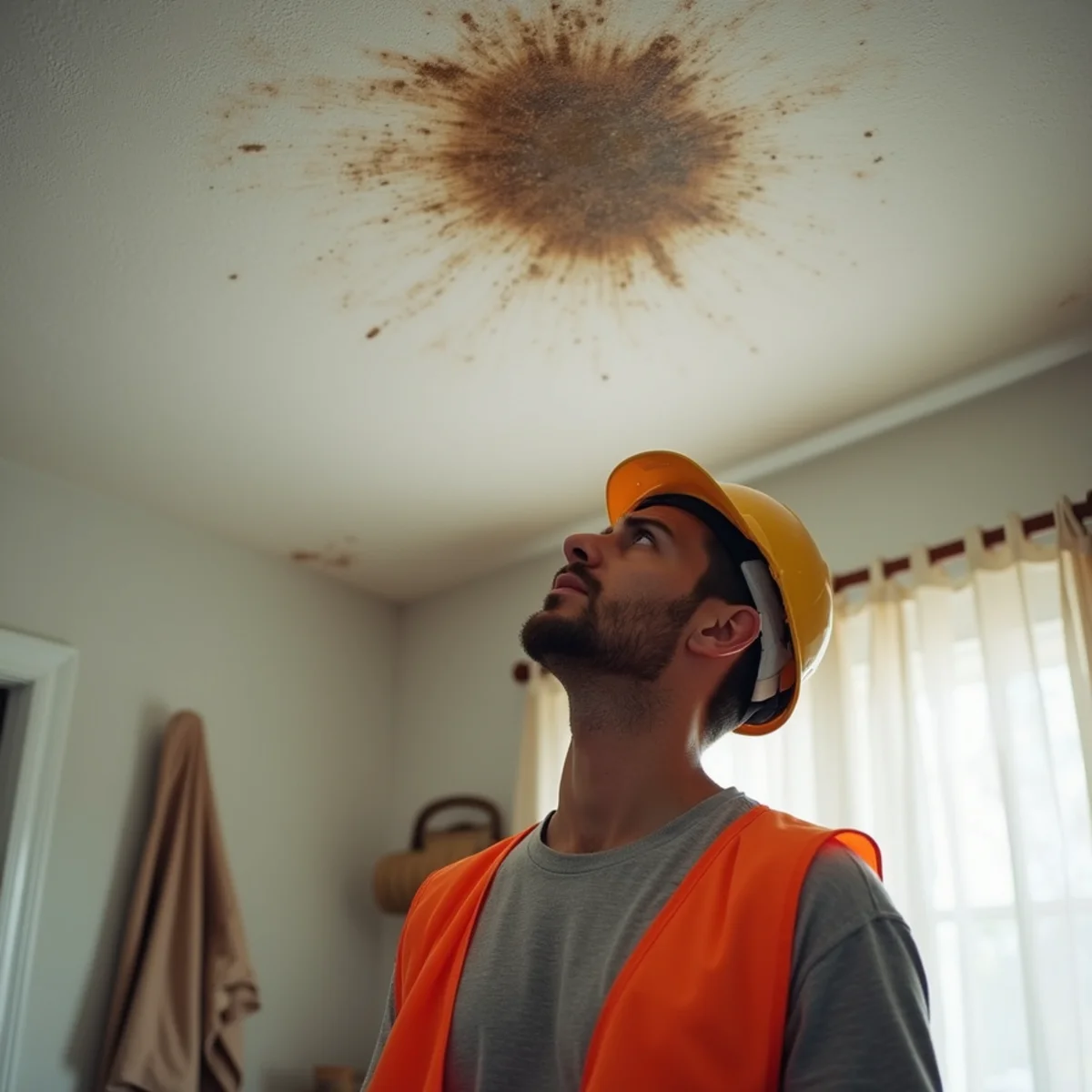
Most flat roof failures are not sudden. They build up quietly over months, then show up as a stained ceiling tile over the sales floor or a drip onto inventory during the first big storm. Regular checks catch the small problems while they are still small. This guide walks through what actually goes wrong on commercial flat roofing in Florida, how to keep yours watertight, and when to call a pro.
Why Florida Is Harder on Flat Roofs
The Space Coast climate works against a low-slope roof in four ways at once.
Salt air off the Indian River Lagoon speeds up corrosion on metal flashing, fasteners, and drain hardware. UV breaks down membranes and coatings faster than in cooler states, so a system that lasts 25 years up north may hit the end of its run sooner here. Summer thunderstorms drop heavy, wind-driven rain that finds any seam that has started to open. And humidity keeps the roof damp longer, which slows drying and feeds mold and rot.
Then add ponding water. When a flat roof cannot drain, water sits in low spots, bakes in the heat, and works into seams and around penetrations. A quality system holds up well down here, but only if someone is looking after it. Skipped maintenance is the reason a 20-year roof turns into a 12-year roof.
Know What You Are Working With
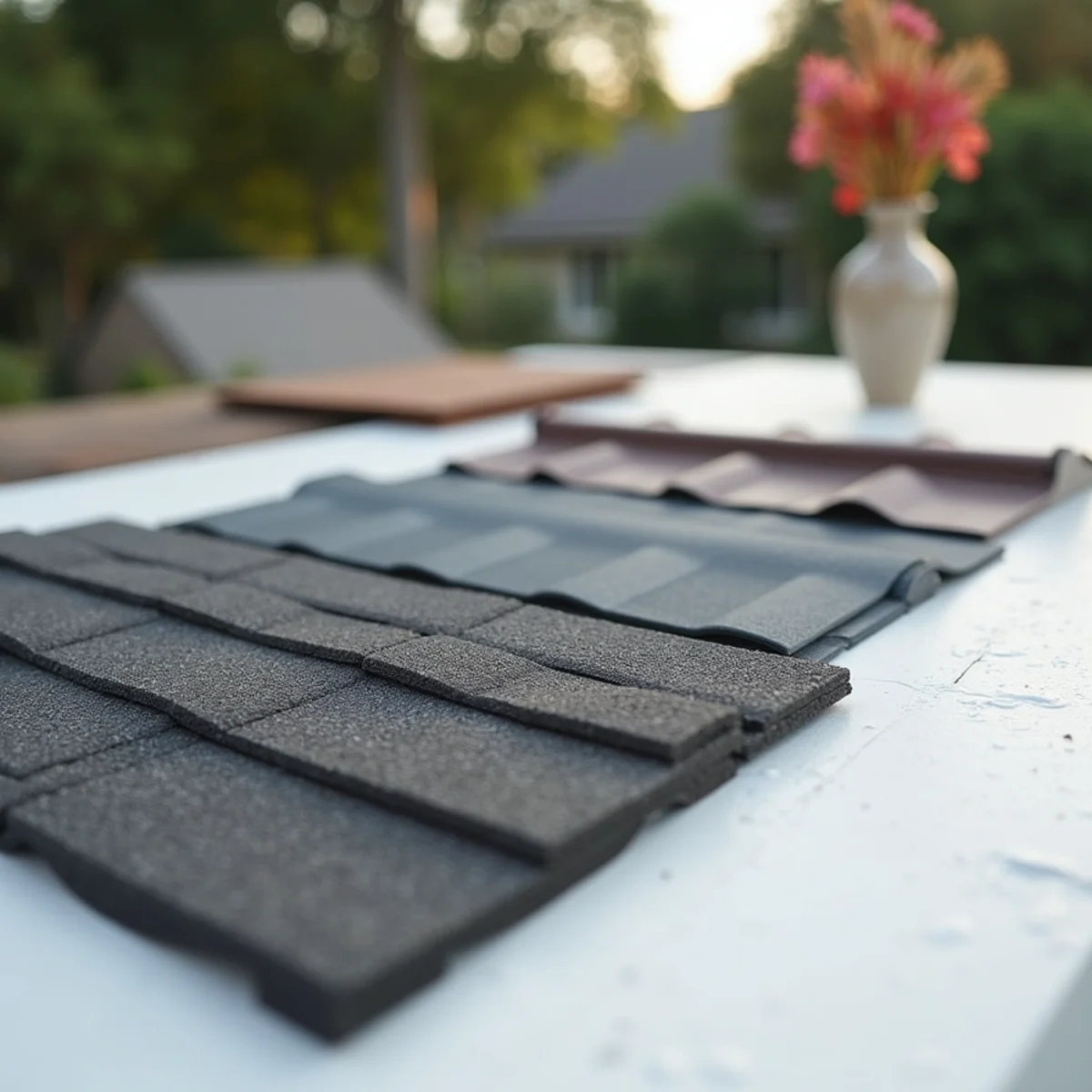
Maintenance looks a little different depending on the membrane over your building. Most commercial flat roofs in Brevard fall into one of these:
- TPO (thermoplastic polyolefin). A single-ply white membrane that reflects heat and cuts cooling costs in our long summers. Watch the heat-welded seams and the flashing at penetrations.
- Modified bitumen. An asphalt-based system in layers, tough against foot traffic. Watch for cracking, blistering, and open laps as it ages.
- Built-up roofing (BUR). The classic tar-and-gravel roof. Durable but heavy, and the gravel can hide problems. Check for bald spots and pooling.
- EPDM. A black rubber membrane, common on older buildings. Cost-effective, but the dark color runs hot in Florida and the seams need watching.
You do not need to be a roofer to spot trouble on any of these. You do need to know which surface you have so you know what normal looks like. A written roof inspection will tell you the membrane type and its condition if you are not sure.
Keep the Drainage Working
Water has to leave the roof. That sounds obvious, but clogged drainage is the number one problem we find on commercial buildings.
Clear drains, scuppers, and gutters
Leaves, pollen, roofing granules, and general grit collect in internal drains and scuppers. Once they clog, water backs up and ponds. Clear them out at least twice a year, and again after any big storm drops debris. If your building has interior roof drains, check the strainer baskets. If it has scuppers, make sure nothing blocks the opening. A round of gutter cleaning on the perimeter goes hand in hand with clearing the roof drains.
Watch for ponding
After it rains, water should be gone within a day or two. If you see standing water 48 hours later, or dark rings where water dried, that is a low spot working against you. Ponding adds weight, degrades the membrane, and voids many manufacturer warranties. Note where it happens and mention it during your next inspection so it can be addressed before it opens a seam. Sometimes the fix is as simple as adding a drain or tapered insulation at the low spot.
Inspect the Details That Fail First
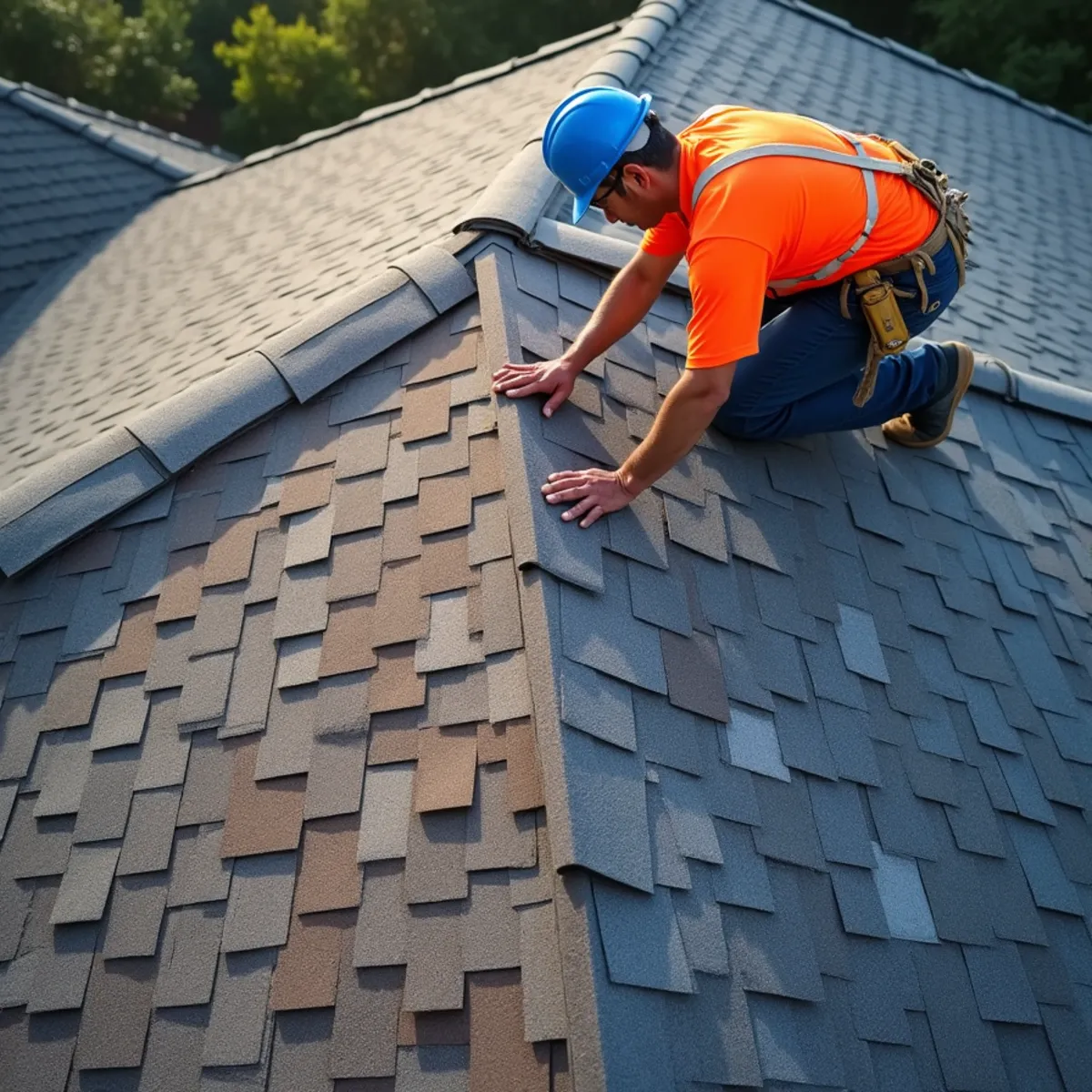
The flat field of the membrane is rarely where leaks start. Leaks start at the edges and the things that stick up through the roof. Walk the roof and look closely at:
- Flashing around parapet walls, curbs, and the roof edge
- Seals around HVAC units, vents, pipes, and conduit
- Membrane seams, especially where two sheets overlap
- Skylight and hatch curbs
- Any spot where foot traffic has scuffed or punctured the surface
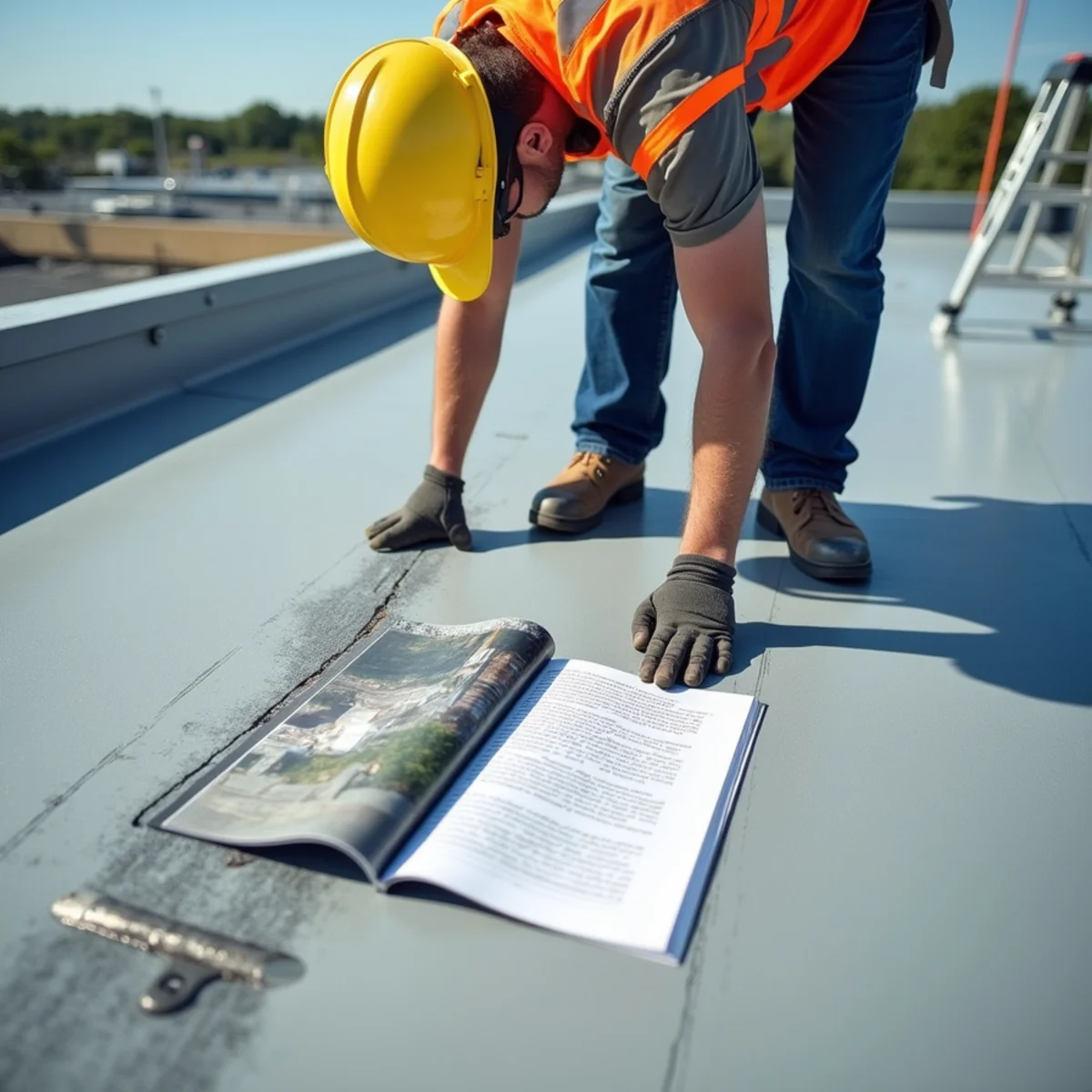
Look for lifted edges, cracked sealant, open seams, blisters, and bare fasteners backing out. Salt air corrodes fasteners and metal edge trim, so give those a close look. Catching a separated seam early usually means a simple flashing repair or roof repair instead of tearing into wet insulation later. The same flashing damage around chimneys and skylights shows up on low-slope roofs, so learn the warning signs.
Set a Real Inspection Schedule
Twice a year is the baseline for a commercial flat roof in Florida. Spring, before storm season ramps up, and fall, after it winds down. Add an extra check after any named storm or hard wind event. If you are unsure how often to schedule a roof inspection in Florida, that spring-and-fall rhythm is a solid starting point.
A written report gives you photos, notes on problem areas, and a record you can keep on file. That documentation matters if you ever need to show a roof was maintained, and it helps you budget for repairs before they become emergencies. A standing roof maintenance plan takes this off your plate so it happens on schedule instead of when someone remembers.
Keep the Roof Clean and Off-Limits to Foot Traffic
Debris holds moisture and hides problems. Clear branches, trash, and leaf piles off the surface so the membrane can dry and so you can actually see the roof. Trim back any tree limbs hanging over the building before hurricane season, since those become projectiles and drop debris that clogs drains.
Foot traffic is another quiet killer. Every HVAC tech, cable installer, or roofer walking a low-slope roof risks scuffing or puncturing the membrane, especially in the heat when it is soft. Keep access limited, use walk pads on high-traffic paths, and know who has been up there and when.
Think About a Reflective Coating
If your roof is sound but aging, a reflective coating can buy you years. On TPO, modified bitumen, or BUR, a silicone or acrylic coating adds a fresh waterproof layer, seals minor cracks, and bounces sunlight off the building. In Florida heat that means lower cooling bills and a cooler membrane that ages slower. A coating is not a fix for a failing roof or wet insulation underneath, so it only makes sense after an honest inspection says the substrate is dry and solid.
Handle Small Problems Before Storm Season
A pinhole leak in June becomes a soaked ceiling in August. Once water gets under the membrane, it travels far from the entry point and rots the decking and insulation underneath. That is when a patch job turns into a partial or full roof replacement.
If a storm has already done damage, do not wait. Fast action limits how much water gets in, and prompt storm damage repair keeps a bad day from turning into a closed business. We offer 24/7 emergency service, and we can document and photograph storm damage to support an insurance claim, though we do not file or negotiate the claim for you.
A Simple Plan Protects Your Building
Keep the drains clear. Check the flashing and penetrations twice a year. Clean off debris. Fix the small stuff early. That routine keeps commercial flat roofing in Titusville and across Brevard County doing its job through the heat and the storms.
If you are not sure where your roof stands right now, book a free inspection with Align Roofing Service. We will get up there, take a look, and give you a straight written estimate on what we find, with financing available if you need it. Call us at +1 (209) 758-8550 to schedule.
Frequently Asked Questions
How often should a commercial flat roof in Florida be inspected?
What is the number one cause of flat roof leaks on commercial buildings?
How long does a commercial flat roof last in Florida?
Is a roof coating worth it on a commercial flat roof?
What flat roof types are common on Florida commercial buildings?
Can you help with an insurance claim after storm damage?
Written by Align Roofing Service
A local roofing contractor in Titusville, FL. We help homeowners across Brevard County with honest repair-or-replace advice, free inspections, and 24/7 emergency service.
Back to all articles