Tile Roofing Benefits for Florida Homes: Is Tile Roofing in Titusville FL Right for You?
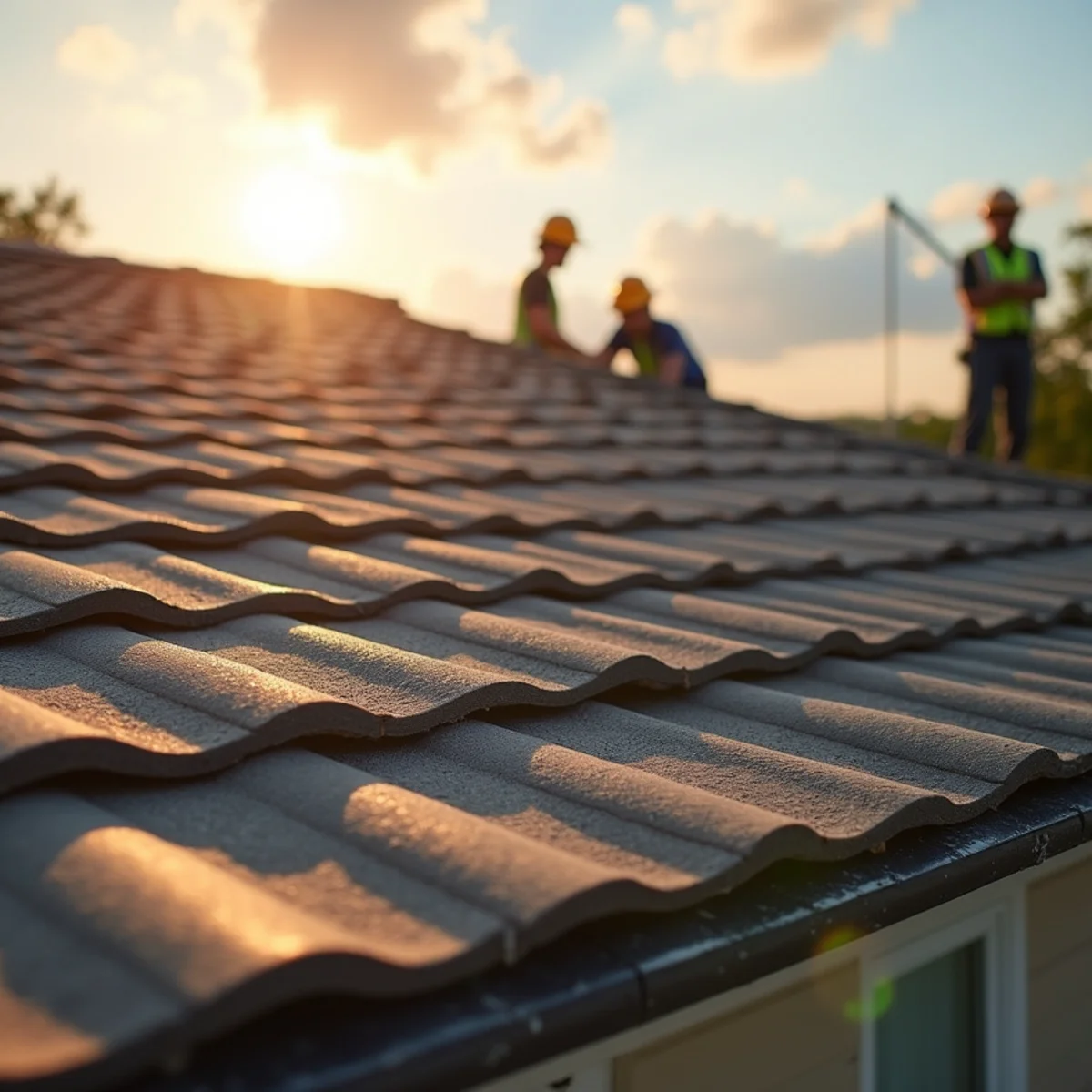
Key Takeaways
- Concrete and clay tile routinely last 40 to 100 years in Florida, far longer than asphalt shingles.
- Tile resists salt air corrosion and UV, both of which are constant on the Space Coast.
- The tile is only half the system. The underlayment underneath keeps water out and wears out sooner than the tile.
- Tile is heavy, so your roof structure must be built or reinforced to carry it before you switch to tile.
- Fastening and flashing quality decide how tile survives a hurricane, more than the tile itself.
If you are weighing a tile roof for your home in Titusville, you are looking at one of the longest-lasting roofing systems you can buy in Florida. Tile handles our sun, our salt air, and our summer storms better than almost anything else on the market. It also costs more up front and asks more of your house structurally, so it is worth understanding the whole picture before you commit.
This guide covers how tile actually performs on the Space Coast, the real difference between clay and concrete, what happens under the tile that most people never think about, and how to keep a tile roof in good shape for decades. We do free inspections and written estimates on tile roofing throughout Titusville and the rest of Brevard County, so this is the same advice we give homeowners in person.
Key Takeaways
- Concrete and clay tile routinely last 40 to 100 years in Florida, far longer than the 15 to 25 years you get from asphalt shingles.
- Tile stands up well to salt air and UV, which matters on the Space Coast where both are constant.
- The tile is only half the system. The underlayment underneath it is what actually keeps water out, and it wears out faster than the tile.
- Tile is heavy. Your roof structure has to be built or reinforced to carry it, so a professional load check comes first.
- Fastening and flashing details decide how tile holds up in a hurricane. Installation quality matters more than the tile itself.
Why Tile Works So Well in Titusville
Living on the Space Coast means your roof takes a beating from three directions at once. Intense UV bakes it most of the year. Salt-laden air rolls in off the Indian River and the Atlantic. And every summer, storms and the occasional hurricane test whether it stays put. Tile answers all three better than most materials.
Clay and concrete do not corrode. Salt air chews through metal fasteners and degrades cheaper materials over time, but the tile body itself is essentially inert. That is a real advantage in a coastal town like ours, where homes just a few miles from the water still get steady salt exposure.
Tile also shrugs off UV. Asphalt shingles lose their protective granules and dry out under our sun. A concrete or clay tile does not have granules to lose, so it holds its look and its strength for decades. Color can fade over many years, especially on some concrete tiles, but the structural performance stays intact.
Then there is the heat. Tiles sit on raised battens or lugs, which leaves an air gap between the tile and the roof deck. That gap breaks the path heat takes into your attic. In a place where the AC runs hard from March through October, that thermal break can take real load off your cooling bill. It is not magic, and it works best paired with good attic ventilation, but the effect is genuine.
Clay vs. Concrete Tile
Both are excellent in Florida. The choice comes down to budget, look, and weight.
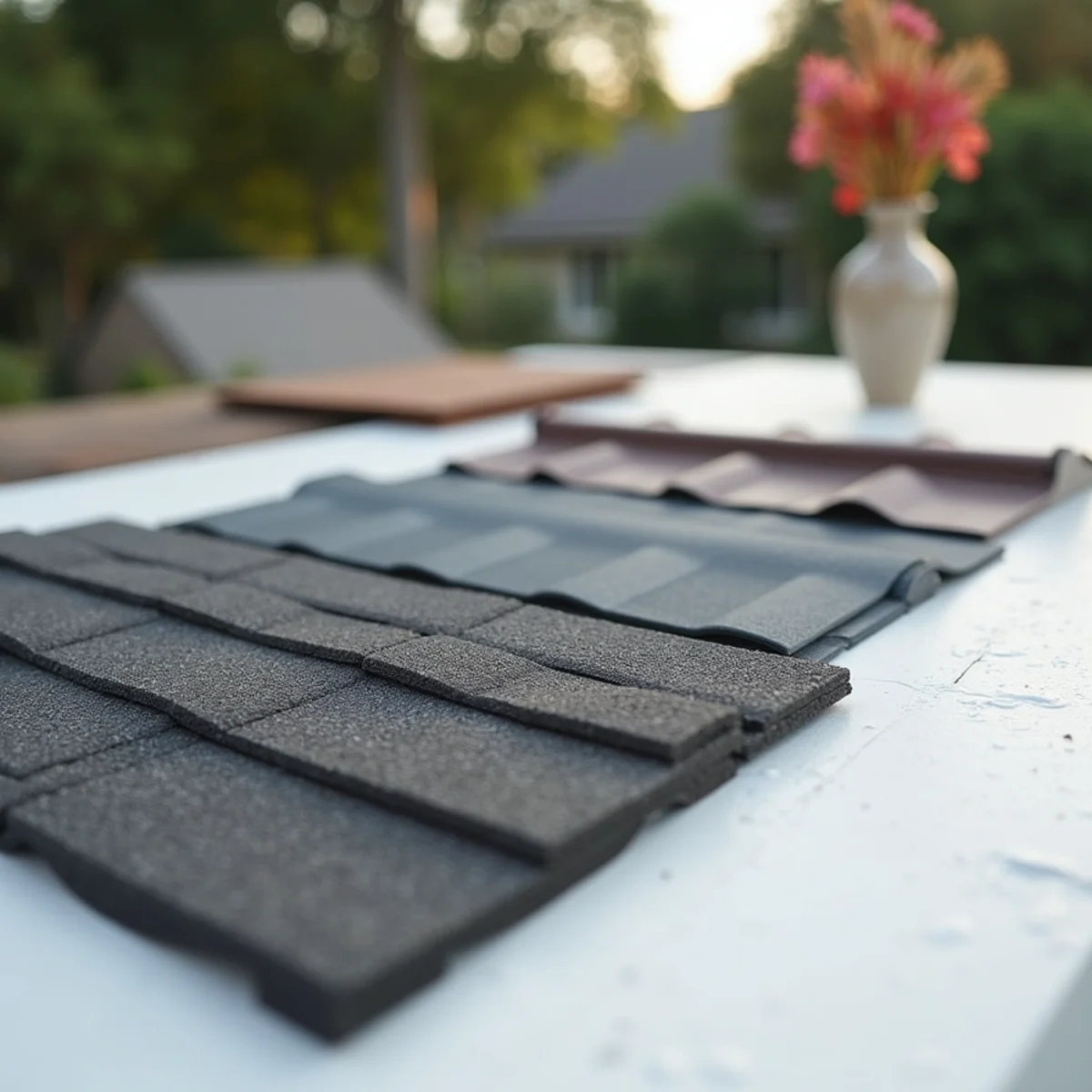
Clay tile is the classic barrel-style Mediterranean look you see on a lot of older Florida homes. It holds color better than concrete because the color runs through the whole tile rather than sitting on the surface. Clay is very durable and tends to last the longest, often well past 50 years. It usually costs more, and quality clay can be brittle if walked on carelessly during service work.
Concrete tile costs less and comes in more profiles and colors, including flat and low-profile styles that suit newer Titusville subdivisions. It is a touch heavier than clay in many cases and can absorb a little more water, which is why the underlayment and drainage details matter. Modern concrete tile is strong and holds up very well here. Over a long life the surface color can soften, though the tile keeps performing.
For most Brevard homeowners, concrete gives you most of tile's benefits at a friendlier price. Clay is the pick when you want that specific traditional look and plan to stay in the home a very long time.
The Part Nobody Talks About: Underlayment
Here is the thing most articles skip. The tile is not your waterproof layer. The underlayment beneath it is.
Tile sheds the bulk of the water and takes the sun, the wind, and the impact. But driven rain and wind can push water under and around tiles, and what stops that water from reaching your deck and your ceiling is the underlayment. On the Space Coast, with wind-driven rain a regular event, that layer is doing serious work.
And underlayment does not last as long as the tile. A tile itself might go 50 years, but the underlayment under it typically has a shorter service life depending on the product used. This is why you sometimes see a tile roof that looks fine from the street but is leaking. The tile held up. The layer under it gave out.
That reality shapes two decisions. First, invest in a quality underlayment rated for high heat and coastal conditions when you install. Second, when a tile roof reaches a certain age, plan for a re-underlayment where the tiles are lifted, the old membrane is replaced, and the sound tiles are reset. A good roofer can salvage a large share of the original tile, which keeps that project far cheaper than a full tear-off. If you are seeing leaks under an older tile roof, that is worth a roof leak inspection before you assume the whole thing needs replacing.
Weight and Your Roof Structure
Tile is heavy, and this is not a small detail. A tile roof can weigh several times what an asphalt shingle roof weighs per square. Your home's trusses and decking have to be built to carry that load, or reinforced to handle it.
Homes originally designed for tile are already set up for it. But if you are switching from shingles to tile, the structure has to be evaluated first. Skipping that step is how people end up with sagging or, in a worst case, real structural problems. Any honest roofer will start a shingle-to-tile conversion with a structural check, and in some cases an engineer's sign-off, before quoting the tile itself. We fold that assessment into our free roof inspection so you know where you stand before spending a dollar on materials.
How Tile Holds Up in a Hurricane
Properly installed tile is one of the strongest residential roofing options in Florida's wind zones. But "properly installed" is carrying all the weight in that sentence.
Modern tile roofs in Florida are engineered to meet strict wind requirements, and the fastening method is what makes the difference. Tiles can be mechanically fastened with screws, foam-set with adhesive, or a combination, all designed to keep them locked down in high wind. When a tile roof fails in a storm, it is almost never because the tile was weak. It is because the fastening, the edge details, or the flashing were not done to spec.
The vulnerable points are the edges, the ridges, the valleys, and anywhere the roof meets a wall or a penetration. Good flashing and proper edge treatment are where a tile roof earns its wind rating. This is also why a wind-mitigation inspection can be worth doing on a tile roof, since documented tie-downs and fastening can lower what you pay for insurance.
After a big storm, tile roofs sometimes lose a few individual tiles even when the system holds. Those get replaced without touching the rest of the roof, which is one more advantage of tile. If a storm does hit you, we handle storm damage roof repair and document the damage thoroughly so you have what you need to support an insurance claim.
Maintenance: What a Tile Roof Actually Needs
Tile is low-maintenance, not no-maintenance. A little attention keeps it going for the long haul.
Watch the valleys and gutters. Titusville has plenty of oaks and other trees, and leaves collect in roof valleys and clog gutters. Standing debris traps water where you least want it. Keeping gutters clear with routine gutter cleaning protects the roof edge and your fascia.
Deal with algae and moss. Our humidity feeds dark streaking and moss growth on the shaded, north-facing slopes. It is mostly cosmetic early on, but moss holding moisture against tile is not something to ignore long-term. It should be cleaned gently, never blasted with a high-pressure washer that can crack tile or drive water under it.
Have someone check it, not walk all over it. Tile can crack under careless foot traffic, so tile is not a DIY-inspection roof. Have a roofer who knows tile check the fasteners, the flashing, the ridge, and any slipped or cracked tiles every couple of years and after any major storm. Catching one cracked tile or a bit of failed flashing early is a small fix. Ignoring it until it leaks into your ceiling is not.
Replace tiles as needed. Individual cracked or slipped tiles get swapped out one at a time. Because tile fails in isolated spots rather than all at once, targeted roof repair keeps the whole system healthy for years.
Is Tile Right for Your Titusville Home?
Tile is a strong choice if you plan to stay in your home a long time, want a roof that outlasts you, and like the look. The higher up-front cost gets spread across decades of service, and you likely never replace it once during your ownership. It suits our climate about as well as any material can.
It is less obvious if you are on a tight budget, plan to sell soon, or have a home whose structure is not built for the weight and would need reinforcement. In those cases metal roofing or a quality architectural asphalt shingle roof might make more sense. There is no single right answer, only the right answer for your house and your plans.
The honest way to decide is to have someone look at your specific roof, your structure, and your goals, then lay out the real numbers for each option. That is what a proper inspection is for.
Talk to a Local Tile Roofer
Align Roofing Service is based right here at 688 S Park Ave in Titusville, and we work on tile, metal, shingle, and flat roofs across Brevard. We offer free inspections and written estimates, financing on larger projects, and 24/7 emergency service if a storm catches you off guard. Call us at (209) 758-8550 to book a free tile roof inspection, and we will give you a straight answer about what your home needs.
Frequently Asked Questions
How long does a tile roof last in Florida?
Is clay or concrete tile better for a Titusville home?
Can I put a tile roof on a house that currently has shingles?
Do tile roofs hold up in hurricanes?
How much maintenance does a tile roof need?
Does a tile roof lower my energy bills?
Written by Align Roofing Service
A local roofing contractor in Titusville, FL. We help homeowners across Brevard County with honest repair-or-replace advice, free inspections, and 24/7 emergency service.
Back to all articles